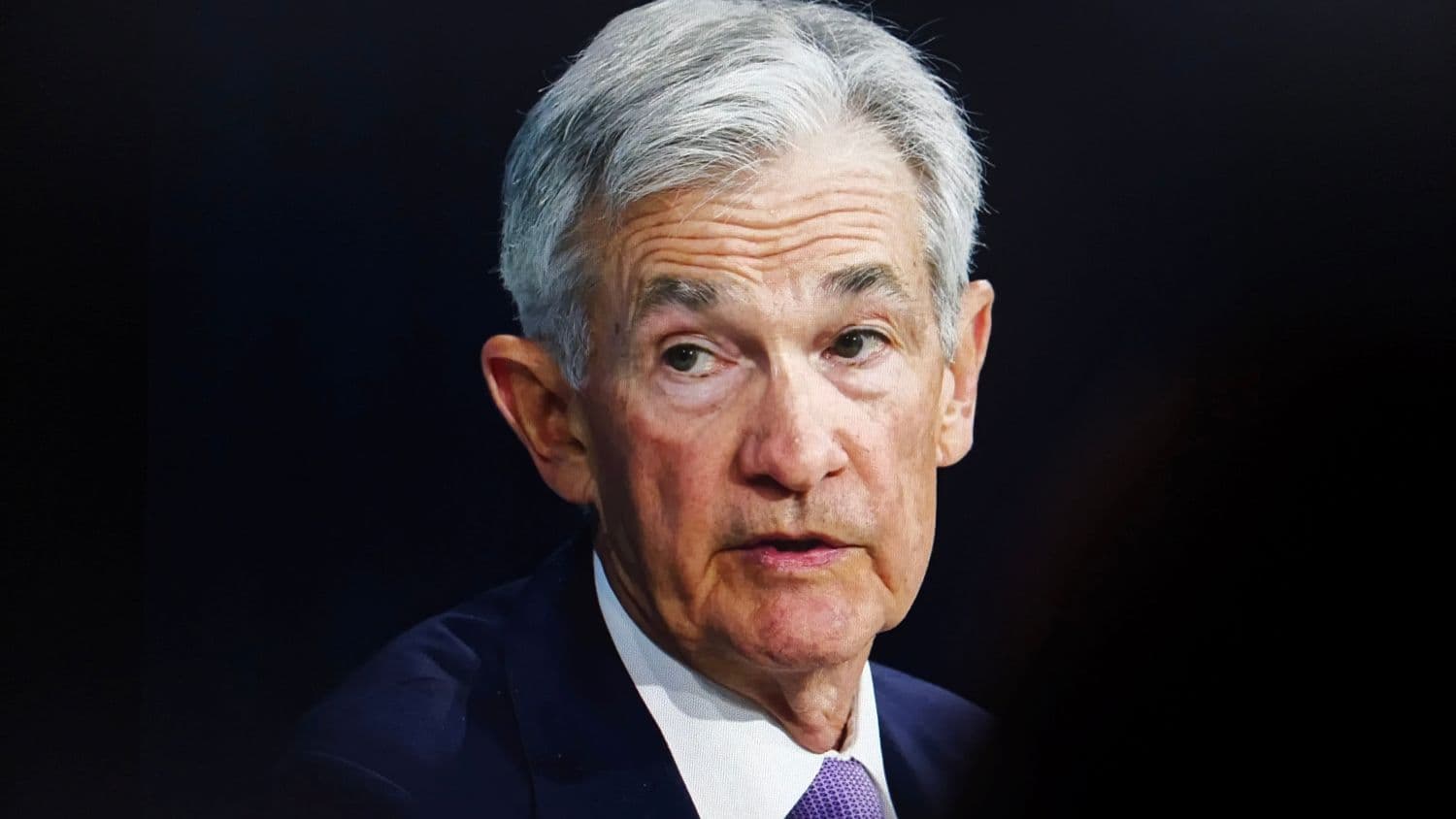
A public confrontation between the White House and the Federal Reserve has revived long-standing concerns among economists and investors about the risks of political influence over U.S. monetary policy, a debate rooted in historical episodes that reshaped the Fed’s modern independence.
The issue resurfaced this week after Federal Reserve Chair Jerome Powell said the Justice Department’s threat of criminal charges against him should be viewed in the broader context of pressure aimed at forcing interest-rate cuts.
Powell said the legal action, formally linked to a renovation project at the Fed’s headquarters, was a pretext for influencing monetary policy decisions.
While Powell did not cite historical precedents, economists and policy historians note that the episode echoes a period in the early 1970s when political pressure on the central bank contributed to lasting economic damage and a loss of policy credibility.
A Test Of Central Bank Independence
In a statement, Powell said the dispute was not about congressional oversight or construction spending, but about whether the Federal Reserve can continue setting interest rates based on economic conditions rather than political demands.
“This is about whether the Fed will be able to continue to set interest rates based on evidence and economic conditions,” Powell said, adding that intimidation would undermine the institution’s mandate of price stability and maximum employment.
The Federal Reserve was designed to operate independently of the executive branch, with governors serving fixed terms to insulate monetary policy from electoral cycles.
That independence has long been viewed by markets as a key pillar supporting confidence in the U.S. dollar and Treasury market.
Following Powell’s remarks, the U.S. dollar weakened and gold prices rose, reflecting investor sensitivity to any perception that monetary policy could become politically directed.
Lessons From The 1970s
The historical concern stems from events during the presidency of Richard Nixon, when the White House exerted sustained pressure on then-Fed Chair Arthur Burns to maintain accommodative monetary policy.
Declassified White House tape recordings and archival material show Nixon repeatedly urging Burns to prioritize growth and employment ahead of the 1972 election.
Also Read: X Moves To Own Financial News And Trading As Smart Cashtags Cement Its Grip On Market Sentiment
Burns, a prominent economist and longtime Nixon adviser, faced significant political constraints despite formal Fed independence.
While multiple factors drove inflation during the decade, including oil price shocks and fiscal expansion, academic research by Federal Reserve banks and economic historians has consistently identified political pressure as a contributor to the Fed’s delayed response to rising inflation.
By 1974, U.S. inflation exceeded 12%, eroding household purchasing power and destabilizing financial markets.
The loss of credibility forced policymakers later in the decade to adopt far more aggressive measures.
Under Fed Chair Paul Volcker, interest rates were raised to nearly 20% in the early 1980s, triggering a deep recession but ultimately restoring confidence in U.S. monetary policy.
The episode is now widely cited in Federal Reserve research as a defining lesson in why central bank independence matters, not because political pressure guarantees inflation, but because it weakens the institution’s ability to respond decisively when inflation risks emerge.
Why Markets Are Paying Attention Now
Economists say the current dispute is being watched closely because it coincides with elevated U.S. debt levels, persistent inflation above pre-pandemic norms, and increased reliance on Treasury issuance to finance fiscal deficits.
In such an environment, confidence in monetary governance plays an outsized role in anchoring inflation expectations and foreign demand for U.S. debt.
If investors begin to believe that interest-rate decisions could be shaped by political pressure, analysts warn that long-term borrowing costs could rise even if short-term rates fall, reflecting a credibility premium rather than economic fundamentals.
The White House has sought to downplay those concerns.
Economic adviser Kevin Hassett said he was not involved in the Justice Department’s actions and framed the matter as oversight of federal spending.
Powell rejected that characterization, calling the renovation issue a pretext and emphasizing that he would continue carrying out his duties without political fear or favor.
Read Next: Why Bitcoin Refuses To Break Despite Massive ETF Outflows: The Hidden Strength Behind $90K Floor