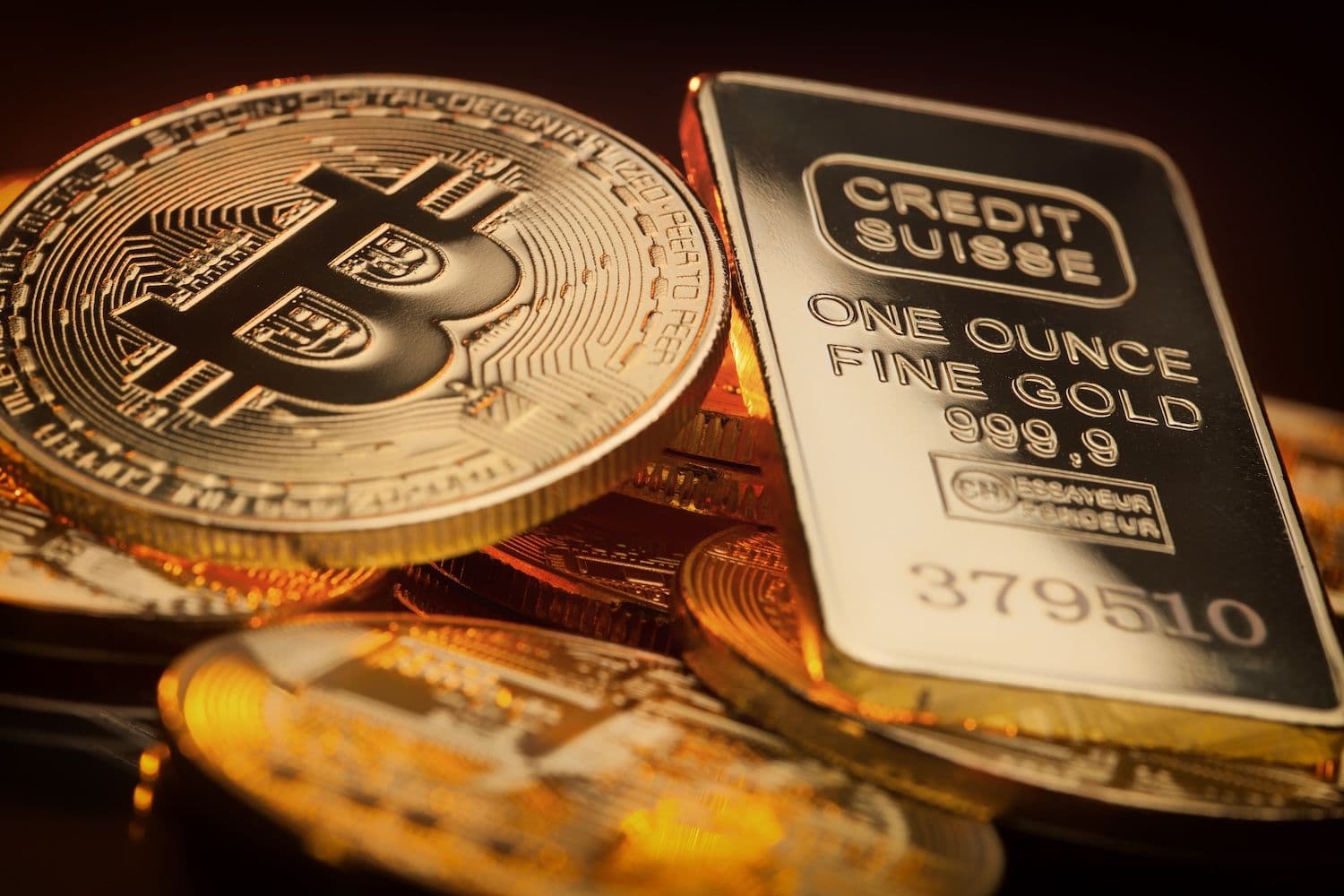
Ripple Chief Technology Officer David Schwartz entered the ongoing debate about whether Bitcoin can be replicated, arguing that copying the code doesn't replicate the network. His comments followed a heated exchange between Binance founder Changpeng Zhao and Bitcoin critic Peter Schiff at Binance Blockchain Week.
What Happened: CTO Challenges Replication
Schiff told the conference that gold-backed tokens carry physical utility because they represent ownership of a scarce commodity used across industries. Bitcoin derives its value from faith and has no practical use, he said.
Zhao countered that physical gold is difficult to divide or verify without specialized tools. He said he once received a gold bar as a gift but couldn't break it or confirm its purity. Bitcoin can be transferred and verified instantly through the blockchain, he said.
Schiff responded that Bitcoin remains worthless to him because you can't do anything with it, while gold carries industrial demand.
Zhao pushed back, saying Bitcoin's utility comes from its transparent network, fixed supply and verifiable ownership. Unlike gold, whose total global reserves remain uncertain, Bitcoin offers perfect clarity about supply and movement, he said.
Schwartz recently joined the discussion with a question that challenged the premise entirely. He asked how the new Bitcoin could be new and exactly the same as the original.
"And how would the existence of replicas of Bitcoin affect Bitcoin?" he said.
His point echoed Zhao's argument about verifiability. A replica may copy Bitcoin's code, but it cannot copy the network of users, miners, institutions and real-time validation that give Bitcoin its identity.
Also Read: Notcoin Surges 36% Before Triggering Heaviest Selloff in Six Months
Why It Matters: Network Effect
The debate highlights a fundamental misunderstanding about what gives Bitcoin value. The code is open source and can be copied by anyone. But the network effect cannot be replicated.
Schwartz's argument suggests that the existence of another chain doesn't dilute Bitcoin's legitimacy.
This mirrors how counterfeit gold doesn't reduce the value of real gold when proper verification exists. It reinforces Zhao's point that Bitcoin can be easily verified in multiple ways, unlike gold.
Read Next: Bitcoin Cash Climbs 40% to Lead All Layer-1 Blockchains in 2025