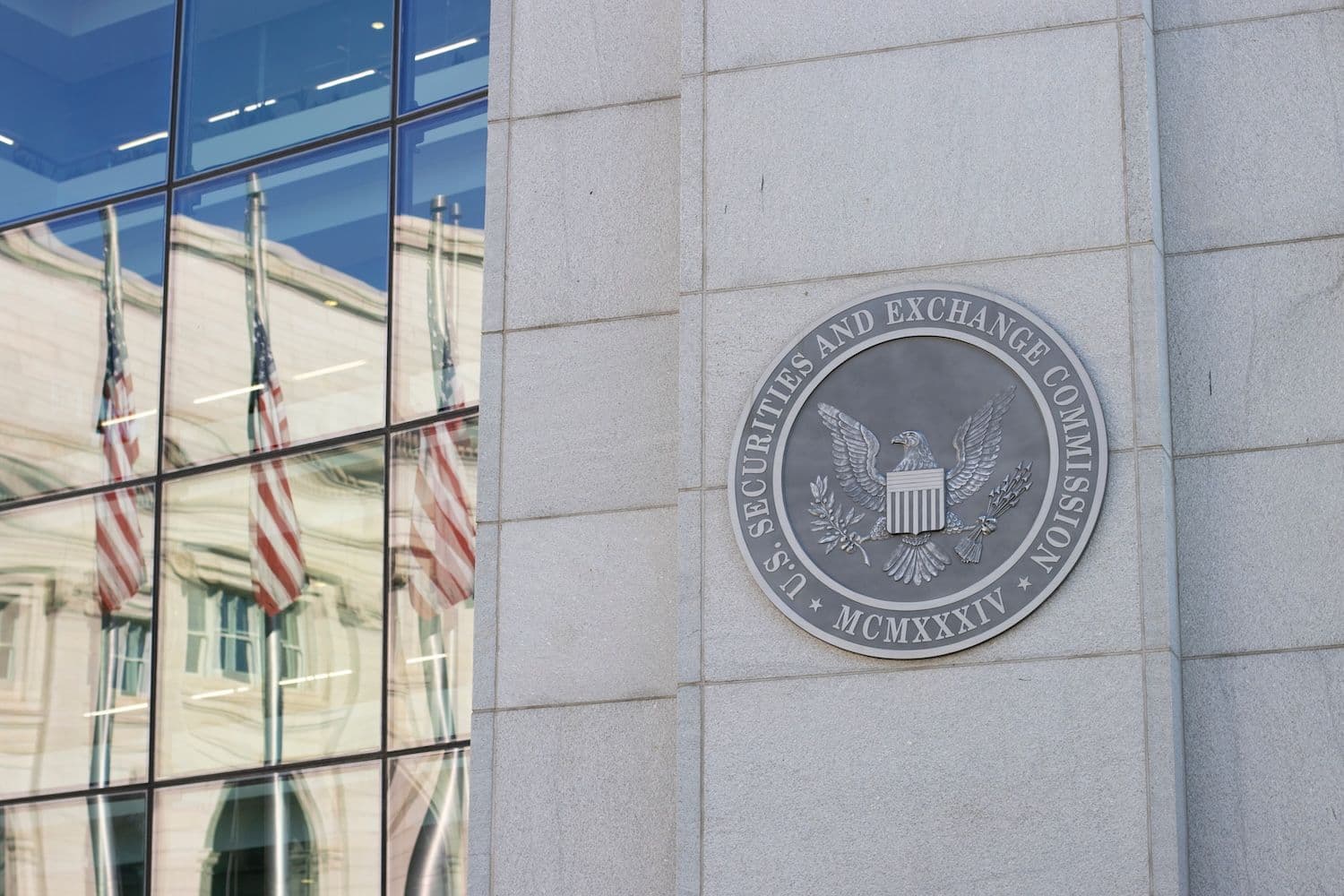
The U.S. Securities and Exchange Commission is advancing controversial regulatory relief for cryptocurrency firms despite warnings from major stock exchanges that the move could undermine investor protections and distort market competition. The policy shift marks the clearest break yet from the enforcement-first approach that defined the previous administration's crypto oversight.
SEC Chair Paul Atkins told CNBC on Dec. 2 that the agency remains committed to releasing an innovation exemption within weeks, despite delays from the recent government shutdown. The framework would allow crypto companies to launch certain on-chain products under formal SEC supervision without meeting full securities registration requirements - a regulatory sandbox approach that traditional exchanges argue creates an unfair competitive advantage.
The timing puts regulators on a collision course with Wall Street incumbents while aligning with a broader institutional embrace of digital assets as major banks recommend portfolio allocations for the first time.
What Happened
Atkins confirmed the SEC is "on track" to roll out the exemption in January, noting that the government shutdown "impeded" progress but that the agency continues providing technical assistance to Congress on pending digital-asset legislation.
The innovation exemption would function as temporary relief from older securities rules, allowing eligible firms to test blockchain-based products under lighter oversight while the SEC develops tailored crypto regulations. The initiative represents a central component of Project Crypto, Atkins' broader effort to modernize securities frameworks for digital assets and reverse what he characterized as years of regulatory repression under former Chair Gary Gensler.
The policy faces direct opposition from the World Federation of Exchanges, whose members include Nasdaq, Cboe and CME Group. In a Nov. 21 letter to the SEC's Crypto Task Force, the WFE warned that exemptions could "dilute" existing investor protections and create regulatory shortcuts unavailable to traditional markets.
The federation specifically targeted tokenized stocks - blockchain-based representations of traditional equities that enable fractional ownership and 24/7 trading. WFE CEO Nandini Sukumar argued such products are "marketed as stock tokens or the equivalent to stocks when they are not," potentially exposing investors to fraud risks without the safeguards of established exchanges.
Meanwhile, Wall Street's largest institutions are normalizing crypto as a standard portfolio component. Bank of America told wealth clients that digital assets "belong in every portfolio," recommending allocations between 1% and 4% depending on risk tolerance. Starting Jan. 5, the bank's investment strategists will provide research coverage on four Bitcoin ETFs through its Merrill and Private Bank platforms.
Also read: Sony Bank Plans Dollar Stablecoin for PlayStation and Anime Payments by 2026
Morgan Stanley delivered similar guidance in an early October note, with its global investment committee advising clients that 2% to 4% of portfolios could be allocated to crypto, characterizing it as a "speculative but increasingly popular asset class."
Even Vanguard, which previously blocked Bitcoin products entirely, reversed course this week. Bloomberg reported Dec. 1 that the asset manager will begin allowing selected crypto ETFs and mutual funds on its platform, opening access for more than 50 million brokerage customers managing over $11 trillion.
Why It Matters
The convergence of regulatory relief and institutional adoption signals crypto's transition from speculative fringe to mainstream portfolio allocation. Major financial institutions now treat digital assets as strategic diversifiers rather than prohibited investments, creating infrastructure for sustained capital flows regardless of short-term price volatility.
However, the exchange federation's opposition highlights unresolved tensions about market structure and investor protection. Traditional venues argue they operate under strict oversight requirements - including clearinghouse guarantees, transparent reporting and standardized settlement - that crypto platforms might circumvent through exemptions.
The dispute reflects competing visions for integrating blockchain technology with existing financial infrastructure. Atkins argues the United States must "embrace this new area of innovation" rather than pushing development offshore through excessive regulation. Stock exchanges counter that innovation should occur within established frameworks rather than through regulatory carve-outs that could compromise decades of investor protections.
The outcome will determine whether tokenized assets and decentralized finance protocols can operate alongside traditional markets, or whether they remain separate ecosystems with different rules and risk profiles. With portfolio managers at firms overseeing trillions in client assets now recommending modest crypto exposure, the regulatory framework taking shape over the next several months will influence how institutional capital enters digital asset markets for years to come.
Read next: Monad Founder Defends Blockchain After Arthur Hayes Predicts 99% Token Crash