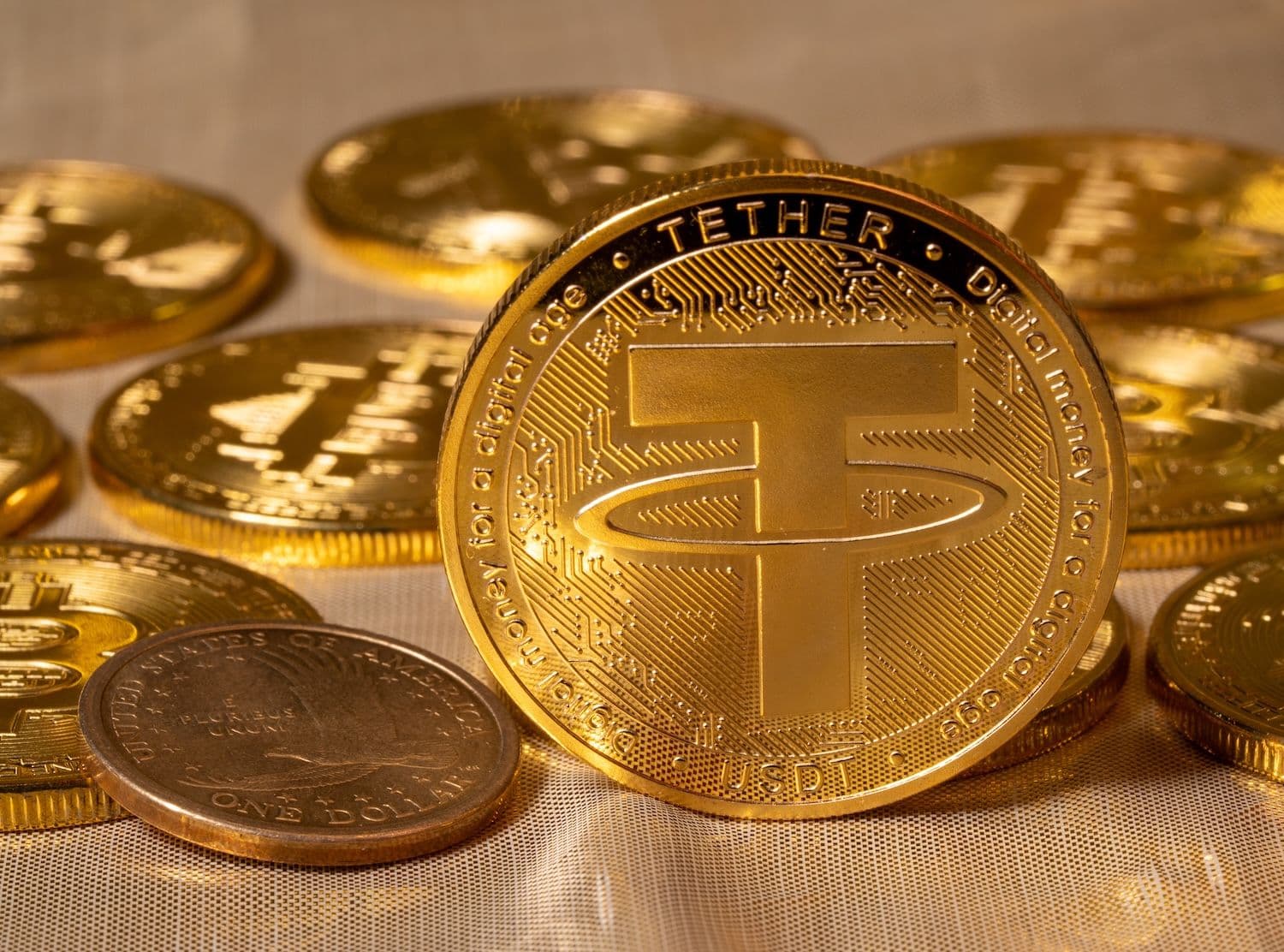
Tether won't pursue European authorization for USDT (USDT).
The company says MiCA's requirement to hold as much as 60% of reserves in EU banks carries too much risk.
So USDT is exiting the EU for good. That leaves the door open for its main rival — Circle's USDC.
Key Points:
- Tether never applied for the e-money authorization MiCA requires, pushing USDT off regulated EU exchanges after the Jul. 1 deadline.
- CEO Paolo Ardoino calls the rule that would lock most reserves in European banks a systemic threat.
- Revolut became the latest platform to drop the token, giving European users until Aug. 31 to move out.
USDT Locked Out Of Europe
The company never filed for the e-money license MiCA requires, exchanges confirmed. That left its token off regulated order books the moment the transition period closed on Jul. 1. Holders can still keep or move USDT in private wallets, yet licensed venues can no longer list it for European clients.
The framework routes every fiat-backed coin through an EU-authorized issuer that holds audited reserves and reports to a national regulator.
Circle cleared that bar early, and its USDC (USDC) and euro-pegged EURC (EURC) kept their listings while USDT lost them, records noted.
Also Read: Hermes MoA 2.0 Combines GPT, Claude, And DeepSeek To Outscore Any Single Model
Ardoino Warns Of Systemic Risk
Paolo Ardoino, Tether's chief executive, has branded a MiCA license dangerous for a dollar token of this scale. He argued that walking away protected the firm's more than 400 million users, most of them far outside Europe. His deeper worry is the reserve mandate at the center of the rulebook.
Forcing a large issuer to park most of its backing in European bank deposits, he warned, could strain both the coin and smaller lenders if redemptions suddenly surge. Tether instead holds its reserves largely in U.S. Treasuries, a structure the bloc's rules would not accept.
Analysts frame the departure as painful yet survivable.
One cautioned that Europe was never USDT's biggest market, and the coin, worth more than $180 billion, still anchors trading across Asia and much of the developing world. Even so, only about 210 firms across the bloc had secured full authorization by the deadline.
Revolut Joins The EU Exodus
The newest platform to bow out was Revolut, which will strip USDT from eligible accounts by Aug. 31 and let customers buy the token only until Jul. 6, the fintech detailed.
The retreat has been building for well over a year. Coinbase cut the token in December 2024, Crypto.com followed that January, and Binance restricted its European pairs by March 2025, records reported. Kraken later ended support outright, leaving Jul. 1 as the point of no return for the world's largest stablecoin.
Read Next: Vitalik Buterin Wants To Rebuild Ethereum Before Quantum Computers Break It