
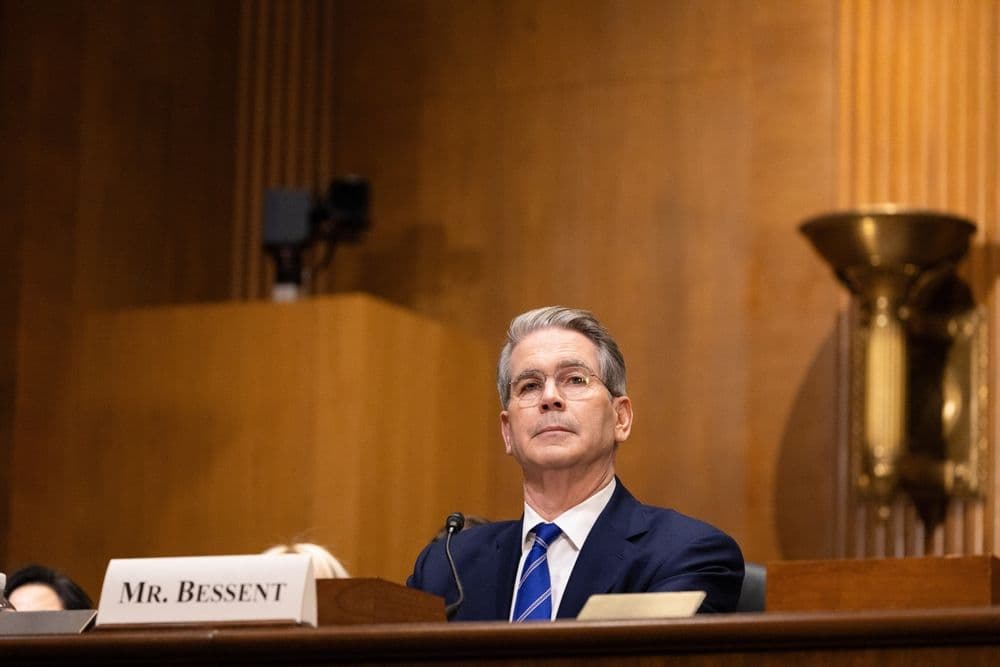
Treasury Secretary Scott Bessent confirmed on January 20 that the U.S. government will add all seized Bitcoin to its digital asset reserve, marking a fundamental policy shift from the historical practice of auctioning confiscated cryptocurrency.
"The policy of this government is to add seized Bitcoin to our digital asset reserve," Bessent stated, reaffirming the administration's commitment to building reserves through law enforcement seizures rather than open-market purchases.
The confirmation comes after the Strategic Bitcoin Reserve announced in Trump's March 2025 executive order remains unimplemented due to legal hurdles, despite the government holding approximately 198,000 Bitcoin worth $17-20 billion.
What Happened
Bessent's statement represents a reversal of decades-long U.S. practice where seized Bitcoin from criminal forfeitures was auctioned to the public, contributing to market supply.
The Treasury Secretary previously indicated in August 2025 that the government would halt Bitcoin sales and use confiscated assets to build the reserve without taxpayer expense.
However, White House crypto advisor Patrick Witt revealed on January 13 that "obscure legal provisions" continue blocking formal implementation of the reserve nearly 10 months after Trump's executive order.
The Department of Justice and Office of Legal Counsel are working to resolve regulatory ambiguities preventing agencies from transferring seized Bitcoin to Treasury custody.
Read also: Japan Bond Yields Hit Multi-Decade Highs, Threatening Global Crypto Liquidity
Why It Matters
The policy shift treats Bitcoin as a strategic reserve asset comparable to gold or petroleum, rather than contraband to be liquidated for dollars.
Retaining seized Bitcoin effectively removes supply from circulation, potentially providing price support as law enforcement continues seizing cryptocurrency from criminal enterprises and sanctions violations.
Nearly half the government's current Bitcoin holdings originated from the 2022 Bitfinex hack recovery, with additional seizures from ransomware operations, darknet markets, and fraud cases.
The reserve's $17-20 billion valuation positions the U.S. as one of the world's largest sovereign Bitcoin holders, though formal custody mechanisms remain legally contested.
States including Texas, New Hampshire, and Arizona have advanced their own Bitcoin reserve legislation while federal implementation stalls, with Texas purchasing $5 million in Bitcoin ETFs as a "placeholder" in November 2025.
Read next: Russian Lawmakers Propose Harsh Mining Penalties: Individuals Face $1,500 Fines, Companies $100K+
