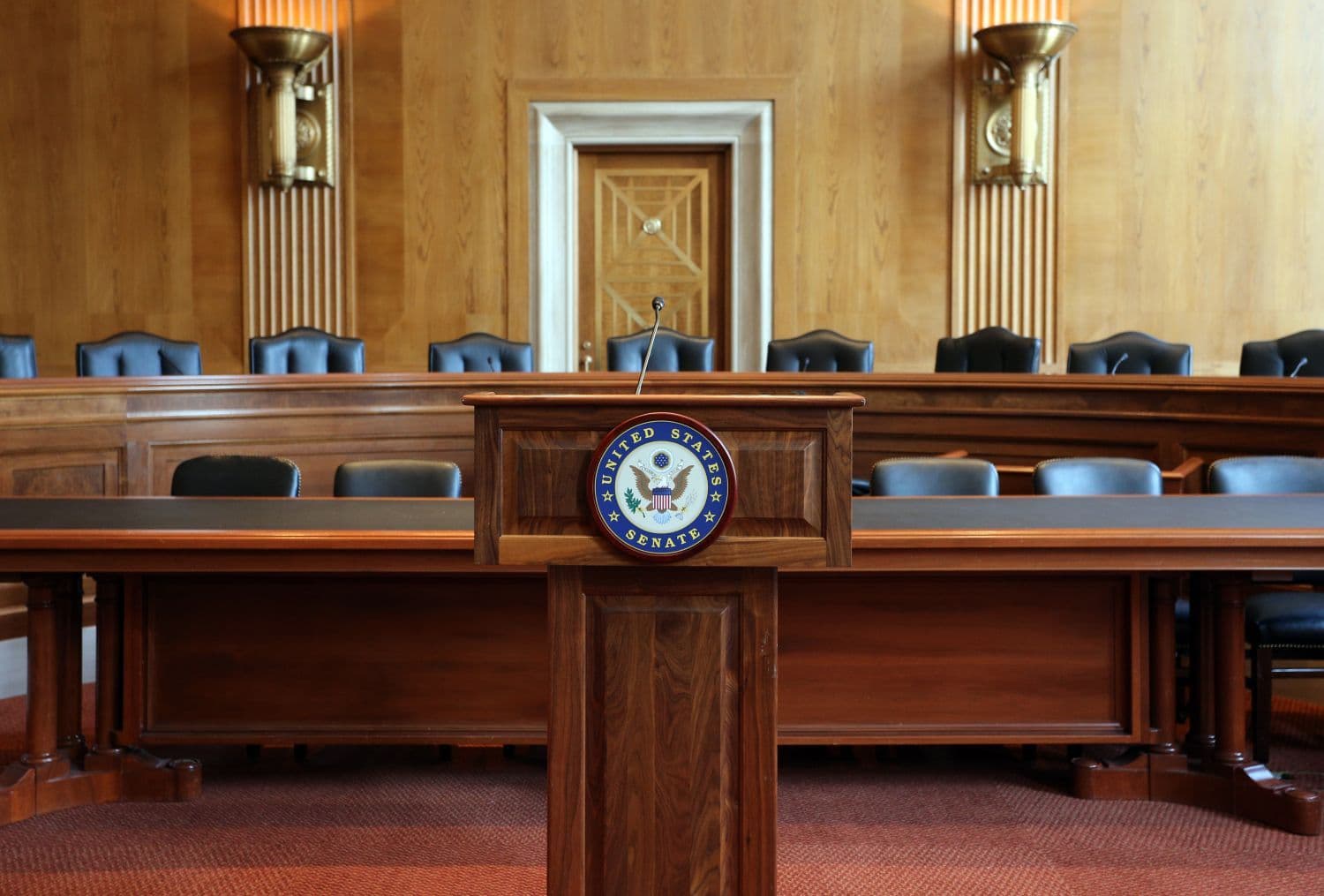
The U.S. Senate Banking Committee has postponed any markup of the long-anticipated crypto market structure bill until next year, delaying momentum on legislation meant to clarify how federal regulators oversee digital asset markets.
What Happened
A committee spokesperson said Monday that Chairman Tim Scott and Democratic negotiators have made “strong progress,” but talks remain ongoing, according to Bloomberg.
The setback was widely expected, but it still frustrates crypto industry advocates who hoped for at least a preliminary markup before the end of the year.
With Congress returning in January to confront a government funding deadline on January 30, lawmakers will have limited bandwidth to revisit crypto oversight before the looming 2026 midterm cycle further constrains the legislative calendar.
According to the committee, Scott has insisted the bill must be bipartisan, and negotiations will continue with the aim of holding a markup in early 2026.
The legislation seeks to formally divide oversight responsibilities between the Securities and Exchange Commission and the Commodity Futures Trading Commission, granting the CFTC clearer authority over spot crypto markets while outlining when digital assets may fall under securities rules.
The Banking Committee, which oversees the SEC, has produced several versions of the proposal, while the Senate Agriculture Committee, which supervises the CFTC, has issued one discussion draft and will need its own markup before the bill can advance.
Democratic lawmakers have raised concerns around financial stability, market risks, and ethical issues, the latter heightened by President Donald Trump’s and his family’s increasing involvement in crypto businesses, which have reportedly generated significant profits.
Why It Matters
Even without new legislation, both regulators have begun adjusting their posture toward the industry.
The SEC has issued staff bulletins and hosted public roundtables, including one earlier Monday, exploring how securities rules should apply to different crypto activities.
The CFTC, meanwhile, has taken steps to widen institutional access to spot crypto trading and recently granted no-action relief to certain prediction market platforms.
The delay pushes comprehensive crypto regulation further into the future, leaving the industry operating under patchwork guidance as negotiations continue into 2026.
Read Next: Crypto’s Next Breakthrough Is The Death of Chains, Says Glider CEO