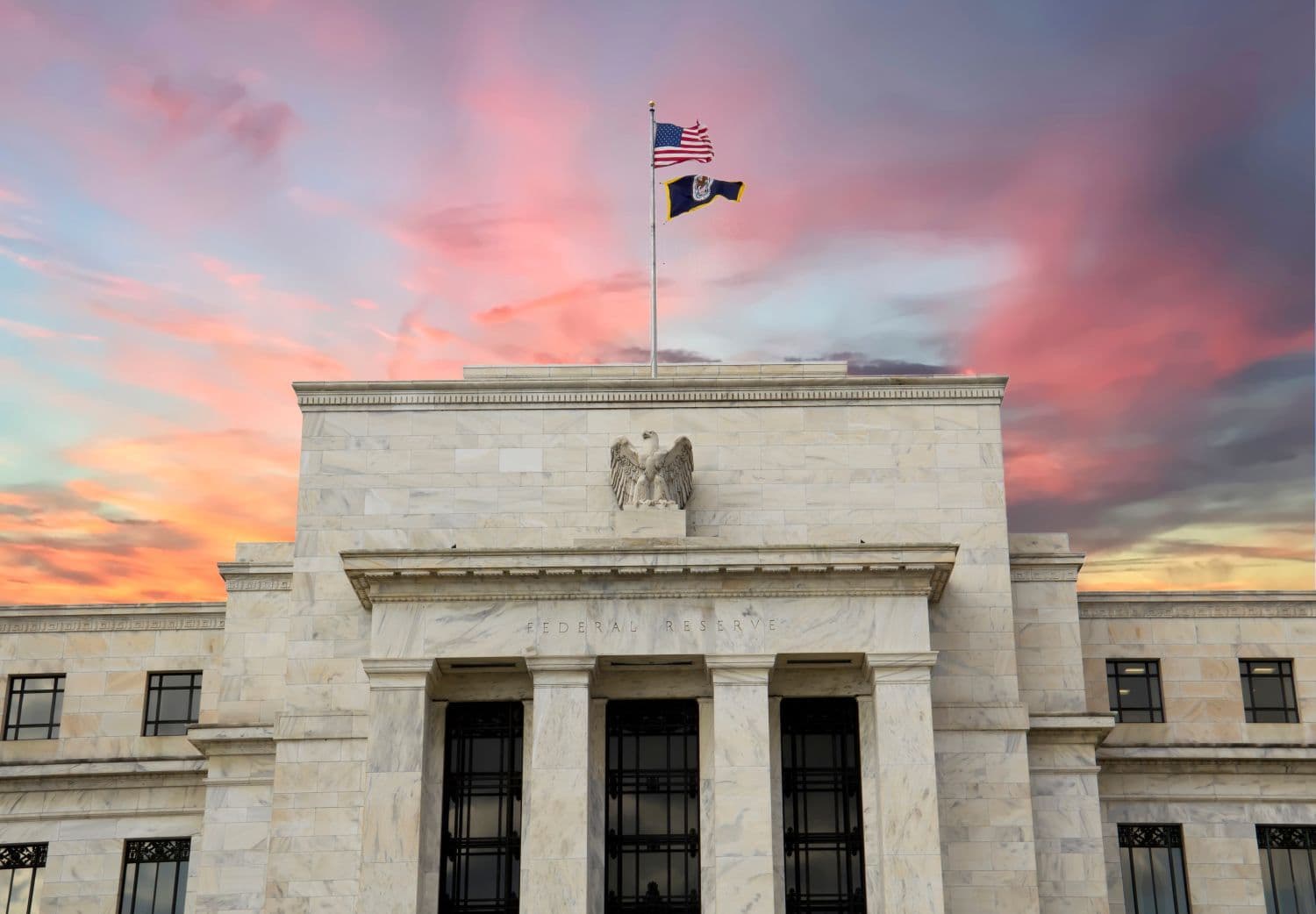
The Federal Reserve held its benchmark interest rate at 3.5%–3.75% Wednesday for the second straight meeting, citing elevated inflation and geopolitical uncertainty from the ongoing Middle East conflict as reasons to keep policy on hold.
The vote was 11-1, with Governor Stephen Miran casting the lone dissent in favor of a 25-basis-point cut - his fifth consecutive dissent since joining the board in September 2025.
The decision came after three consecutive quarter-point cuts in September, October and December 2025.
Markets had widely anticipated the hold, with futures contracts pricing in at most one cut in 2026, likely not before June.
What the Statement Said
The FOMC statement described the economy as "expanding at a solid pace" but acknowledged that "job gains have remained low" and "inflation remains somewhat elevated."
The committee added explicit language on the war: "The implications of developments in the Middle East for the U.S. economy are uncertain."
That wording reflects concern that rising oil prices tied to the conflict could delay the return of inflation to the 2% target.
The Dissent and What It Means
Miran's preference for a cut reflects persistent internal disagreement over labor market risks.
Governor Christopher Waller, who joined Miran in dissenting at January's meeting, returned to the majority this time.
The updated dot plot showed seven of 19 FOMC participants now project no rate cuts in 2026, one more than in December, reflecting the inflation uncertainty created by higher energy prices.
Read also: Ethereum Vs. Solana: Why The Speed Debate Misses The Real Question
Crypto and Rate Context
Fed rate decisions carry direct implications for digital asset markets.
Bitcoin (BTC) has gained roughly 15% since the Iran conflict began Feb. 28, partly on the thesis that higher-for-longer rates reduce the relative appeal of traditional risk assets and increase demand for non-sovereign stores of value.
The same rate environment, however, also raises the opportunity cost of holding non-yielding assets like Bitcoin, a tension that analysts have noted throughout the current macro cycle.
Chair Jerome Powell's term expires May 15. President Trump has nominated Kevin Warsh as his successor, pending Senate confirmation.
Read next: FTX Sends $2.2B To Creditors March 31 - Here's Who Gets Paid First