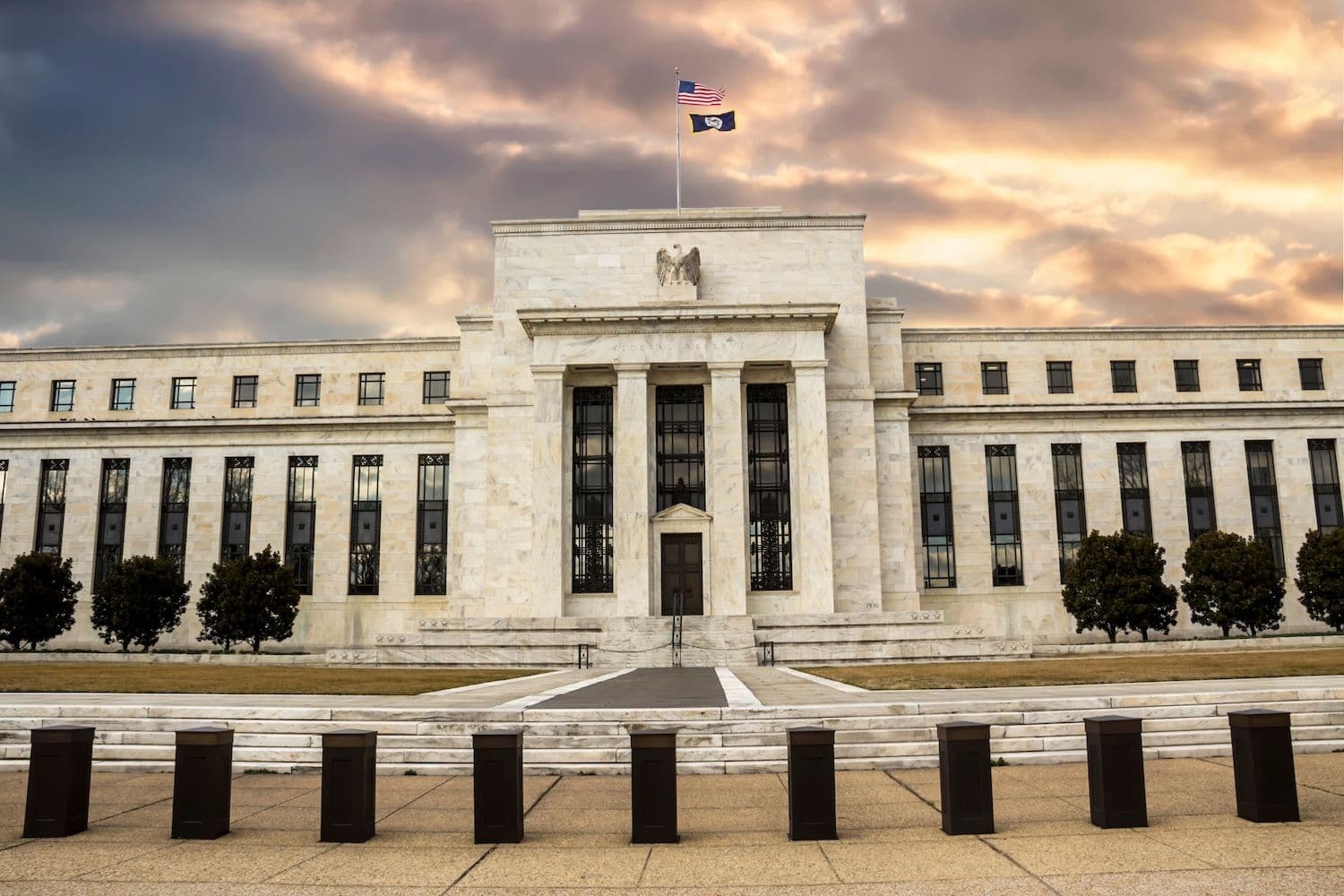
The Federal Reserve pumped $40.32 billion into the U.S. banking system throughout December through overnight repurchase agreements, with a single $16 billion injection on Dec. 30 marking the second-largest liquidity operation since the COVID-19 crisis. The sustained intervention has raised questions about stress in short-term funding markets and potential implications for Bitcoin as global liquidity reaches record levels.
What Happened: Year-End Repo Operations
The Dec. 30 operation ranked just behind pandemic-era emergency measures in size, according to Barchart. Financial commentator Andrew Lokenauth said such a large injection suggests institutions now require cash to cover obligations tied to commodities and collateral mismatches.
The Fed's overnight repo facility enables eligible counterparties to exchange Treasuries for cash at a fixed rate.
Bluekurtic Market Insights described the activity as ongoing "liquidity support," noting that demand remained elevated throughout December.
Also Read: Nearly $3 Billion Stolen From Cryptocurrency Platforms In 200 Security Breaches During 2025
Why It Matters: Global Liquidity
The Federal Open Market Committee's latest meeting minutes revealed that the Fed's reserve management program could involve purchasing up to $220 billion in Treasury securities over the next 12 months to ensure ample reserves in the banking system. Policymakers emphasized these purchases are intended strictly for rate control and liquidity management, not as a signal of monetary easing.
Data shared by Alpha Extract indicates global liquidity has risen by approximately $490 billion, supported by improving collateral conditions, fiscal flows resembling stealth quantitative easing and coordinated accommodation across major economies.
Most participants judged that further rate cuts would only be appropriate if inflation continued to decline as expected, pushing market expectations for the next rate cut to at least March 2026.
Bitcoin continues to trade in a tight range between roughly $85,000 and $90,000 with thin volumes and subdued volatility despite the liquidity expansion.
Read Next: Grayscale Files SEC Registration For First TAO Exchange-Traded Product In The United States