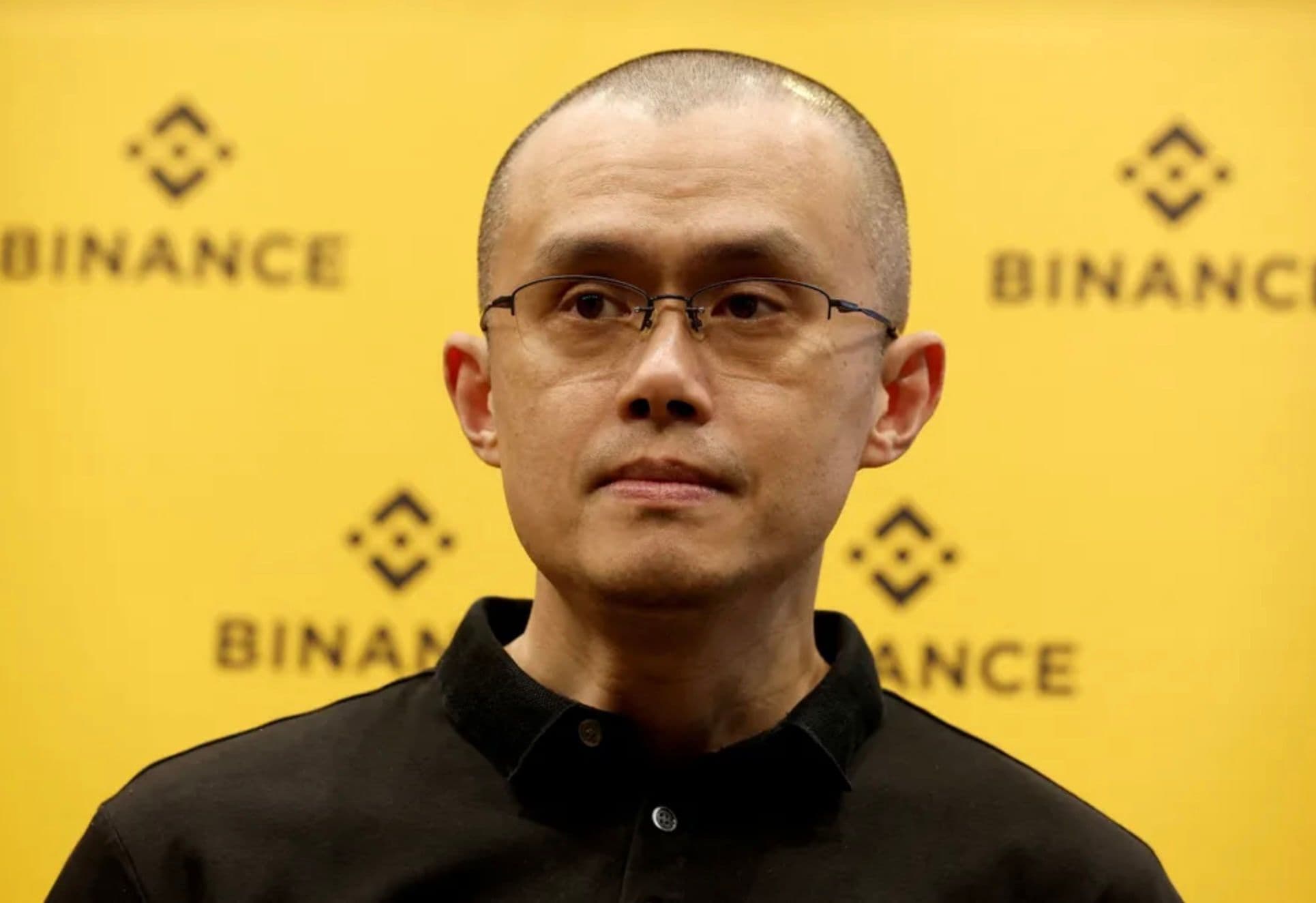
Changpeng "CZ" Zhao, speaking remotely at the DC Blockchain Summit on Tuesday, used his most prominent public appearance since his December 2024 presidential pardon to address terrorism financing allegations against him and Binance, citing two recent U.S. federal court dismissals and arguing the accusations have no factual or economic logic.
The appearance came the same week Binance filed a defamation lawsuit against The Wall Street Journal over Iran-linked transaction reporting.
CZ, now a resident of the United Arab Emirates - a country that has itself faced Iranian missile attacks in the current conflict - said he has "zero interest" in any Iran-connected activity.
He argued that centralized exchanges have no financial incentive to service sanctioned actors: such users generate no trading fees and pose severe regulatory and reputational risk.
Two Court Dismissals in Two Weeks
On March 6, U.S. District Judge Jeannette Vargas dismissed a lawsuit in the Southern District of New York brought by 535 plaintiffs representing victims of 64 terrorist attacks between 2016 and 2024, finding the complaint failed to plausibly connect Binance's operations to any specific attack.
Six days later, a federal court in Alabama dismissed a second Anti-Terrorism Act case, with the judge describing the filing as a "shotgun pleading" that failed to meet basic pleading standards.
Both dismissals came while a third separate lawsuit - Raanan v. Binance, brought by families of October 7 victims - survived a motion to dismiss in February 2025 and remains active.
Binance has also faced a Congressional inquiry from Senator Richard Blumenthal over alleged Iran-linked transfers totaling more than $1 billion.
Read also: SEC Lets Nasdaq Trade Stocks As Digital Tokens
U.S. Market Competition
On crypto policy, CZ said the current U.S. administration has moved faster than he expected in supporting the industry.
But he argued that regulatory friendliness alone will not make the U.S. the "global crypto capital." In his view, trading fees in the U.S. remain too high relative to international markets, and the deepest cryptocurrency liquidity pools are still offshore - an anomaly given that U.S. equity and FX markets typically hold the world's largest liquidity.
"Competition is the best form of consumer protection," he said, arguing the U.S. needs to allow more market participants, not just clearer rules.
CZ also said a memoir written during his prison term will be published in the coming weeks.
Read next: What Crypto Airdrops Are Worth Watching In Spring 2026?