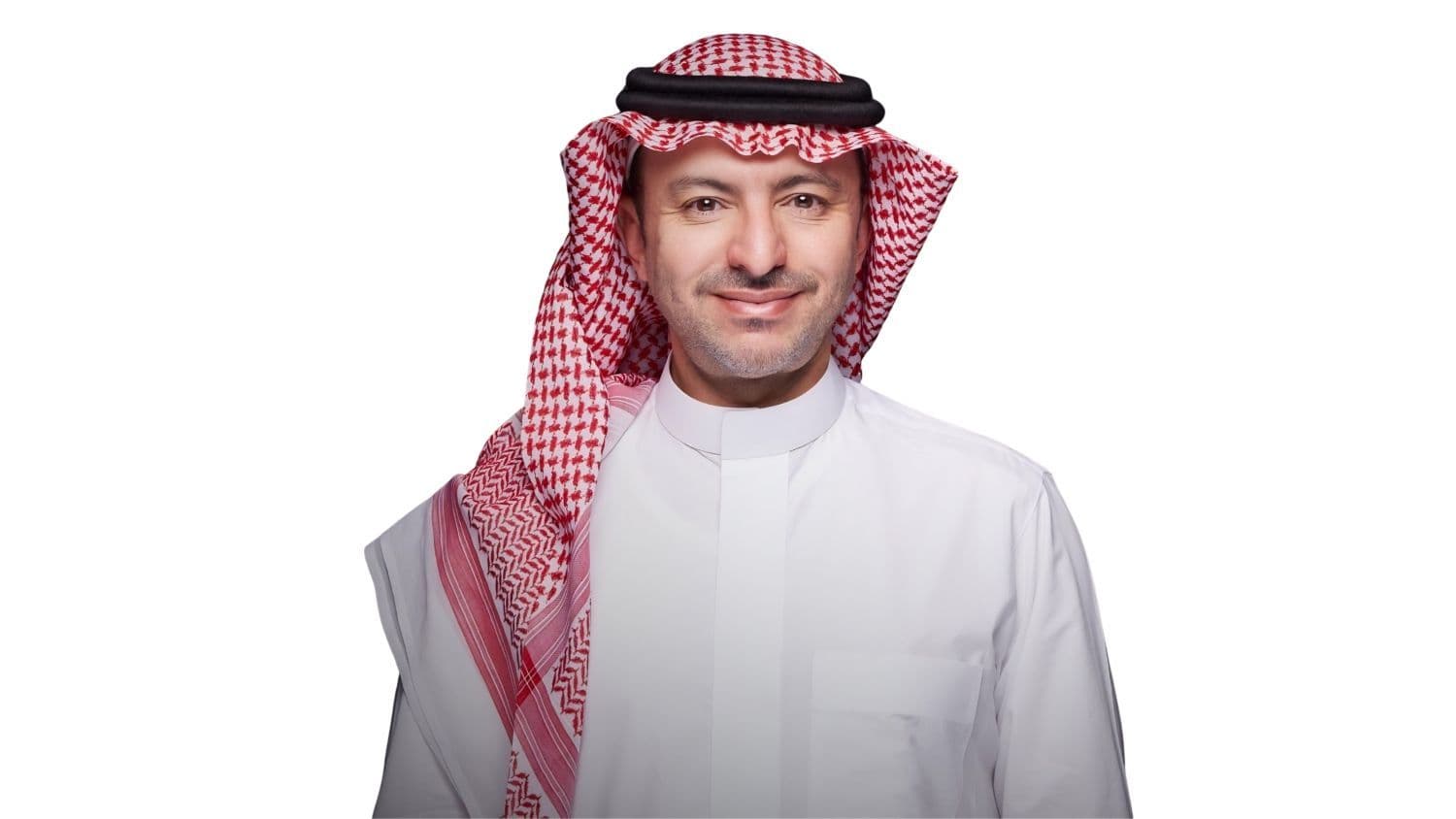
Saudi Arabia is moving aggressively to position itself at the center of tokenized finance and AI infrastructure as global financial systems race toward programmable money, according to Faisal Monai, founder of Saudi Arabia’s payments network SADAD.
In an interview with Yellow.com, Monai, who is also the chairman of droppRWA, a tokenization and capital infrastructure provider, described a future where stablecoins, tokenized assets, and AI-driven infrastructure converge into a new financial operating system that moves faster than traditional banking rails.
“Money does not move as fast as the data does,” Monai said, arguing that global payment systems remain structurally inefficient despite the internet era.
Monai said those inefficiencies helped create demand for stablecoins and blockchain-based settlement systems capable of moving value instantly across borders. He pointed to recent U.S. stablecoin legislation and expanding tokenization frameworks as signals that regulators are beginning to adapt to digital financial infrastructure rather than resist it.
Saudi Arabia Accelerates Tokenization Infrastructure
Monai said Saudi Arabia’s centralized regulatory structure has allowed the country to move significantly faster than many Western jurisdictions in deploying tokenized financial products.
He revealed that regulators helped transform a tokenization concept into a licensed and regulated service in just nine months through a phased rollout approach.
“We don’t have to wait until everything is solved,” Monai said. “We can present a good solid product today and work on the rest.”
According to Monai, Saudi Arabia has already acknowledged tokenization at the regulatory level and is now working toward broader market infrastructure including secondary markets and stablecoin integration.
He contrasted that pace with the fragmented U.S. financial system, where competing state and federal oversight often slows adoption.
At the same time, Monai stressed that Saudi Arabia’s strategy is not about bypassing Western financial systems but integrating with them.
“We are not avoiding Western banking intermediaries,” he said. “We are actually integrating with Western banking.”
He added that the company already works with U.S. and European banking institutions while expanding tokenized asset infrastructure into multiple jurisdictions.
Also Read: How Sui’s Object Model Turns Parallel Execution Into A Layer 1 Advantage
AI Compute Power Emerges As A Strategic Asset
Beyond tokenization, Monai argued that computing power itself may become one of the world’s most important future asset classes as AI demand accelerates globally.
Referencing comments from BlackRock CEO Larry Fink, Monai said the global shortage of compute infrastructure could reshape geopolitics and financial markets over the next decade.
“Today there’s a huge shortage in the computing power and as the demand for AI grows in the world, the gap will be even wider,” he said.
He argued that Saudi Arabia’s energy advantages position the kingdom to become a major global hub for AI data centers and compute infrastructure.
Unlike oil exports, Monai noted that AI infrastructure can scale globally through communications networks without requiring pipelines or physical shipping routes, creating a fundamentally different type of strategic economic leverage.
Stablecoins Become The Missing Layer
Monai described stablecoins as the missing connective layer between tokenized assets and real-world financial activity.
“The beauty of stablecoin is that it is fast, programmable and totally controlled by the regulator,” he said.
He argued that tokenization alone cannot create a functioning digital economy unless programmable settlement infrastructure also exists alongside it.
Monai further said that the next phase of financial infrastructure will depend less on isolated blockchain experiments and more on interoperable systems capable of connecting traditional institutions, tokenized assets, and cross-border liquidity pools into a unified network.
Read Next: Why DeFi Yields Are Not What Most Protocols Actually Advertise