
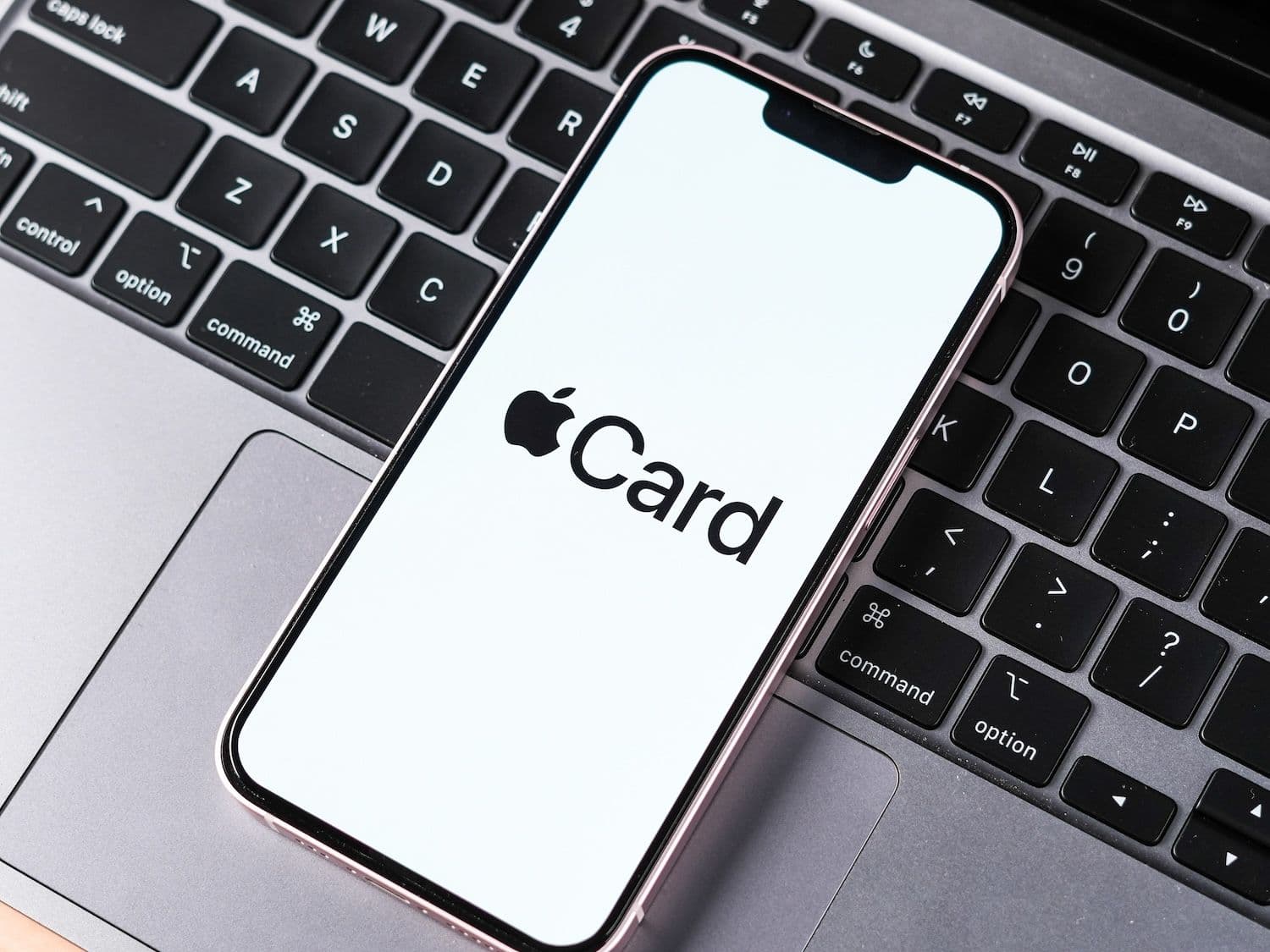
JPMorgan Chase will acquire the Apple credit card business from Goldman Sachs, ending the Wall Street firm's consumer banking experiment that began in 2019. The transaction, announced Wednesday, transfers more than $20 billion in card loans to the nation's largest credit card issuer and requires JPMorgan to book a $2.2 billion provision for credit losses in its fourth-quarter earnings.
What Happened: Apple Card Transition
JPMorgan emerged as the final contender after American Express, Synchrony and Barclays withdrew from negotiations in July, according to CNBC reporting.
The bank acquired the portfolio at a discount exceeding $1 billion, according to a person familiar with the transaction who spoke on condition of anonymity.
Customers will retain existing card benefits and the product will continue operating on Mastercard's network, JPMorgan said in a statement.
The deal will close in approximately 24 months.
Also Read: Tether Launches Scudo, Satoshi-Inspired Fractional Gold Unit Amid Record Price Rally
Why It Matters: Consumer Banking Pivot
The Apple Card portfolio contains more subprime and lower-credit borrowers than JPMorgan typically services, people with knowledge of the business told CNBC.
Apple pushed Goldman to approve as many iPhone users as possible for the card, sources said.
Goldman will report a 46-cent per share earnings boost from the transaction in next week's results, substantially completing CEO David Solomon's strategic withdrawal from consumer finance that began in 2022.
"Chase shares our commitment to innovation and delivering products and services that enhance consumers' lives," said Jennifer Bailey, Apple's payments executive, in the release.
Read Next: Can Bitcoin Break $97K With $1B In Stablecoin Reserves Available On Binance?
