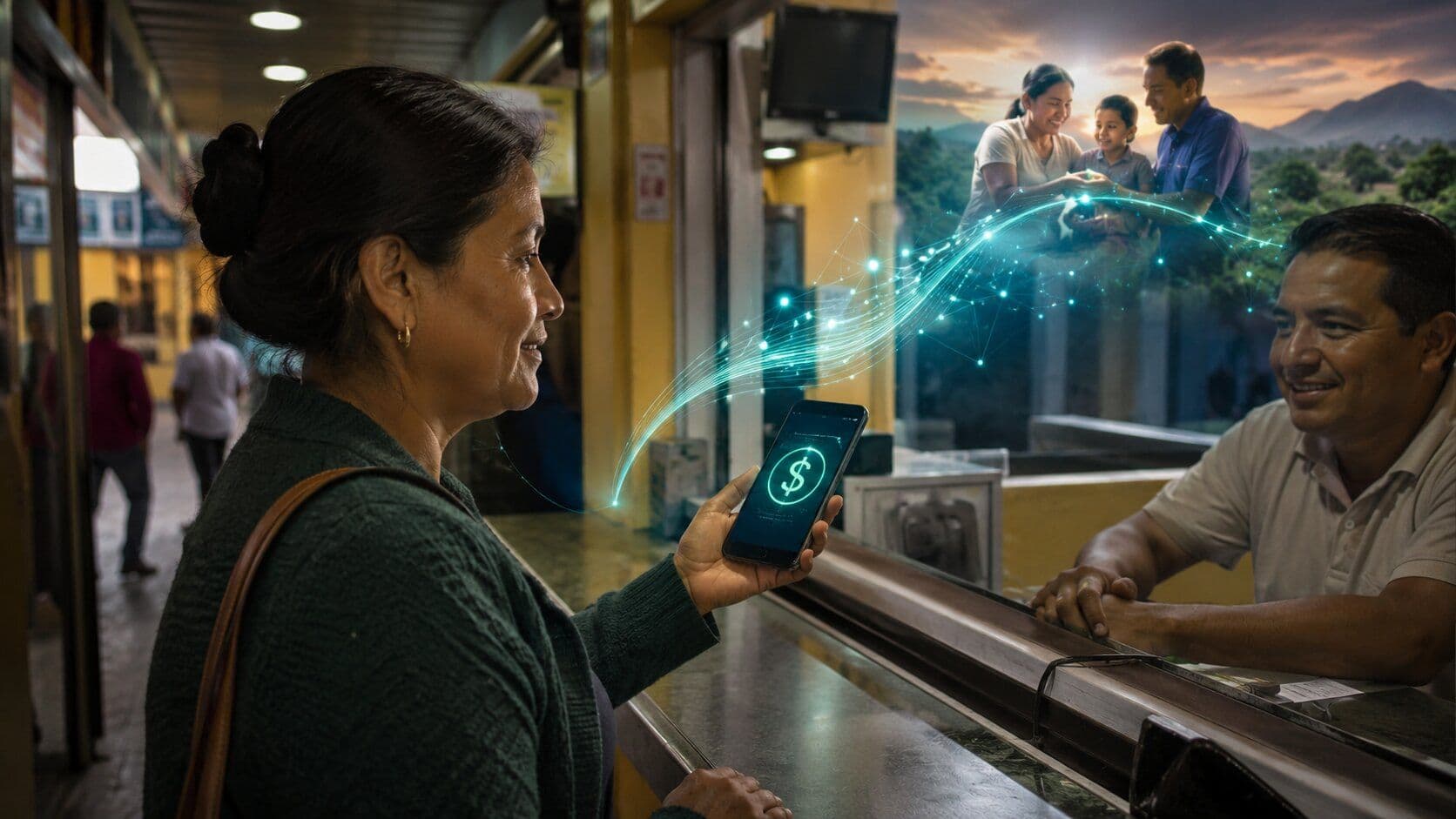
MoneyGram’s newly launched MGUSD stablecoin is designed to give underbanked consumers access to a stable dollar-denominated balance inside the payment network's app, CEO Anthony Soohoo on Thursday said, positioning the product as a consumer financial-services tool rather than another crypto trading asset.
“For many of our customers, this will be the first time they’ve actually had access to a stable dollar balance,” Soohoo told Yellow.com.
The comments mark a notable framing for MoneyGram’s stablecoin strategy. While much of the stablecoin market has been built around trading, institutional settlement and crypto-native liquidity, Soohoo said MGUSD is being developed around MoneyGram’s existing global network and customer base.
“Most stablecoins start with a token and then they try to find a market and they try to build an ecosystem around it externally,” Soohoo said. “MoneyGram is taking a different approach completely.”
MGUSD Is Designed To Stay Inside MoneyGram’s Network
Soohoo said MGUSD will serve as the foundation of the MoneyGram app balance, giving users a stable U.S. dollar-denominated balance directly inside the company’s ecosystem.
“We're not trying to move it outside our ecosystem. It's directly in our MoneyGram ecosystem,” he said.
That distinction is central to MoneyGram’s approach. Instead of launching a token and then trying to drive adoption across external platforms, the company is embedding MGUSD into a payments network already used for cross-border money movement.
MoneyGram announced earlier this week that MGUSD is live in the U.S., with plans to expand globally.
The stablecoin is issued with support from Bridge, a Stripe company, minted and burned using M0’s smart contract infrastructure, deployed on Stellar at launch and held by MoneyGram in Fireblocks wallets before being sent to customer wallets embedded in the MoneyGram app.
Soohoo said those partners were selected across issuance, infrastructure, custody and blockchain to support the customer experience.
The Target User Is Not A Crypto Trader
Soohoo said MGUSD was built for MoneyGram’s core customers, including families sending money across borders and people with limited access to traditional financial services.
Also Read: Why Solana Fell To $66 And Where The Heavy Selling Goes Next
“Most of the stable coins that's been created up this point have really been focused around trading as well as institutional use,” Soohoo said. “MGUSD was designed for consumers, our consumers, which are like family setting money across borders and people with limited access to financial services.”
The company says MGUSD will allow users to hold stable value, move money globally, convert into local currency when needed and access funds through MoneyGram’s digital and physical network.
That omnichannel model is a key part of the strategy. MoneyGram says it serves more than 60 million active customers through nearly 500,000 retail locations, while more than 70% of its transactions are now digital.
App Balance Becomes A Financial Services Layer
Soohoo said MGUSD should not be viewed as the final product, but as the foundation for a wider set of financial services.
“MGUSD to keep in mind is not the end product,” he said. “It is foundation for what we're gonna build in terms of growing set of financial services for our customers.”
The company’s broader plan is to use the MoneyGram app balance as a bridge between fiat and digital currencies. Soohoo said customers will be able to move between fiat and digital currencies while maintaining flexibility over how they store, send, receive and access money.
“We're not looking at ourselves as just a money transmitter there or a remittance player,” he said.
That signals a broader shift in MoneyGram’s positioning. The company is using stablecoin infrastructure not only to improve remittances, but to create a dollar-balance layer that could support future products for global consumers.
For users in markets facing inflation, currency instability or limited access to banking services, MGUSD could give MoneyGram a way to offer a stable store of value inside an app and network they already use.
The key test will be whether MoneyGram can turn that infrastructure into everyday financial services without making the stablecoin itself feel like a crypto product.
Soohoo said the goal is not to focus on the asset itself, but on what customers can do with it.
“Our focus is helping customers move money faster, hold value, convert currencies when they choose, and then access the money when they need it,” he said.
Read Next: Standard Chartered Just Called The Bitcoin Bottom Nobody Saw Coming