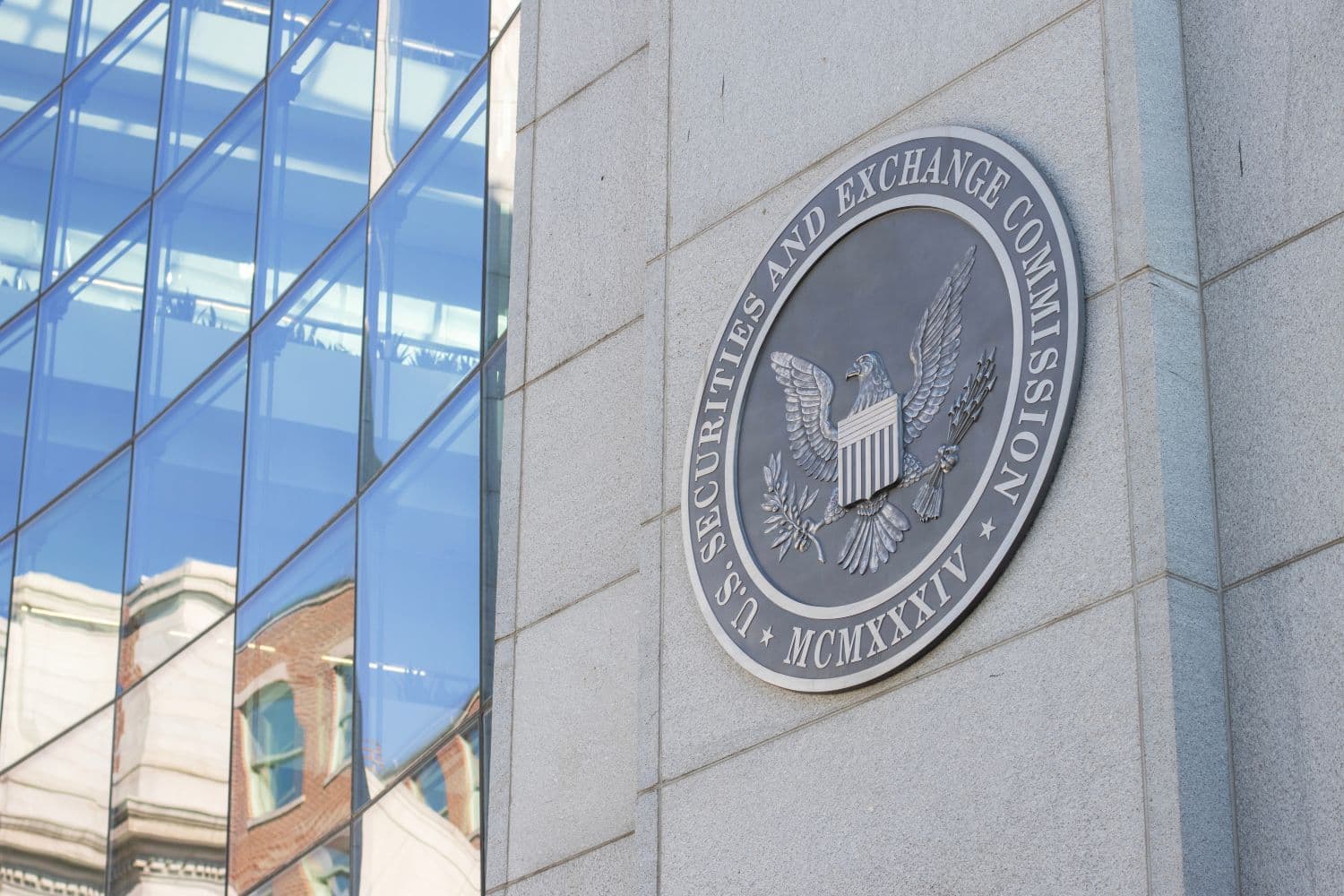
The Securities and Exchange Commission issued staff guidance on Apr. 13 that could allow certain XRP (XRP) decentralized exchange interfaces to operate without broker-dealer registration.
SEC Crypto Guidance
The SEC staff statement covers user interfaces that connect to crypto trading infrastructure through self-custodial wallets. Providers must avoid custody, order routing, trade execution, and solicitation to qualify.
The guidance requires covered interfaces to rely on objective, pre-disclosed parameters and give users control over default settings.
Compensation must be fixed and product-agnostic, with no payments tied to the size or outcome of individual trades. Providers also cannot recommend routes, claim a route is optimal, or exercise discretion over displayed market data.
The statement is temporary and will expire in five years unless the Commission acts first.
Also Read: Polymarket Investigates Startups Accused Of Enabling Insider Copy-Trading
XRPL DeFi Impact
The guidance carries particular weight for the XRP Ledger, which includes a built-in decentralized exchange with order books, automated market makers, and cross-currency routing at the protocol level. XRPL validator Vet called the development "extremely good news for DeFi on XRP," arguing that providing access to the XRP DEX should not require registration because the interface does not hold funds or execute trades.
Some analysts say this design could let XRP-based DeFi move faster than competing ecosystems.
Because the network handles routing and settlement natively, front-end developers face less infrastructure work than on chains where liquidity is fragmented across separate venues.
That reading aligns with the general direction of the SEC statement, but it remains an interpretation, not a formal exemption.
SEC-XRP Regulatory History
The SEC's relationship with XRP has shifted dramatically in recent years. The agency sued Ripple Labs in Dec. 2020, alleging $1.3 billion in unregistered securities sales. In Jul. 2023, Judge Analisa Torres ruled that XRP sold on public exchanges did not constitute securities, though certain institutional sales violated federal law. Ripple paid a $125 million civil penalty under the final judgment in Aug. 2024. Both sides withdrew their appeals by Aug. 2025, formally closing the case and removing the legal overhang that had weighed on XRP for nearly five years.
Read Next: Claude Mythos Becomes First AI To Complete Simulated Corporate Network Attack