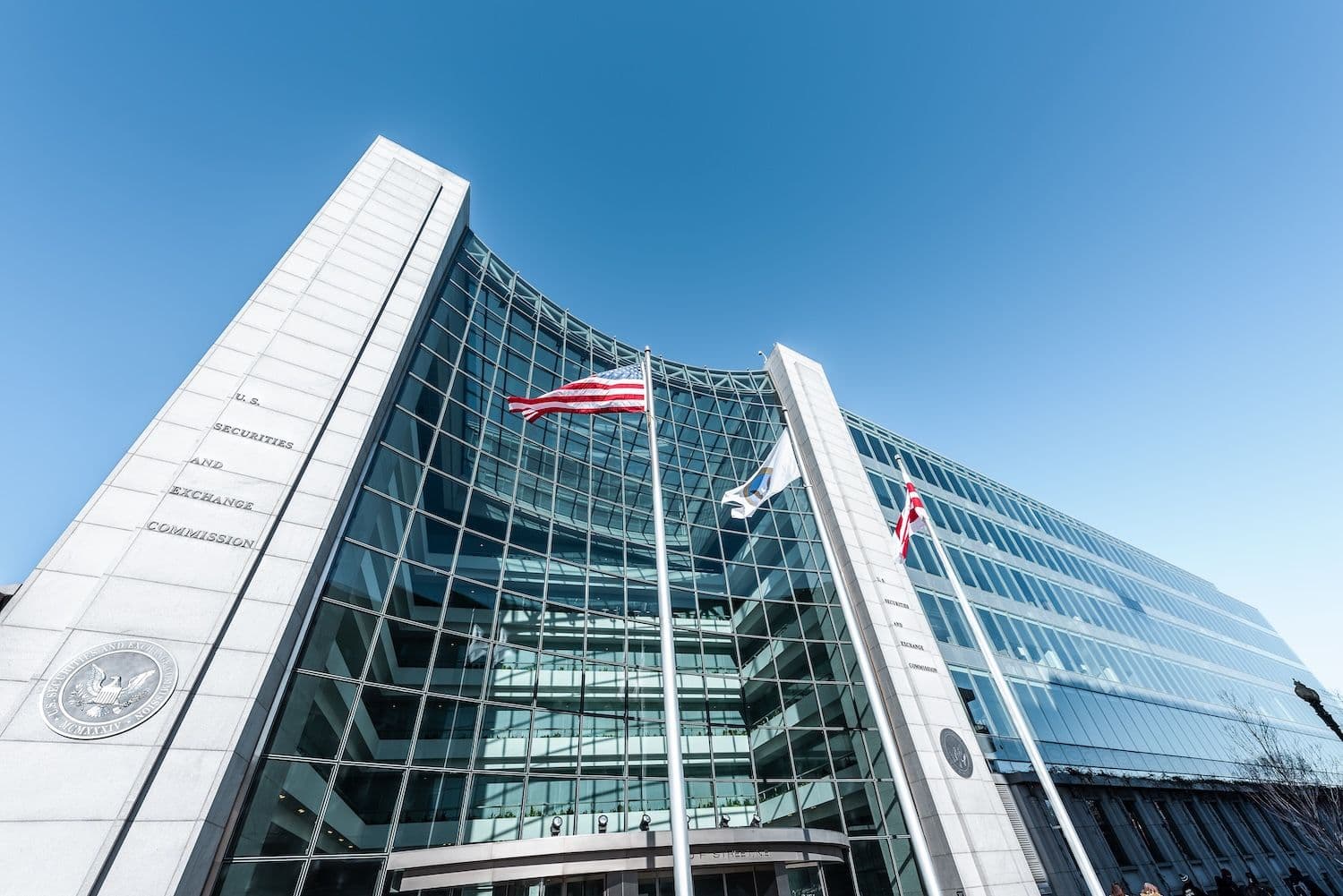
The U.S. Securities and Exchange Commission and the Commodity Futures Trading Commission on Tuesday issued a joint interpretation declaring that most crypto assets do not qualify as securities under federal law, establishing a five-category token taxonomy and providing long-awaited regulatory clarity for an industry that has operated in a legal gray zone for more than a decade.
Joint Crypto Assets Guidance Issued
The interpretation, which the SEC called a "major step" in its effort to clarify the treatment of crypto assets, creates a classification framework covering digital commodities, digital collectibles, digital tools, stablecoins, and digital securities. The CFTC confirmed it will apply the Commodity Exchange Act to crypto assets falling under its jurisdiction.
SEC Chairman Paul Atkins said the guidance "acknowledges what the former administration refused to recognize — that most crypto assets are not themselves securities." He added that after more than a decade of uncertainty, the interpretation gives market participants "a clear understanding of how the Commission treats crypto assets under federal securities laws."
CFTC Chairman Michael Selig echoed that sentiment, stating that American builders and entrepreneurs "have awaited clear guidance on the status of crypto assets under the federal securities and commodity laws." Both chairmen framed the interpretation as a bridge for market participants while Congress works on broader bipartisan market structure legislation.
The guidance also addresses common crypto activities that have long lacked regulatory definition, including airdrops, mining, staking, and asset wrapping. Crypto investor Ryan Sean Adams called it "the biggest move toward legitimacy I've seen in all my time in crypto."
Also Read: Current Bitcoin Cycle Diverges From 2022 Crash Pattern, Analyst Claims
A Step To Crypto Freedom
The interpretation represents a sharp reversal from the prior administration's enforcement-driven approach, which treated most token offerings and transactions as potential securities violations. That stance created widespread uncertainty across the industry and drove some projects offshore.
By drawing explicit lines between asset categories, the SEC and CFTC are attempting to give developers, exchanges, and investors a workable regulatory framework ahead of comprehensive legislation. Both agencies acknowledged that Congress is actively working on a bipartisan market structure bill to codify these distinctions into statute.
Read Next: What Keeps Ethereum From Reclaiming $2,500 Level?