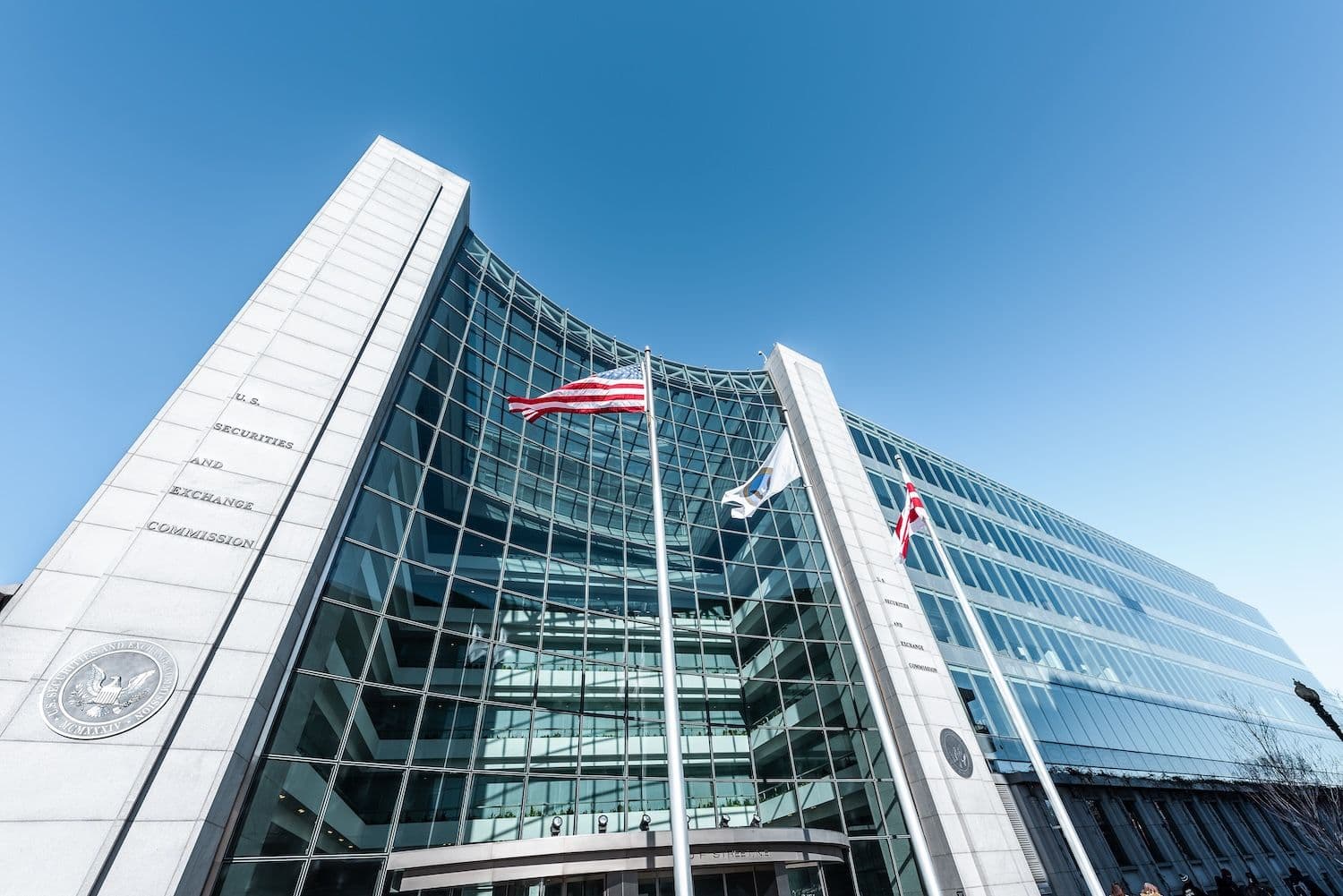
SEC Chair Paul Atkins said the commission is replacing its enforcement-first approach to digital assets with clearer regulatory guidance developed jointly with the Commodity Futures Trading Commission (CFTC), a pivot he described as essential to keeping crypto innovation within U.S. borders.
Joint Guidance Details
In a CNBC interview, Atkins said the agency's prior reliance on enforcement actions instead of concrete rulemaking created uncertainty that pushed businesses to other jurisdictions. "Perhaps nowhere has the cost of failing to do so been more apparent than in our treatment of crypto assets," he said, adding that previous messaging amounted to "adapt to us — or else."
The joint guidance released this week aims to clarify how federal securities laws apply to digital tokens. Under the new interpretation, crypto assets should not be treated as securities.
The SEC has identified four categories it no longer views as securities: digital commodities, digital tools, digital collectibles such as non-fungible tokens (NFTs), and stablecoins. Tokenized securities, however, remain classified as securities.
The agencies said the position aligns with recent legislative proposals, including the GENIUS Act with respect to stablecoins.
Also Read: BlackRock Moves $100M In Crypto to Coinbase, Fueling Market Jitters
Why It Matters
Atkins disclosed plans for a "fit-for-purpose startup exemption" that would allow early-stage crypto entrepreneurs to raise limited capital or operate for a defined period without full regulatory compliance. He also said the SEC expects to publish a proposal on crypto safe harbors for public comment in the coming weeks.
The proposal will incorporate an innovation exemption designed to carve out temporary relief from securities laws, letting companies experiment with new business models. Atkins stressed that the prior ambiguity discouraged some firms from operating in the U.S. and complicated compliance for those that did.
The fresh guidance, he suggested, is a corrective measure meant to bring clarity to the regulatory environment.
Read Next: Ethereum Drops Under Cost Basis For The First Time In Two Years: Can A Rally Follow?