
Key Takeaways
- Bitget, Binance, CoinEx, PancakeSwap, and Raydium are five leading platforms for trading SpaceX-related tokenized assets in 2026: Bitget, Binance, and CoinEx provide centralized exchange access, while PancakeSwap and Raydium support wallet-based decentralized trading.
- There is no single universal SpaceX token: Bitget offers rSPCX, Binance lists SPCXB, CoinEx supports SPCXX, PancakeSwap provides access to several SpaceX-linked token models, and Raydium trades Backpack-issued SPCX on Solana (SOL).
- Each SpaceX token uses a different structure: Some products are tracker certificates or contractual claims linked to SpaceX stock, while others can be redeemed through an issuer for a corresponding security entitlement. Similar tickers do not guarantee the same backing, ownership rights, dividend treatment, or redemption terms.
- CEXs are generally easier for USDT (USDT) trading, while DEXs offer more control: Centralized exchanges provide order books, account recovery, and built-in tools. Decentralized exchanges support self-custody, wallet transfers, liquidity pools, and DeFi access.
- The lowest headline fee may not deliver the lowest total cost: Traders should also compare spreads, liquidity, slippage, network fees, withdrawal charges, stablecoin conversion, and potential redemption costs before choosing a platform.
Why SpaceX Stock Is a Hot Topic in 2026
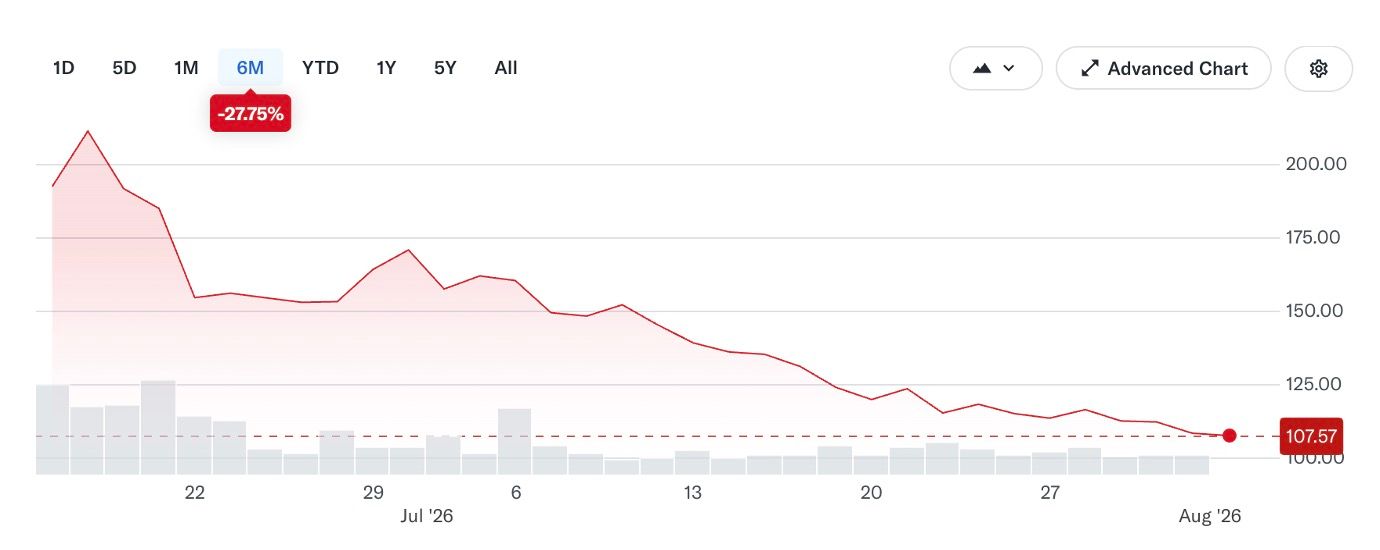
"We choose to go to the Moon … not because they are easy, but because they are hard." More than six decades after John F. Kennedy delivered those famous words, SpaceX has turned that spirit of ambition into one of the biggest market stories of 2026. After more than two decades as a closely watched private company, SpaceX priced its IPO at $135 per share and began trading under the ticker SPCX in June. The offering raised approximately $85.7 billion in gross proceeds, immediately placing the company at the center of global investor attention.
The excitement is not just about rockets. SpaceX operates across reusable launch systems, human spaceflight, satellite deployment, government and defense contracts, and Starlink's global broadband network. It is also developing Starship as a fully reusable system for carrying people and cargo to Earth orbit, the Moon, Mars, and beyond. In one stock, investors gain exposure to several of the most ambitious areas of the commercial space economy.
SpaceX also has something few newly listed companies can match: constant public attention. A successful launch, Starlink expansion, government contract, earnings update, or major Starship milestone can quickly become a market-moving story. Its connection to Elon Musk adds even more visibility, making SPCX a natural target for long-term investors, active traders, and crypto users looking for a blockchain-based route into the SpaceX story.
Also Read: SpaceX Braces For A Supply Shock As 911.5M Shares Come Unlocked
Why Trade Tokenized SpaceX Stock?
Traditional SPCX shares are available through supported brokerages, but tokenized versions offer a more crypto-native route. Instead of moving money through a bank and funding a separate brokerage account, eligible users can access SpaceX-linked assets with USDT or other supported cryptocurrencies on a CEX or DEX.
The main advantages include:
- Crypto-based access: Trade SpaceX-linked products directly with USDT or other supported crypto assets.
- Fractional positions: Some platforms allow users to start with only a few dollars instead of buying a full SPCX share.
- Extended trading hours: Many tokenized markets operate beyond regular Nasdaq hours, including nights and weekends.
- Faster reaction to news: Traders may respond to launches, Starlink updates, government contracts, or major company announcements without waiting for the next stock-market session.
- Self-custody: Certain tokens can be withdrawn to a personal wallet and transferred through supported blockchain networks.
- DeFi access: Eligible assets may be traded on DEXs, supplied to liquidity pools, or used through compatible onchain applications.
- Crypto-native tools: Depending on the platform, users may access market and limit orders, grid trading, Auto-Invest, APIs, margin, and unified-account features.
These benefits come with trade-offs. Liquidity may be thinner outside regular U.S. market hours, which can lead to wider spreads, greater slippage, and temporary differences between a token's price and the underlying SPCX share price.
Also Read: SpaceX Becomes America's Most Shorted Company As Bears Wager $26B
Top 5 Places to Trade SpaceX-Related Tokenized Assets
SpaceX-linked tokens may track the same company, but the trading experience can look completely different from one platform to another. Some platforms use centralized order books and USDT pairs, while others rely on blockchain wallets and liquidity pools. The token itself may also come from Reality, Binance bStocks, xStocks, Ondo, or Backpack.
For this review, the five platforms are compared based on their SpaceX product, fee structure, trading tools, custody model, onchain portability, and overall ease of use.

The headline fee does not always show the real cost of a trade. A platform with a low or zero commission may still be more expensive if liquidity is thin, slippage is high, or the blockchain route requires additional gas and bridging.
Traders should therefore compare the complete route into and out of the position, not just the number displayed beside "trading fee."
Also Read: Ethereum Stayed Off Exchanges As Fidelity Parked $499.55M In Fresh Wallets
Bitget rSPCX: Best for Liquidity and Capital Efficiency
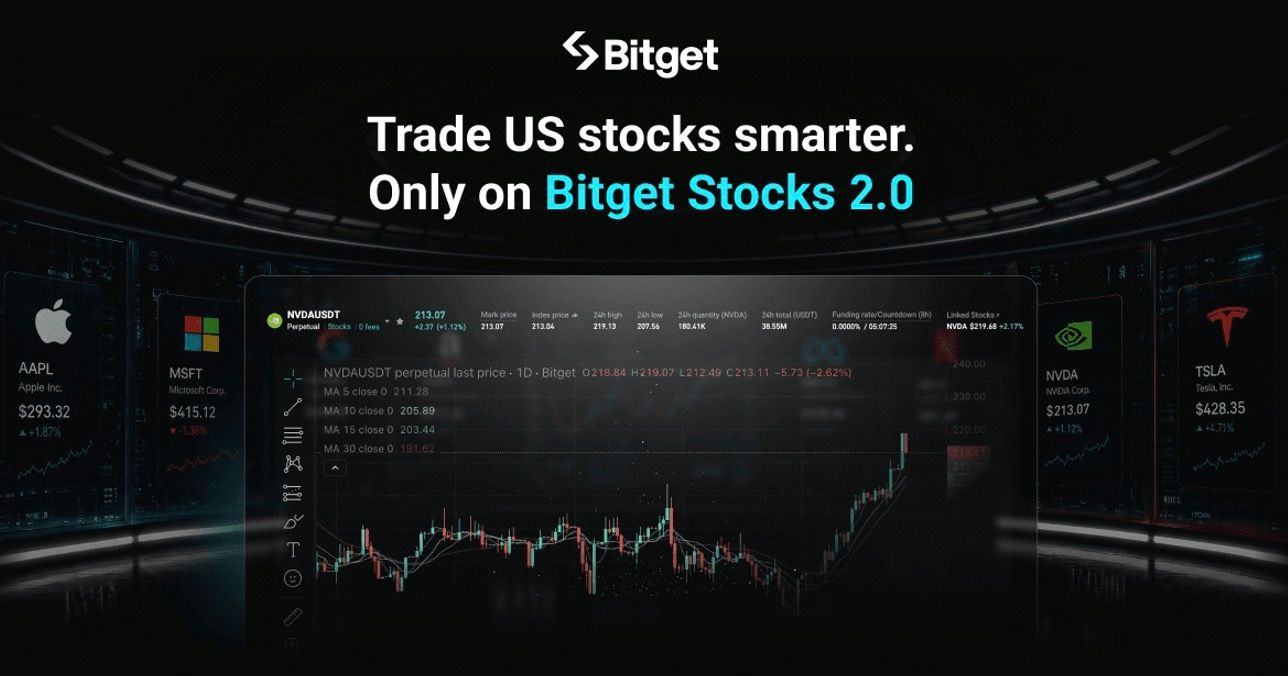
Bitget is the strongest all-around option for users who want SpaceX-linked exposure that can do more than sit in a portfolio. Eligible users can trade rSPCX directly with USDT, begin with about 1 USDT, access the market 24/7, and use supported rTokens across margin, lending, copy trading, and automated strategy scenarios. Bitget also offers more than 500 tokenized U.S. stocks and ETFs, giving users one of the broadest rToken selections available on a centralized exchange.
Bitget rSPCX Snapshot
- Asset: rSPCX
- Issuer: Reality
- Trading currency: USDT
- Platform type: Centralized exchange
- Minimum purchase: From about 1 USDT
- Asset coverage: More than 500 rTokens
- Trading schedule: 24/7 for rSPCX
- Trading fee: 0.05% maker and taker during the current promotion
- Best for: Liquidity, capital efficiency, and active multi-asset trading
What Is rSPCX?
rSPCX is a tokenized stock product designed to track the economic performance of SpaceX shares. It is issued by Reality and backed 1:1 by the corresponding underlying stock held through regulated U.S. brokerage and custody infrastructure.
Bitget states that rToken reserves are independently verified daily by The Network Firm. Eligible cash dividends are credited to holders in USDT, while stock splits and reverse splits are reflected through corresponding balance adjustments.
Holding rSPCX is still different from owning a directly registered SPCX share through a traditional brokerage. rSPCX provides stock-linked economic exposure, but holders generally do not appear on SpaceX's shareholder register or receive voting rights.
Why Bitget Stands Out
1. Deep, Market-Linked Liquidity
Liquidity is one of Bitget's main advantages. During supported U.S. trading sessions, rToken orders connect through licensed brokers to the underlying Nasdaq and NYSE markets. This gives liquidity providers a direct route to the original stock market rather than relying only on a small standalone token pool.
The result is deeper order-book liquidity, more stable price alignment, and smoother execution for larger trades. Bitget describes the product as offering millisecond-level execution and lower slippage than tokenized-stock models that depend mainly on third-party market makers.
2. More Than 500 rToken Markets
Bitget supports more than 500 tokenized U.S. stocks and ETFs, covering major technology companies, artificial intelligence, semiconductors, space, energy, finance, healthcare, commodities, and leading market ETFs. The catalogue includes rSPCX alongside products such as rNVDA, rAAPL, rTSLA, rSPY, and rQQQ.
This broad coverage lets users manage SpaceX exposure alongside other U.S. stock-linked positions without moving funds across several exchanges or brokerage accounts.
3. 24/7 rSPCX Trading
Unlike traditional SPCX shares, rSPCX can be traded 24 hours a day, seven days a week, including weekends and periods when Nasdaq is closed. This allows traders to react to a SpaceX launch, Starlink update, government contract, or other major announcement without waiting for the next traditional market session.
Liquidity may still be thinner outside regular U.S. market hours. Traders should check the spread and available order-book depth before placing a large order, particularly during weekends or holidays.
4. Stronger Capital Efficiency
Bitget treats eligible rTokens as working assets rather than passive stock representations. More than 100 rTokens can be used as margin in the Unified Trading Account, allowing users to retain their stock-linked exposure while supporting other eligible trading positions.
Depending on the asset, account mode, collateral ratio, and current platform rules, supported rTokens may be used for:
- Futures margin
- Cross-product collateral
- Crypto Loans
- Copy trading
- Grid and automated trading strategies
- API-based trading
- Selected yield-generating products
For example, an eligible user may hold rSPCX while using part of its collateral value to support a futures position or borrow USDT through Bitget Crypto Loans. This can reduce idle capital, although borrowing, margin use, and leverage introduce additional risks. Bitget's product material specifically identifies capital efficiency, market-linked liquidity, 24/7 access, and multiple yield or strategy uses as core rToken advantages.
5. Low Entry Barrier
Bitget now supports fractional rToken purchases starting from about 1 USDT. Users do not need to buy a full SpaceX share, making it easier to control position size, test the product, or gradually build exposure through smaller purchases.
Bitget rSPCX Fees
Bitget offered zero trading fees for rSPCX during its initial launch campaign, but that short-term promotion has ended.
The current promotional rate for eligible rToken trading is:
- Maker fee: 0.05%
- Taker fee: 0.05%
At this rate, a 1,000 USDT trade would incur approximately 0.50 USDT in trading fees before spreads and slippage. Users may also receive an additional fee discount when paying with BGB (BGB), subject to the live campaign and account terms.
The complete cost can also include:
- Bid-ask spread
- Slippage
- USDT funding or conversion costs
- Borrowing interest
- Margin-related costs
- Withdrawal fees where applicable
Users should check the live rSPCX market and fee schedule before trading because promotional rates and product conditions can change.
Bitget Strengths
- More than 500 tokenized U.S. stocks and ETFs
- Minimum purchase from about 1 USDT
- 24/7 rSPCX trading
- Direct USDT settlement
- Nasdaq- and NYSE-linked liquidity
- 1:1 backing by the corresponding underlying stock
- Daily independent reserve verification
- More than 100 rTokens supported as margin assets
- Crypto Loans and collateral utility
- Level 2 market data for eligible users
- APIs, copy trading, and automated strategies
- Cash dividends distributed in USDT
Bitget Limitations
rSPCX provides economic exposure rather than directly registered ownership of SpaceX shares. Access depends on the user's jurisdiction, KYC status, account mode, and product eligibility.
Trading outside regular U.S. market hours may also involve thinner liquidity, wider spreads, and temporary differences between the rSPCX price and the latest Nasdaq reference.
Best for: Users who want SpaceX-linked exposure with strong liquidity, a low entry barrier, 24/7 access, and the ability to use eligible stock tokens across margin, lending, and advanced trading strategies.
Also Read: Bitget Adds New Zealand Registration Covering 5 Regulated Money Services
Binance SPCXB: Best for Conversion and BNB Chain Portability
Binance takes a different approach to SpaceX tokenization. Its SPCXB product is designed for users who want to trade SpaceX-linked exposure on a centralized exchange, convert between eligible stock and token formats, and move the asset into a self-custodied BNB Smart Chain wallet.
Binance SPCXB Snapshot
- Asset: SPCXB
- Product family: Binance bStocks
- Issuer: BTech Holdings Limited
- Platform type: Centralized exchange
- Blockchain: BNB Smart Chain
- Minimum investment: From about $5
- Trading schedule: 24/7
- Backing: 1:1 by the corresponding U.S. share
- Conversion fee: No fee for eligible stock-to-bStock conversions
- Trading fee: $0.35 for orders up to $340; 0.1% for larger orders
- Best for: Stock-to-token conversion, self-custody, and BNB Chain access
What Is SPCXB?
SPCXB is the SpaceX product within Binance's bStocks lineup. bStocks are tokenized securities issued by BTech Holdings Limited and structured as certificates representing an interest in underlying securities held by the issuer.
Each SPCXB is designed to be backed 1:1 by a corresponding SpaceX share held through a regulated custodian. Binance also provides a Proof of Collateral page where users can review the reported backing behind supported bStocks.
However, holding SPCXB is not the same as directly owning a registered SpaceX share. SPCXB holders gain exposure to the price performance and economic benefits of the underlying stock, but they do not appear on SpaceX's shareholder register or receive ordinary voting rights.
Why Binance Stands Out
1. Free Two-Way Stock-to-Token Conversion
Binance's biggest advantage is its conversion system. Eligible users can convert a supported stock position into its corresponding bStock at a 1:1 ratio without paying a conversion fee. The process also works in reverse, allowing users to convert SPCXB back into the related stock position.
This creates a relatively smooth bridge between traditional stock exposure and blockchain-based ownership. A user can:
- Buy an eligible stock through Binance
- Convert it into SPCXB
- Trade or hold SPCXB on the exchange
- Withdraw SPCXB to a compatible wallet
- Return it to Binance and convert it back into a stock position
The conversion service is generally available 24/7, although it may be temporarily paused during maintenance or corporate-action processing.
2. 24/7 Trading and Fast Settlement
SPCXB trades around the clock through Binance Spot, including nights and weekends. Binance states that bStock transactions generally settle in under one second, removing the T+1 settlement delay commonly associated with traditional stock trading.
This lets users react to a SpaceX launch, Starlink development, government contract, or other major event without waiting for Nasdaq to reopen.
As with other tokenized stocks, liquidity may be lower outside regular U.S. trading hours. Prices can temporarily move away from the latest traditional-market reference, particularly during volatile news events.
3. Self-Custody Through BNB Smart Chain
SPCXB is issued as a BEP-20 token on BNB Smart Chain. Eligible users can withdraw it from Binance to a compatible wallet rather than leaving it under centralized exchange custody.
Depending on the protocol and current integrations, bStocks may be used for:
- Wallet-to-wallet transfers
- Decentralized exchange trading
- Lending and borrowing
- Liquidity provision
- Collateral
- Other compatible DeFi applications
This portability is the main reason Binance ranks highly. Users can begin through a familiar CEX interface and later move the asset onchain.
4. Fractional Access From About $5
Binance supports fractional bStock exposure starting from approximately $5. Users do not need to purchase a full SpaceX share, making it easier to control position size or build exposure gradually.
5. Automated Dividends and Corporate Actions
Binance processes dividends, stock splits, and other supported corporate actions through an onchain mechanism called the Multiplier.
When the underlying company pays an eligible dividend, the net value is reinvested into the underlying stock after applicable withholding tax. The user's bStock balance then increases proportionally instead of receiving a separate cash payment. Stock splits are reflected through corresponding changes to the token quantity and price.
Binance SPCXB Fees
Converting between eligible stock positions and corresponding bStocks is free. However, buying and selling SPCXB follows a trade-value-based fee structure:
- Orders valued at $340 or less: $0.35 per trade
- Orders valued above $340: 0.1% of the trade value
For example, a $300 SPCXB order would incur a $0.35 trading fee, while a $1,000 order would cost approximately $1 before accounting for spreads and slippage.
Users moving SPCXB onchain should also consider:
- Binance withdrawal charges
- BNB Smart Chain network fees
- DEX or DeFi protocol fees
- Bid-ask spreads
- Slippage
- Stablecoin conversion costs
Only BNB Smart Chain is currently supported for bStock deposits and withdrawals. Sending SPCXB through an unsupported network may result in a permanent loss of funds.
Binance Strengths
- SPCXB backed 1:1 by a corresponding SpaceX share
- Free eligible stock-to-bStock conversion
- Reverse conversion back into stock exposure
- 24/7 spot trading
- Settlement generally completed in under one second
- Fractional access from about $5
- BNB Smart Chain withdrawals
- Self-custody and DeFi compatibility
- Proof of Collateral
- Automatic dividend reinvestment
- Automated stock-split adjustments
Binance Limitations
SPCXB is a certificate-based tokenized security rather than direct registered ownership of a SpaceX share. Holders do not receive ordinary voting rights, and eligible dividends are reinvested instead of being distributed as cash.
The product is also available only in permitted jurisdictions and is not offered to U.S. persons. Withdrawals are limited to BNB Smart Chain, while smart-contract controls, sanctions screening, wallet restrictions, and applicable laws can affect token transfers.
Best for: Users who want a simple bridge between centralized SpaceX exposure and an onchain token that can be held in a BNB Smart Chain wallet.
Also Read: Coldcard Loses $70M In 41 Minutes As CZ Warns Hardware Wallets Can Fail
CoinEx SPCXX: Best for Grid and Auto-Invest
CoinEx is the most automation-focused CEX in this comparison. Alongside ordinary SPCXX/USDT trading, the platform supports Spot Grid, Auto-Invest, and AMM participation, giving users several ways to build or manage SpaceX-linked exposure.
CoinEx SPCXX Snapshot
- Asset: SPCXX
- Product family: xStocks
- Trading pair: SPCXX/USDT
- Platform type: Centralized exchange
- Token networks: Solana and Ethereum (ETH)
- Trading tools: Spot Grid, Auto-Invest, and AMM
- Standard VIP 0 spot fee: 0.20%
- Best for: Automated accumulation and range-trading strategies
What Is SPCXX?
SPCXX, also written as SPCXx, is a tokenized tracker certificate designed to follow the price of SpaceX stock. CoinEx listed SPCXX/USDT on Jun. 13, 2026, with deposits, withdrawals, AMM, Spot Grid, and Auto-Invest support.
The token belongs to the xStocks ecosystem. xStocks says its products are backed 1:1 by corresponding securities held in regulated custody and can be purchased fractionally from about $1, subject to platform and regional eligibility.
Holding SPCXX does not normally make the user a directly registered SpaceX shareholder. The product provides economic exposure through the xStocks structure, while CoinEx serves as the secondary trading venue.
Why CoinEx Stands Out
Several Ways to Trade SPCXX
CoinEx gives users more options than simply buying and selling manually:
- Spot trading: Trade SPCXX directly against USDT using ordinary exchange orders.
- Spot Grid: Automate repeated purchases and sales within a selected price range.
- Auto-Invest: Schedule recurring SPCXX purchases instead of trying to time each entry.
- AMM participation: Add liquidity to the market and potentially earn a share of trading fees.
- Deposits and withdrawals: Move SPCXX between CoinEx and supported blockchain wallets.
These tools make CoinEx suitable for users who prefer a rules-based approach. A trader expecting SPCXX to move within a range may use Spot Grid, while a long-term user may choose recurring purchases through Auto-Invest.
Automation does not remove market risk. A grid strategy can lose money if SPCXX moves sharply outside the selected range, while recurring purchases may continue even during a prolonged decline.
Onchain Portability
SPCXX is issued in Solana SPL and Ethereum ERC-20 formats. This gives eligible users the option to withdraw the token and hold it in a compatible wallet rather than keeping it permanently on CoinEx.
Network availability, withdrawal fees, and token-contract support should be checked before transferring funds.
CoinEx SPCXX Fees
CoinEx charges a standard 0.20% spot fee for VIP 0 users. Enabling CET (CET) fee deductions can reduce the rate to 0.16%, while higher VIP levels may receive further discounts.
At the standard rate:
- A 100 USDT trade costs approximately 0.20 USDT
- A 1,000 USDT trade costs approximately 2 USDT
- A 10,000 USDT trade costs approximately 20 USDT
CoinEx AMM markets use a separate fee structure. Regular users generally pay 0.30% on non-stablecoin AMM markets, and VIP or CET discounts do not apply to those trades.
Users should also consider:
- Bid-ask spreads
- Slippage
- Withdrawal and blockchain fees
- The number of trades generated by a grid strategy
- Impermanent loss when providing AMM liquidity
Frequent automation can turn a small per-trade fee into a meaningful total cost, so users should review strategy frequency as carefully as the headline rate.
CoinEx Strengths
- Direct SPCXX/USDT trading
- Spot Grid support
- Recurring Auto-Invest plans
- AMM participation
- Solana and Ethereum token formats
- Deposits and withdrawals
- Fractional SpaceX-linked exposure
- CET and VIP fee discounts
CoinEx Limitations
CoinEx's standard 0.20% spot fee is higher than other platforms. AMM trading can be more expensive, while automated strategies may generate many individual fills.
SPCXX also relies on the xStocks issuer, custodian, and redemption structure. Users should understand those terms rather than evaluating the product only through CoinEx's trading interface.
Best for: Users who want to automate SpaceX token accumulation or range trading through Spot Grid, Auto-Invest, and AMM tools.
Also Read: Bitcoin Slides To $65,500 After Houthi Strikes On Saudi Oil Tankers
PancakeSwap: Best for Multiple SpaceX Token Models
PancakeSwap offers the widest choice of SpaceX-related tokenized assets in this comparison. Instead of supporting only one product, its Stock Terminal provides access to SPCXB, SPCXx, and SPCXon, allowing users to compare different issuers and token structures through one self-custodial interface.
PancakeSwap Snapshot
- Assets: SPCXB, SPCXx, and SPCXon
- Platform type: Decentralized exchange
- Main networks: BNB Chain and Ethereum
- Trading schedule: 24/7
- Asset coverage: More than 500 tokenized assets
- Trading fee: Zero through supported Stock Terminal routes
- Trading model: Wallet-based swaps with best-execution routing
- Best for: Comparing multiple SpaceX token models and maintaining self-custody
Which SpaceX Tokens Are Available?
The SpaceX products on PancakeSwap may track the same underlying stock, but they use different structures:
- SPCXB: Binance's bStock, issued on BNB Smart Chain and designed to be backed 1:1 by a corresponding SpaceX share.
- SPCXx: An xStocks tracker certificate available through supported BNB Chain and Ethereum routes.
- SPCXon: An Ondo Global Markets product designed to provide tokenized economic exposure to SpaceX stock.
PancakeSwap also introduced an SPCXB-USDT liquidity farm, allowing eligible users to supply liquidity and potentially earn trading fees and promotional rewards while maintaining SpaceX-linked exposure.
Why PancakeSwap Stands Out
Three SpaceX Token Models in One Place
PancakeSwap's biggest advantage is choice. Users can examine SPCXB, SPCXx, and SPCXon without opening separate accounts on multiple centralized exchanges.
This makes it easier to compare:
- Issuer and legal structure
- Blockchain network
- Backing and custody
- Dividend treatment
- Liquidity
- Transferability
- Redemption conditions
Similar prices do not make the tokens interchangeable. Users should verify which version they are buying before completing a swap.
Self-Custodial Trading
Users connect a compatible wallet and trade directly onchain rather than depositing assets into an exchange-controlled account.
This gives users control over their tokens and allows supported assets to move between wallets, DEXs, liquidity pools, and other compatible DeFi applications.
Self-custody also brings more responsibility. Users must protect their private keys, hold the correct network assets, and verify the official token contract.
More Than 500 Tokenized Assets
PancakeSwap's Stock Terminal covers more than 500 tokenized stocks, ETFs, bonds, commodities, and other real-world assets from providers such as Binance bStocks, xStocks, and Ondo.
SpaceX traders can therefore manage SPCX-related products alongside tokenized technology stocks, market ETFs, bonds, and other assets from the same interface.
24/7 Trading With Smart Routing
Supported SpaceX tokens can trade around the clock, including weekends and holidays. This gives users the flexibility to react to major launches, Starlink updates, contracts, or other SpaceX news when traditional exchanges are closed.
PancakeSwap X routes supported orders through a network of liquidity providers to seek better execution. Eligible routes may also offer gasless settlement and MEV protection, with liquidity providers covering the blockchain execution cost.
Liquidity can still be lower outside regular Nasdaq hours, so users should review the quoted output and price impact before trading.
Liquidity and DeFi Opportunities
Unlike platforms focused only on buying and selling, PancakeSwap lets eligible users put supported SpaceX tokens into liquidity pools and farms.
Possible uses include:
- Token swaps
- Liquidity provision
- SPCXB-USDT farming
- Wallet-to-wallet transfers
- Other supported DeFi integrations
Providing liquidity can generate fees or rewards, but it also introduces impermanent loss, smart-contract risk, and exposure to both assets in the pool.
PancakeSwap Fees and Costs
PancakeSwap advertises zero trading fees for supported trades through its Stock Terminal and PancakeSwap X. The platform also says eligible PancakeSwap X routes can be gasless because third-party fillers cover the transaction cost.
However, zero platform fees do not always mean zero total cost. Depending on the token, network, and route, users may still face:
- Slippage
- Price impact
- Bid-ask differences
- Blockchain gas when PancakeSwap X is not used
- Token approval costs
- Bridging fees
- Transfer charges
- Liquidity-pool risks
Before confirming a swap, users should check the estimated output, route, network, token contract, and minimum amount received.
PancakeSwap Strengths
- Access to SPCXB, SPCXx, and SPCXon
- More than 500 tokenized assets
- 24/7 onchain trading
- Zero fees through supported Stock Terminal routes
- Gasless execution on eligible PancakeSwap X trades
- MEV protection and best-execution routing
- Self-custody
- BNB Chain and Ethereum access
- SPCXB-USDT liquidity farm
- Wider DeFi compatibility
PancakeSwap Limitations
The availability of three SpaceX tokens can create confusion because each product has different backing, shareholder rights, dividend treatment, and redemption rules.
DEX trading also requires users to manage wallets, networks, token approvals, and contract verification. Regional or issuer restrictions may still apply even when the trading interface itself does not require a conventional exchange account.
Best for: Experienced onchain users who want to compare multiple SpaceX tokenization models, maintain self-custody, and explore liquidity or other DeFi opportunities.
Also Read: Billionaire Ray Dalio Prefers Gold To Bitcoin, Citing Quantum Risk And Government Monitoring
Raydium: Best for Redeemable SPCX on Solana
Raydium offers the most Solana-native route in this comparison. Users can trade Backpack-issued SPCX through an onchain liquidity pool, keep the token in a compatible wallet, and redeem it into the corresponding SpaceX security entitlement through Backpack Securities, subject to eligibility.
Raydium SPCX Snapshot
- Asset: SPCX
- Issuer: Backpack Securities
- Platform type: Decentralized exchange
- Blockchain: Solana
- Trading schedule: 24/7
- Trading model: Onchain liquidity pools
- Backing: Anchored 1:1 to underlying SpaceX shares through minting and redemption
- Redemption: Available through Backpack Securities for eligible users
- Best for: Solana trading, self-custody, and redeemable tokenized equity
What Is Backpack-Issued SPCX?
Backpack-issued SPCX is a tokenized security on Solana. Unlike products that only provide a contractual claim linked to a stock's price, each SPCX token is designed to be redeemable for the corresponding SpaceX share through Backpack Securities.
Backpack connects the traditional and tokenized formats through a two-way process:
- A traditional SpaceX security position can be tokenized and withdrawn to Solana.
- Tokenized SPCX can be deposited into Backpack and converted into the corresponding traditional security entitlement.
- The token can also be held in Backpack Wallet or another compatible Solana wallet.
The tokenized version remains a claim on the structure holding the underlying assets rather than a directly registered share held in the user's personal name. Redemption also requires access to Backpack Securities and compliance with its account and regional requirements.
Why Raydium Stands Out
1. A Direct Redemption Route
Raydium's main advantage is not simply that SPCX trades onchain. It is that the token has a defined path back into traditional securities infrastructure.
Eligible users can redeem tokenized SPCX into the corresponding SpaceX security entitlement through Backpack Securities. This creates a stronger link between the token and the underlying share than products that depend only on market-maker quotes or cash settlement.
2. 24/7 Solana Trading
Raydium began hosting liquidity for SPCX shortly after SpaceX entered the public market. Because the token trades through Solana liquidity pools, users can access it during nights, weekends, and holidays rather than following Nasdaq's regular session.
This can be useful when major SpaceX news arrives outside U.S. market hours. However, always-on trading does not guarantee constant liquidity. Pool depth may decline when traditional markets are closed, leading to higher price impact or wider differences from the latest SPCX reference price.
Self-Custody and DeFi Access
SPCX can be held in a self-custodied Solana wallet and transferred between compatible addresses. The asset can also interact with supported Solana applications, including decentralized exchanges and liquidity protocols.
Possible uses include:
- Wallet-to-wallet transfers
- Decentralized swaps
- Liquidity provision
- Portfolio management through Solana wallets
- Other compatible DeFi applications
This gives users more control over the asset, but it also places responsibility for private-key security, token verification, and transaction approval on the holder.
Onchain Liquidity
Raydium uses automated liquidity pools rather than a centralized order book. Buyers and sellers trade against assets supplied to the pool, while liquidity providers earn part of the swap fees.
Raydium stated that SPCX was available onchain from the day of SpaceX's Nasdaq debut. Backpack later reported that its SPCX product had become the highest-volume and most liquid tokenized SpaceX asset traded onchain, although this is a claim from the issuer rather than independent market research.
Users should still check the live pool because liquidity and volume can change quickly.
Dividends and Corporate Actions
For tokenized SPCX, eligible dividends are automatically reinvested into additional tokenized shares rather than paid separately in cash. Supported corporate actions are reflected through proportional token-balance adjustments designed to maintain economic equivalence with the underlying stock.
This creates an automatic reinvestment model, but users who prefer visible cash dividend payments may find the structure less transparent than receiving USDT directly.
Raydium SPCX Fees
Raydium does not charge one universal fee across every pool. The fee depends on the type of liquidity pool, its configuration, and the route used for the swap.
For example, Raydium's standard CPMM configuration uses a 0.25% trade fee, although individual pools can use different settings or add an optional creator fee. Concentrated-liquidity pools can also use separate fee tiers.
A 1,000 USDT-equivalent swap through a standard 0.25% pool would carry a fee of approximately 2.50 USDT, before other execution costs.
Users should also consider:
- Solana network fees
- Priority fees
- Slippage
- Price impact
- Token transfer fees
- Wallet swap-routing costs
- Redemption-related requirements
- Impermanent loss when providing liquidity
The Raydium interface shows the expected output and price impact before a transaction is signed. Users should review the live pool rather than assuming every SPCX swap uses the standard 0.25% fee.
Raydium Strengths
- Backpack-issued SPCX on Solana
- Redeemable through Backpack Securities
- 1:1 mint-and-redemption link to the underlying stock
- 24/7 onchain trading
- Self-custody
- Wallet-to-wallet transfers
- DeFi compatibility
- Liquidity provision
- Automatic dividend reinvestment
- Corporate-action balance adjustments
- Low-cost Solana settlement
Raydium Limitations
Raydium uses liquidity pools rather than a traditional order book, so execution depends heavily on available pool depth. Large swaps may experience meaningful slippage or price impact, especially outside the U.S. market hours.
Redemption is also not automatically available to every wallet holder. Users must qualify for Backpack Securities, complete the required verification, and comply with regional restrictions before converting tokenized SPCX into the corresponding security entitlement.
DEX users must also manage wallet security, contract verification, transaction settings, and irreversible onchain transfers.
Best for: Solana users who want 24/7 self-custodial SpaceX exposure with a defined redemption route into traditional security infrastructure.
Also Read: Tesla Promises To Spend More Than $25B, And Investors Flinch
CEX vs DEX: Which Is Better for Trading SpaceX Tokenized Assets?
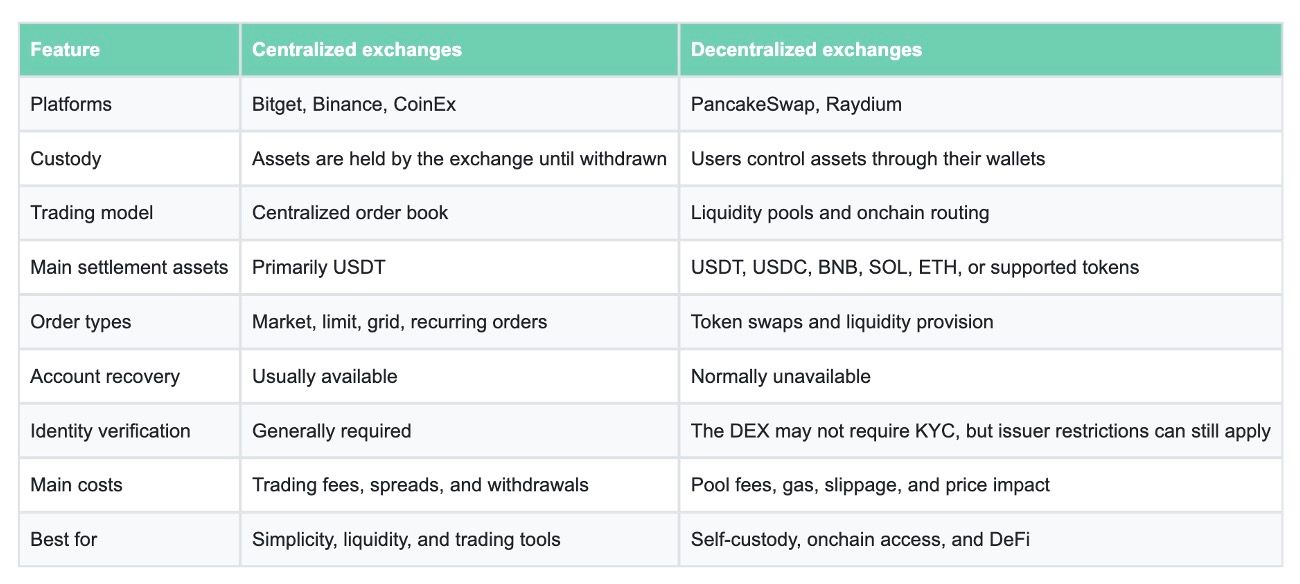
The five platforms in this review follow two different routes. Bitget, Binance, and CoinEx are centralized exchanges, while PancakeSwap and Raydium are decentralized exchanges. Both can provide SpaceX-linked exposure, but the trading experience, custody model, and risks are very different.
Why Choose a Centralized Exchange?
A CEX is generally easier for users who want to deposit USDT, search for a SpaceX-related pair, and place a familiar market or limit order. There is no need to set up a separate wallet, manage blockchain gas, or verify token contracts before every trade.
The three CEXs in this review also serve different needs:
- Bitget focuses on liquidity, capital efficiency, and a broad selection of more than 500 rTokens.
- Binance provides free eligible conversion between stock and bStock formats, along with BNB Chain withdrawals.
- CoinEx offers Spot Grid, Auto-Invest, and AMM tools for users who prefer automated strategies.
The main trade-off is custody. While the asset remains on the platform, the exchange controls the private keys. Users are also subject to KYC, regional availability, withdrawal rules, and exchange counterparty risk.
Why Choose a Decentralized Exchange?
A DEX is more suitable for users who want to trade directly from a personal wallet and keep control of their assets. PancakeSwap provides access to several SpaceX token models, while Raydium offers Solana-based trading for Backpack-issued SPCX.
DEX users may also access:
- Wallet-to-wallet transfers
- 24/7 blockchain settlement
- Liquidity pools
- Yield farming
- Other compatible DeFi applications
The extra control comes with extra responsibility. Users must protect their seed phrase, verify the official token contract, select the correct blockchain, manage gas, and review slippage before approving a transaction. Onchain transfers are normally irreversible, and there may be no support team able to recover funds sent to the wrong address.
Is a DEX Always More Accessible?
Not necessarily. A decentralized interface may allow users to connect a wallet without opening a conventional exchange account, but the token itself can still carry issuer restrictions.
Smart contracts may enforce address controls, geographic restrictions, sanctions screening, or transfer limits. A user may also be able to trade a token onchain without qualifying to redeem it for the underlying security.
In practice, CEXs are generally better for simplicity, liquidity, and active trading tools, while DEXs are better for self-custody, token choice, and DeFi access. The right route depends on how much control the user wants and how comfortable they are managing blockchain transactions.
Also Read: Apple Stock Sinks 8% After Tim Cook's Warning On Memory Prices
Which Platform Should You Choose?
There is no single best platform for every SpaceX trader. The right choice depends on whether you prioritize liquidity, capital efficiency, automation, self-custody, token variety, or redemption.
- Choose Bitget for liquidity and capital efficiency: Bitget is the strongest overall choice for users who want 24/7 rSPCX trading, access from about 1 USDT, more than 500 rToken markets, and the ability to use eligible rTokens across margin, lending, copy trading, and automated strategies.
- Choose Binance for stock-to-token conversion: Binance is best for users who want to convert between eligible SpaceX stock exposure and SPCXB without a conversion fee, then withdraw the token to BNB Smart Chain for self-custody or supported DeFi use.
- Choose CoinEx for automated strategies: CoinEx suits users who want to trade SPCXX through Spot Grid, Auto-Invest, or AMM tools rather than managing every purchase and sale manually.
- Choose PancakeSwap for the widest token choice: PancakeSwap provides access to SPCXB, SPCXx, and SPCXon through one wallet-based interface, making it useful for experienced users who want to compare different issuers and token structures.
- Choose Raydium for Solana and redeemability: Raydium is the most suitable option for Solana users who want self-custodial SPCX with a defined redemption route through Backpack Securities, subject to account and regional eligibility.
For most users, the decision comes down to one simple question: Do you want an easier trading experience or greater control over the asset? CEXs generally offer stronger order-book tools, account recovery, and simpler USDT trading. DEXs provide self-custody and DeFi access but require more technical knowledge and personal responsibility.
Also Read: AIxCrypto Holdings' Shocking Year-Long Related-Party Deal Raises Red Flags
Risks of Trading SpaceX-Related Tokenized Assets
Tokenized SpaceX products can make SPCX exposure easier to access, but they add risks that do not exist in exactly the same form when buying ordinary shares through a traditional brokerage.
Tokenized Exposure Is Not Always Direct Share Ownership
Products such as rSPCX, SPCXB, SPCXX, and SPCXon generally provide economic exposure to SpaceX stock rather than direct registered ownership. Holders may not appear on SpaceX's shareholder register, receive voting rights, or have the same legal protections as traditional brokerage customers.
Users should check whether the token represents a certificate, contractual claim, structured product, or redeemable security entitlement.
Issuer and Custodian Risk
Every tokenized stock depends on several parties, including the issuer, broker, custodian, exchange, reserve verifier, and technology provider.
Even when a product claims 1:1 backing, users still rely on these organizations to:
- Hold the underlying shares correctly
- Maintain sufficient reserves
- Process dividends and stock splits
- Support minting and redemption
- Continue operating during market stress
A problem at any point in this chain can affect the token.
Liquidity and Price Divergence
Tokenized assets may continue trading when Nasdaq is closed, but the underlying SPCX market is not always available to support price discovery.
During nights, weekends, holidays, or volatile news events, traders may face:
- Wider spreads
- Lower market depth
- Greater slippage
- Larger price impact
- Temporary differences from the latest SPCX share price
A market that is open 24/7 is not necessarily liquid 24/7.
Redemption May Be Restricted
Some products can be converted or redeemed through their issuer, but the process may require KYC, a supported account, minimum quantities, processing time, and regional eligibility.
A user may be able to purchase a token through a DEX without qualifying to redeem it for the related security.
Smart-Contract and Wallet Risk
Onchain users must protect their wallets and verify the correct token contract. Common risks include:
- Fake or copied tokens
- Malicious wallet approvals
- Smart-contract vulnerabilities
- Bridge failures
- Sending assets through the wrong network
- Lost private keys or seed phrases
- Irreversible transactions
Self-custody provides control, but it also makes the user responsible for security.
Stablecoin and Network Risk
Most SpaceX token markets use USDT, USDC (USDC), or another crypto asset for settlement. A disruption affecting the stablecoin, blockchain, bridge, or wallet infrastructure can make trading or withdrawals more difficult.
Network congestion can also increase transaction costs or delay execution.
Dividends and Corporate Actions May Differ
Different issuers handle dividends, stock splits, mergers, and other corporate actions in different ways.
For example:
- Bitget rToken generally credits eligible cash dividends in USDT.
- Binance bStocks reinvest eligible dividends through a token multiplier.
- Backpack-issued SPCX reinvests dividends into additional tokenized shares.
These methods can lead to different balances, tax treatment, and user experiences even when the products track the same stock.
Margin and DeFi Can Increase Risk
Using rSPCX as margin, borrowing against a token, providing liquidity, or using leveraged strategies can improve capital efficiency, but it also adds liquidation, interest-rate, smart-contract, and impermanent-loss risks.
More utility does not mean lower risk. It means the same asset is being used across more financial activities.
Regulatory and Regional Restrictions
Tokenized stocks are regulated financial products in many jurisdictions. Access may depend on residency, nationality, KYC status, investor classification, and local securities laws.
Platforms can restrict trading, deposits, withdrawals, transfers, or redemption with limited notice if regulatory requirements change.
Fees and Product Terms Can Change
Promotional trading rates, zero-fee campaigns, withdrawal support, collateral ratios, and available networks can change over time.
Before trading, users should check the live market, fee schedule, issuer terms, liquidity, and redemption rules rather than relying only on an earlier review.
Also Read: OpenAI Shows Senators New Model Astra Days Before A 30-Day Review Framework Lands
Conclusion
SpaceX has always been about pushing beyond the familiar, and its tokenized stock market is beginning to do the same. Bitget offers liquidity, capital efficiency, 24/7 access, and more than 500 rToken markets. Binance connects SPCXB with BNB Chain, CoinEx adds automation, PancakeSwap brings several SpaceX token models into one wallet, and Raydium gives Solana users a redeemable onchain route.
Still, buying a SpaceX token is not as simple as choosing the most familiar ticker. The issuer, backing, liquidity, fees, dividend treatment, network, and redemption path all shape what the user actually owns. SpaceX may be the shared destination, but each platform offers a very different seat for the journey.
Read Next: Foldable iPhone Rumors Get Specific: $2,500, No Face ID, No Telephoto