
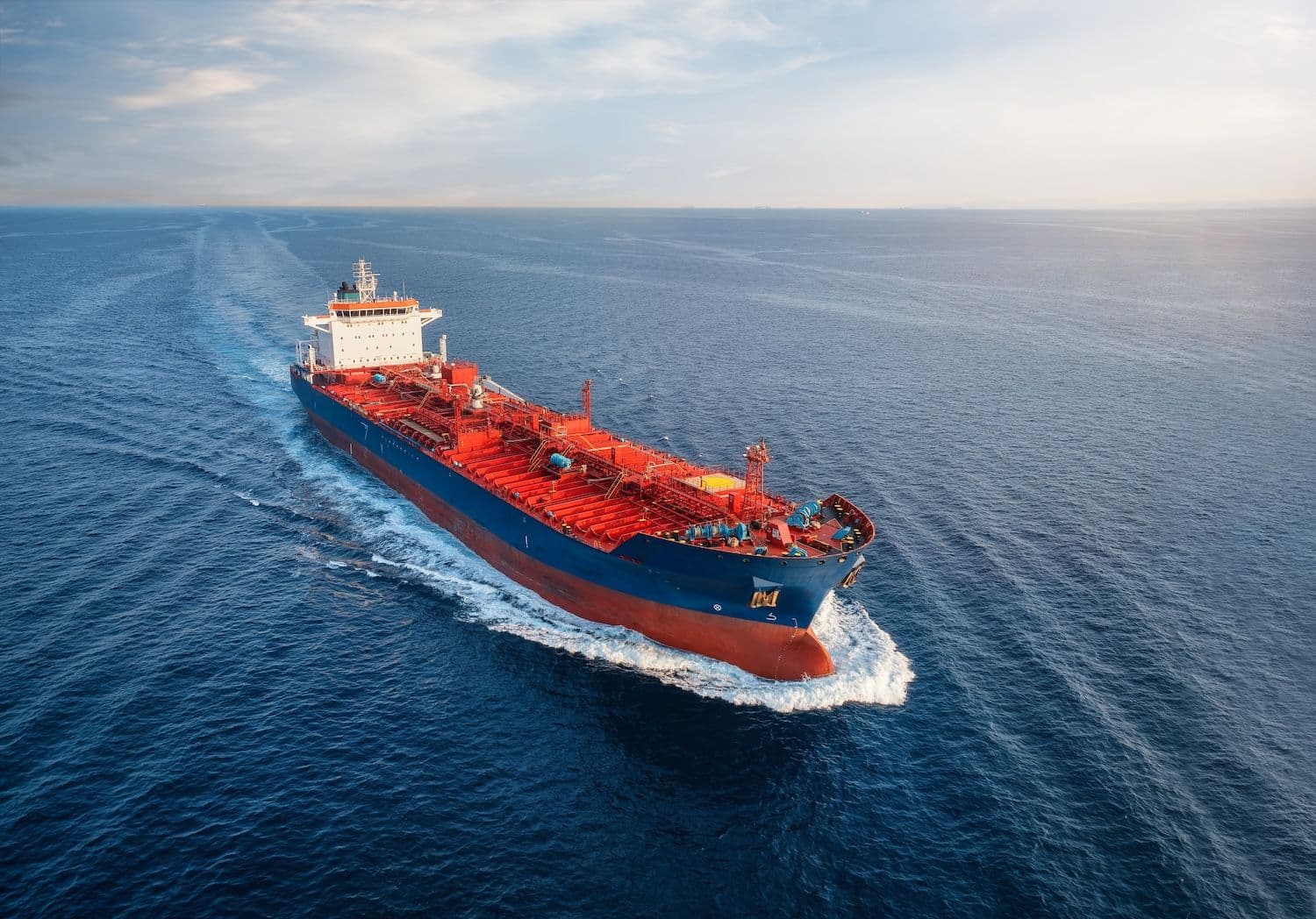
Escalating tensions over the Strait of Hormuz have placed oil prices at the center of a potential liquidity squeeze that could pressure Bitcoin (BTC) and the broader crypto market over the next four weeks, after President Donald Trump said the U.S. conflict with Iran could last a month and shipping giant Maersk suspended all transit through the critical corridor that carries roughly 20% of global crude supply.
What Happened: Hormuz Transit Halted
Polymarket reported on Mar. 1 that Maersk halted all shipping through the Strait, the narrow passage between Iran and Oman. Trump said the four-week timeline reflects military planning and acknowledges Iran's strength, while leaving room for future negotiations.
Goldman Sachs estimated that a full one-month closure of the Strait without offsets could add $15 per barrel to oil's fair value. Partial disruptions would carry smaller premiums, ranging down to $1 per barrel depending on severity.
Some analysts have projected crude could spike toward $120–$150 in an extreme scenario. Yet the market reaction has been choppy — the Kobeissi Letter noted that oil briefly erased nearly 70% of its initial surge, falling back below $70 per barrel.
"This is NOT World War 3. Ignore the noise," Kobeissi Letter analysts wrote.
Also Read: The OCC Just Proposed A Rule That Could Kill Coinbase's USDC Rewards Program
Why It Matters: Liquidity Tightening Risk
For crypto, the real threat is not oil itself but what sustained high prices do to monetary policy. Elevated crude feeds directly into transportation and manufacturing costs, lifting inflation readings and potentially forcing central banks to delay expected rate cuts.
That chain reaction — higher oil, higher inflation, rising Treasury yields, tighter liquidity — has historically hit Bitcoin hard. BTC has repeatedly traded as a high-beta liquidity asset, falling when real yields climb and capital rotates into bonds.
Analysts have flagged fears of a "domino effect" reaching the Taiwan Strait, which could deepen global trade disruption and amplify macro stress across risk assets including Ethereum (ETH) and Solana (SOL).
Over the coming weeks, oil will likely serve as crypto's leading indicator. A de-escalation that stabilizes crude could restore risk appetite quickly, but a sustained Hormuz disruption would shift the narrative from geopolitical noise to a full-scale liquidity event.
Read Next: Third-Worst Q1 Since 2013: Bitcoin And Ether Close A Quarter That Rivaled The 2018 Bear Market
