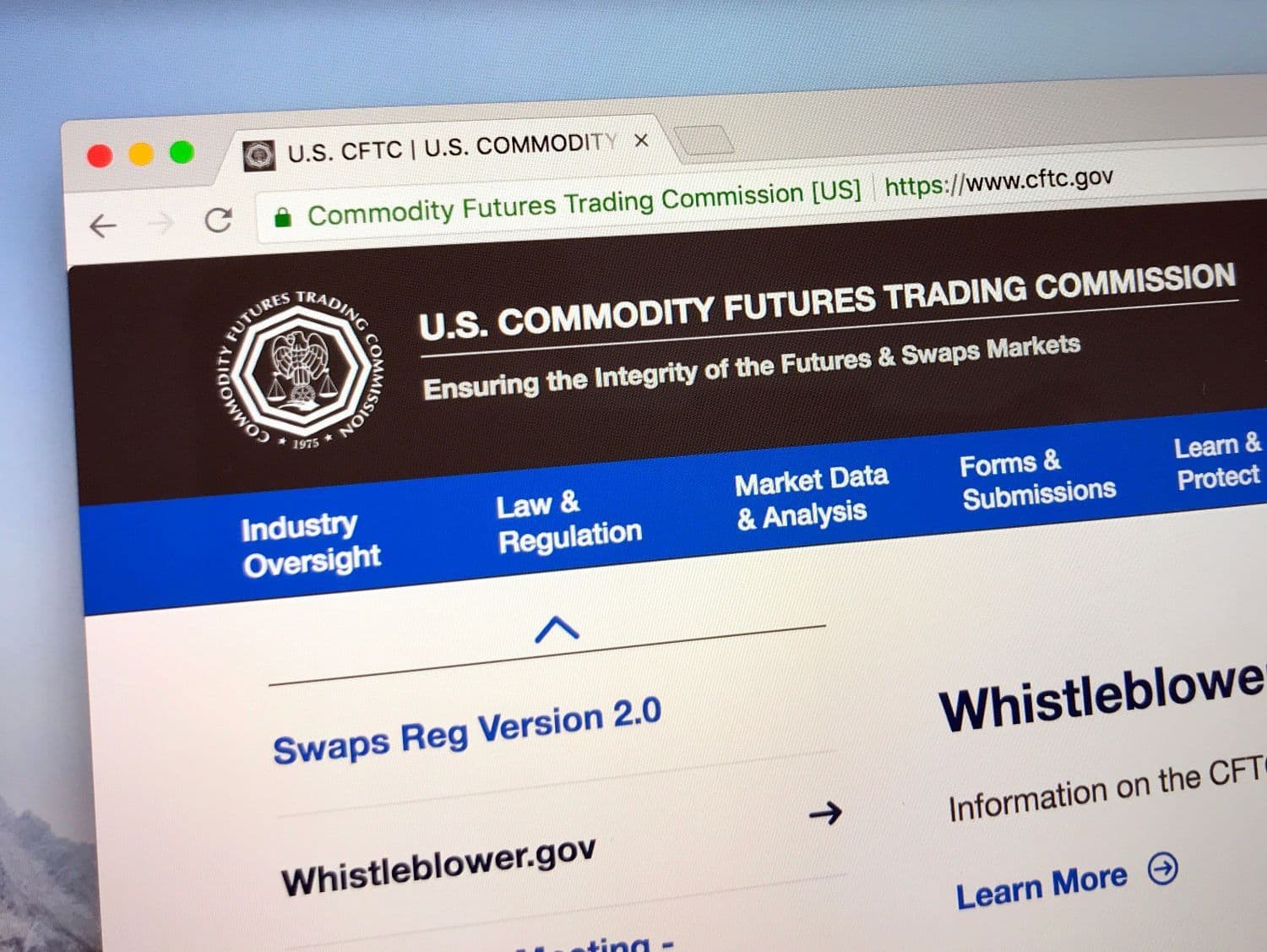
The Commodity Futures Trading Commission on Monday announced the launch of a pilot program that will allow Bitcoin, Ether, USDC, and other tokenized assets to be used as collateral in U.S. derivatives markets, a move the agency says provides long-needed regulatory clarity and formally integrates digital assets into the country’s regulated financial infrastructure.
Announced by Acting Chairman Caroline Pham, the program sets out a supervised framework for tokenized collateral, expands eligible assets, and removes earlier restrictions that the agency now considers obsolete following the passage of the GENIUS Act.
Pham said the agency aims to provide “clear guardrails to protect customer assets” while enabling responsible adoption.
“Americans deserve safe U.S. markets as an alternative to offshore platforms,” Pham said, adding that the pilot “establishes enhanced CFTC monitoring and reporting” for tokenized collateral and real-world assets such as U.S. Treasuries.
Pham described the initiative as part of a broader effort to usher in “America’s Golden Age of Innovation and Crypto.”
The action introduces detailed guidance on tokenized asset eligibility, legal enforceability, custody, valuation, and operational risks.
It also includes a no-action position allowing Futures Commission Merchants to accept non-securities digital assets, including payment stablecoins, as customer margin collateral.
For the first three months, collateral is limited to Bitcoin, Ether, and USDC, with weekly reporting requirements for oversight.
Also Read: Bitcoin’s Next Big Move May Be Violent: New Data Shows A Clash Between Holder Cohorts
The agency simultaneously withdrew a staff advisory, which had placed limits on accepting virtual currencies as collateral.
The CFTC said the advisory has been rendered obsolete by rapid market developments and the new statutory framework.
Major industry participants immediately welcomed the move.
Coinbase chief legal officer Paul Grewal said the decision “confirms what the crypto industry has long known that that stablecoins and digital assets can make payments faster, cheaper, and reduce risk.”
Circle president Heath Tarbert said the policy “supports 24/7 risk reduction” and strengthens U.S. dollar leadership.
Crypto.com CEO Kris Marszalek added that the guidance provides “regulatory certainty for the future,” enabling tokenized collateral to support U.S. margined derivatives for the first time.
The CFTC said its actions reflect stakeholder input, public comments, and recommendations from its Digital Asset Markets Subcommittee.
Read Next: Solana And XRP Just Did What Bitcoin Couldn’t And Institutions Are Rushing In