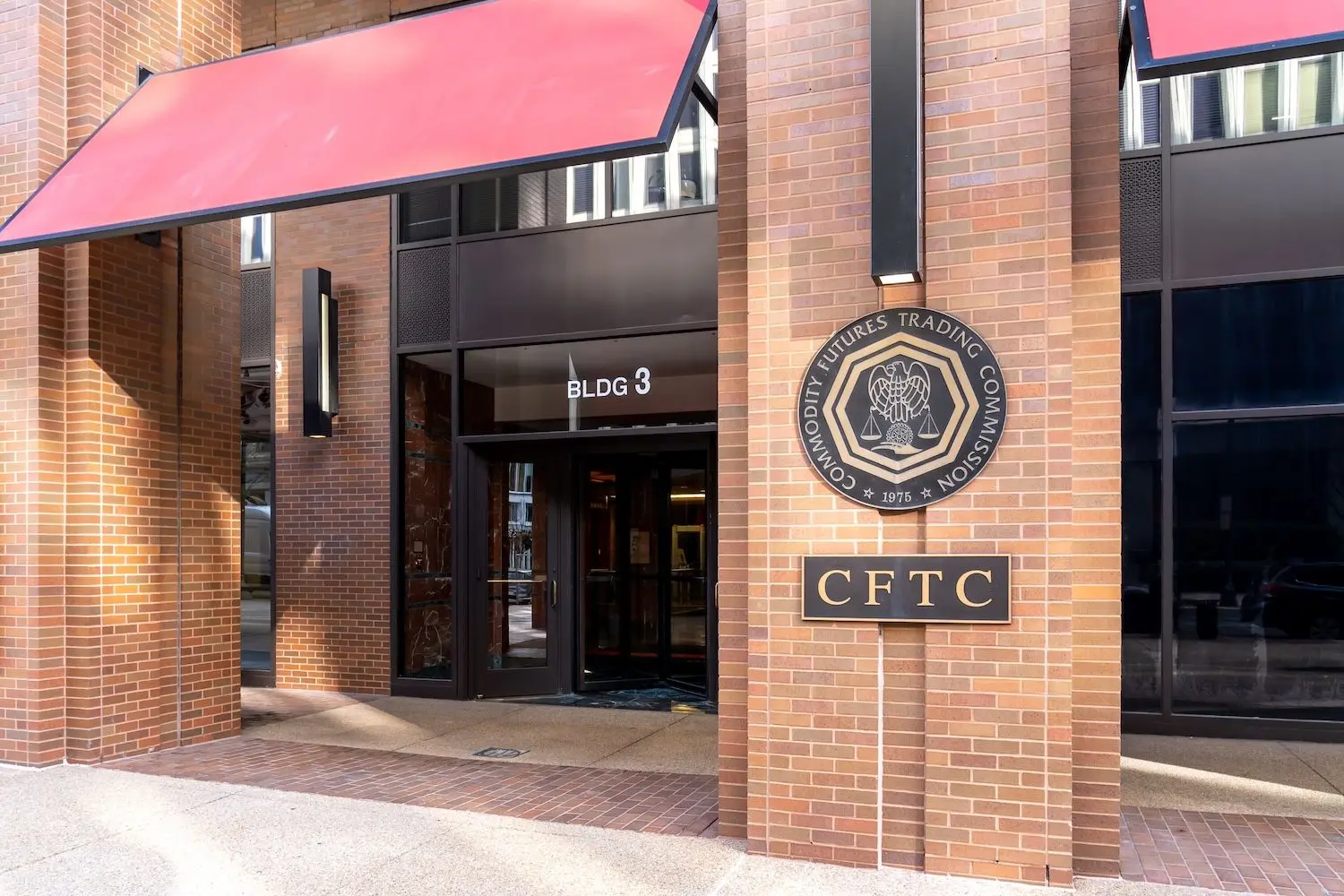
The U.S. Commodity Futures Trading Commission has eliminated its 2020 "actual delivery" guidance for virtual currencies, removing a regulatory barrier that had pushed crypto trading offshore for years.
Acting Chairman Caroline D. Pham announced the withdrawal on December 11, calling the framework outdated and incompatible with market maturity.
The move comes days after the CFTC launched a pilot program allowing Bitcoin, Ethereum, and USDC to serve as collateral in regulated derivatives markets.
What Happened
The withdrawn guidance, issued in March 2020, defined when a leveraged crypto purchase qualified as "actual delivery."
Under the rule, buyers needed full possession and control of digital assets within 28 days.
Failure to meet this standard classified the transaction as a futures contract, triggering the CFTC's strictest regulatory requirements.
This created prohibitive compliance burdens for federally regulated exchanges attempting to offer competitive leveraged products.
The withdrawal implements recommendations from President Trump's Working Group on Digital Asset Markets.
The CFTC is developing updated guidance and seeking public feedback through its "Crypto Sprint" initiative.
On December 9, the agency introduced a three-month pilot allowing futures commission merchants to accept BTC, ETH, and USDC as margin collateral.
Participating firms must submit weekly reports detailing digital asset holdings and notify regulators of any material incidents.
The pilot also withdrew Staff Advisory No. 20-34, which had restricted how virtual currencies could be held in customer accounts since 2020.
The Senate is advancing toward confirmation votes for Trump's nominees, including Mike Selig to lead the CFTC permanently.
Read also: SEC Clears DTCC for Asset Tokenization as Three Altcoins Stand to Benefit
Why It Matters
The restrictive 28-day rule had effectively forced U.S. retail traders toward unregulated offshore platforms.
By eliminating this barrier, the CFTC allows Bitcoin and Ethereum to be treated like traditional commodities under its technology-neutral framework.
The collateral pilot addresses a friction point that has kept institutional capital sidelined.
Crypto-native firms holding substantial Bitcoin can now use those holdings as margin without liquidating to cash.
Industry leaders welcomed the changes, with Coinbase Chief Legal Officer Paul Grewal stating the moves confirm digital assets can reduce risk in financial markets.
The combined regulatory reset positions U.S. markets to compete with offshore exchanges that have dominated crypto derivatives trading.
Read next: Coinbase Says November Crypto Selloff May Set Stage for December Recovery