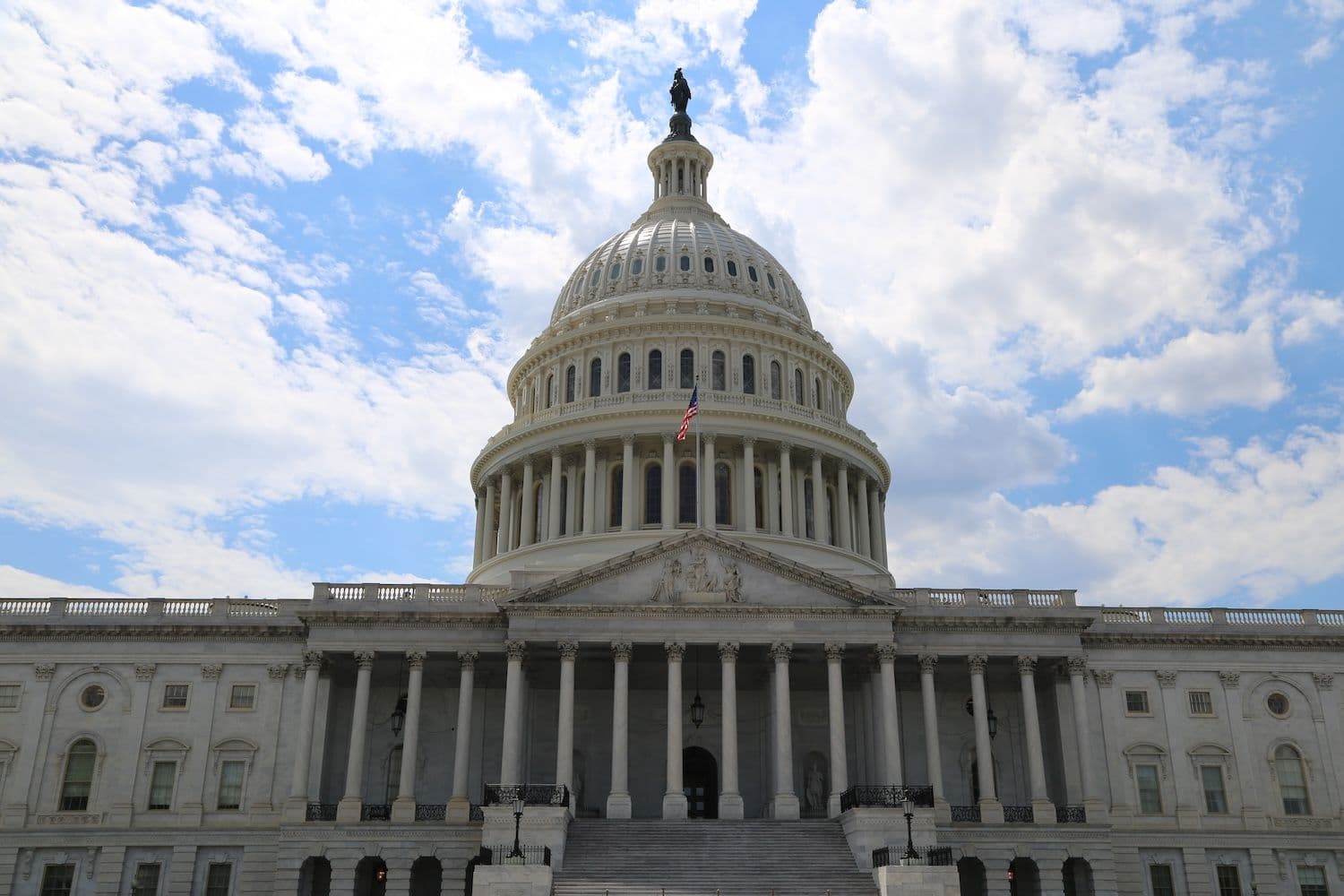
The U.S. Senate Banking Committee on Thursday advanced the Clarity Act by a 15-9 vote, moving the most significant crypto market structure bill yet a step closer to the full Senate.
Senate Panel Vote Details
The committee approved the measure largely along party lines, with Democratic Sens. Ruben Gallego of Arizona and Angela Alsobrooks of Maryland joining all Republicans in support, TheStreet and Bitcoin Magazine reported.
The bill draws statutory lines between the Securities and Exchange Commission and the Commodity Futures Trading Commission.
It ends years of overlapping jurisdiction over which agency regulates digital assets.
Chairman Tim Scott, R-S.C., said the digital asset sector had been trapped in a "regulatory gray zone" for too long, with developers and investors facing enforcement actions rather than clear rules.
Sen. Mark Warner, D-Va., quipped after months of talks that he was "in crypto purgatory."
The House passed its own version of the bill 294-134 in July 2025, meaning the two chambers must still reconcile differing texts before any final measure reaches the president's desk.
Also Read: Ripple's Schwartz Says Bitcoin's Mining Model Is The Flaw XRP Avoided
Industry Backers, Banking Pushback
Coinbase, Circle, Ripple and venture firm Andreessen Horowitz championed the measure, arguing that predictable oversight would unlock institutional capital. The White House engaged directly in talks between banks and crypto groups.
Banking trade associations warned that activity-based rewards on stablecoins could drain customer deposits and shrink the pool of capital available for lending.
Crypto advocates countered that the bill permits rewards only when stablecoins are spent on goods or services.
Major labor groups, including the AFL-CIO, told senators that legitimizing digital assets could threaten retirement and pension accounts. Law enforcement groups argued the text falls short on illicit finance controls.
Coinbase chief executive Brian Armstrong called the latest version a "true compromise" between the banking and crypto industries. Ripple CEO Brad Garlinghouse said his company stands behind the bill.
The Long Road Ahead
The measure must still clear the full Senate on a 60-vote threshold, then be reconciled with the House version before heading to President Donald Trump's desk. The White House has set July 4 as its target for a presidential signature.
The Clarity Act has stumbled for nearly a year. A January markup was pulled after Coinbase briefly withdrew support over stablecoin yield language, and two earlier Senate sessions were canceled before negotiators landed on the compromise text released May 11.
Read Next: Coinbase Opens $100K USDC Loans Against Solana Token Holdings