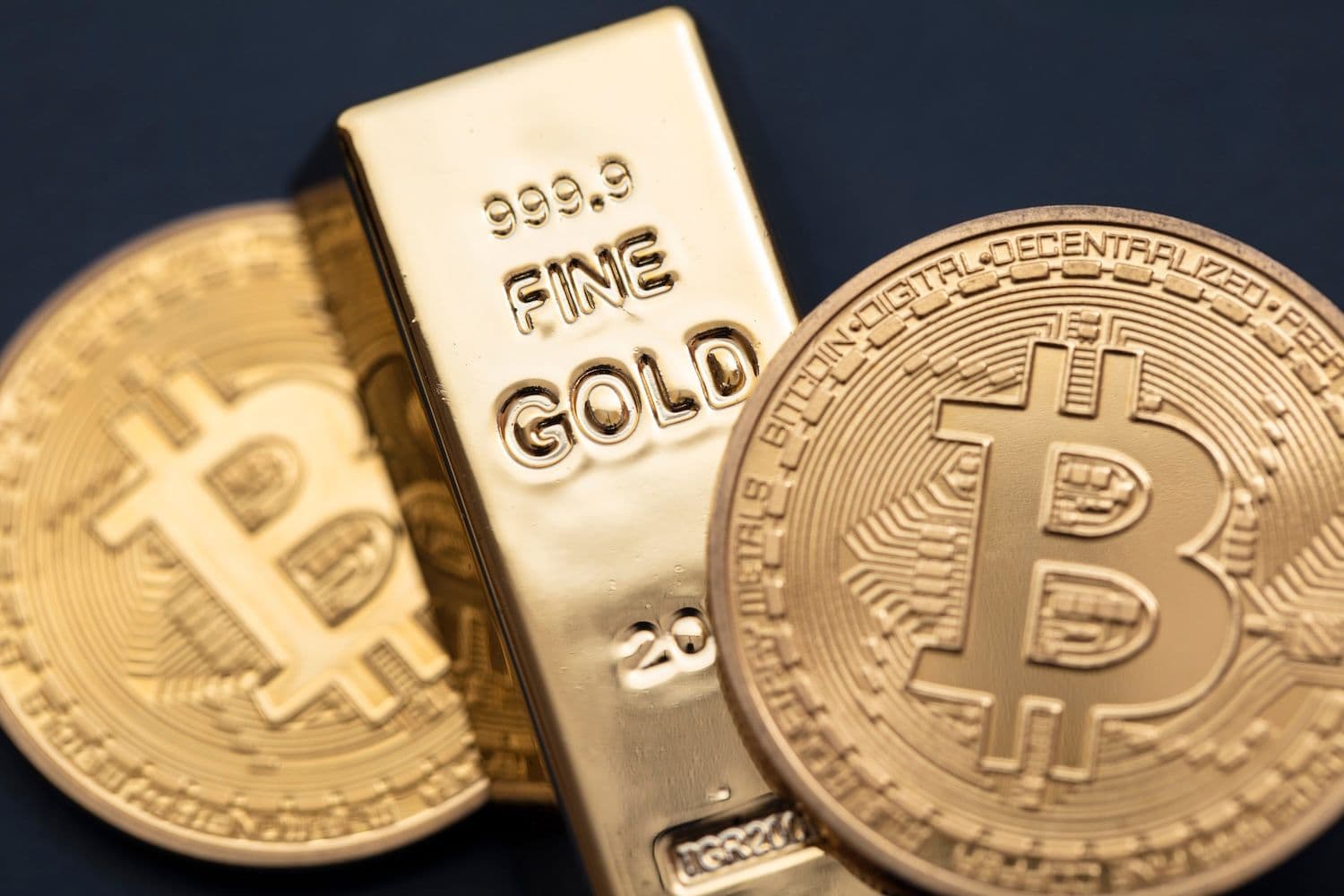
Gold posted its worst weekly performance since 1983 this week, falling 11% to approximately $4,488 per ounce as rising oil prices from the Iran conflict removed a key tailwind for the precious metal and the Federal Reserve confirmed it expects just one rate cut in 2026.
The decline erased a significant portion of gold's record-setting rally that had pushed it to an all-time high of approximately $5,589 on January 28.
Gold's traditional safe-haven appeal has inverted since the U.S.-Israel strikes on Iran began February 28.
Rather than rising on geopolitical stress, the metal has lost more than 14% since the conflict began, while the energy shock from disruptions to the Strait of Hormuz is feeding inflation expectations - giving the Fed reason to hold rates restrictive rather than cut them.
Why Rates Matter for Gold
Gold pays no yield, so the metal becomes less competitive against bonds when borrowing costs remain elevated.
The Federal Reserve held its benchmark rate at 3.5%–3.75% on Wednesday, with Fed Chair Jerome Powell warning that higher energy prices would push inflation higher near term.
The Fed's updated dot plot now shows a median forecast of only one rate cut in 2026. That shift has effectively reversed one of gold's primary support factors.
At the same time, a rebounding U.S. dollar has made gold more expensive for international buyers, compounding selling pressure from leveraged funds liquidating embedded gains.
Read also: Bitcoin Mining Difficulty Falls 7.76%
Bitcoin Diverges From Gold
Bitcoin (BTC) has moved in the opposite direction. The cryptocurrency has gained approximately 11.6% since the conflict began, trading near $70,535 at time of writing.
That divergence has been cited by some analysts as evidence that investors are treating Bitcoin as a geopolitical hedge rather than a traditional risk asset - though its behavior has varied considerably across prior stress events.
Over the past 12 months, however, gold remains the stronger performer: up approximately 48.5% compared to Bitcoin's 16.5% decline over the same period.
Despite the current sell-off, Wall Street banks have not yet revised their year-end targets. J.P. Morgan maintains a $6,300 per ounce target for 2026; Deutsche Bank stands at $6,000.