The July jobs report weakened the case for another Federal Reserve rate hike, but market strategists said the softer labor data does not automatically create a clean risk-on setup for Bitcoin (BTC) or other speculative assets because oil-driven inflation risk, recession concerns and liquidity conditions still matter.
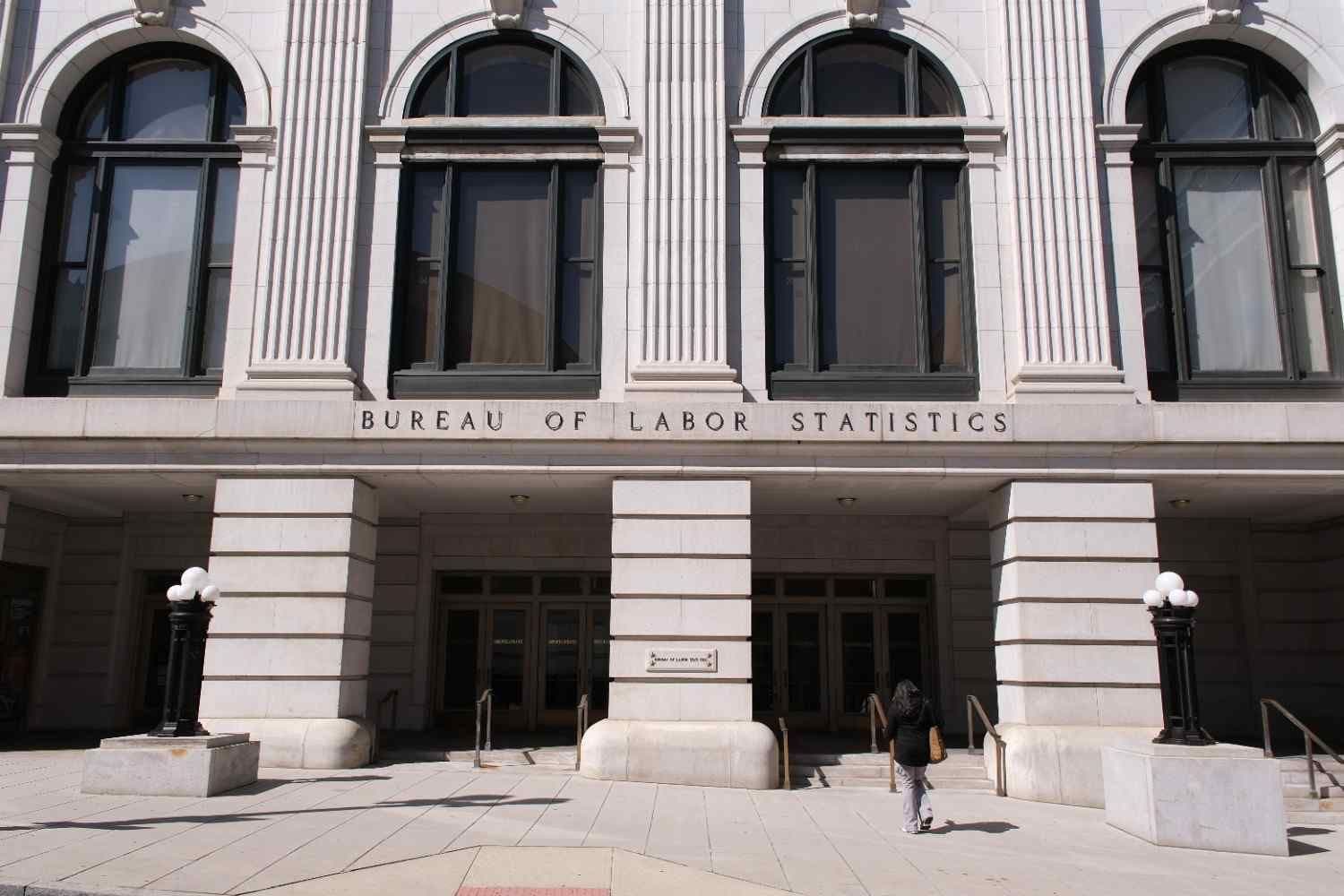
The U.S. economy unexpectedly lost jobs in July, according to data released Friday by the Bureau of Labor Statistics. Nonfarm payrolls fell by 23,000, missing expectations for an increase of roughly 80,000 to 85,000.
The weakness was reinforced by downward revisions to prior months. June payrolls were revised to a gain of 20,000 from the previously reported 57,000, while May was revised to 63,000 from 129,000. Together, prior months were revised lower by 103,000 jobs.
The unemployment rate, however, dipped to 4.1% from 4.2% in June, while average hourly earnings rose only 0.1%. On a 12-month basis, wage growth slowed to 3.2%, below expectations for 3.5%. Employment declined in local government, education and retail trade, while healthcare continued to trend higher.
The report makes a September rate hike by the Fed less likely, but it does not remove uncertainty around policy. The central bank is still weighing softer labor data against an inflation backdrop complicated by energy prices, shipping risks and geopolitical tensions.
Soft Jobs Data May Not Mean Immediate Crypto Relief
For digital assets, the market question is whether the payrolls miss is weak enough to support rate-cut expectations, or too weak because it raises concerns about growth.
Ryan Lee, chief analyst at Bitget Research, said the print creates two possible readings for markets.
“A softer-than-expected payrolls print introduces two distinct possibilities,” Lee said. “A modest downside surprise could strengthen expectations that the Fed has greater scope to ease policy, providing support for risk assets, including crypto.”
He warned, however, that a much weaker report could produce the opposite reaction first, as traders move into safety before rate-cut optimism takes over.
“Any durable move higher is likely only after volatility has flushed weaker positioning, and will still depend on subsequent inflation data, Fed communication and broader liquidity conditions,” Lee said.
That makes the payrolls report important not only for the September decision, but also for the Fed’s messaging at Jackson Hole. A softer labor market gives policymakers more room to pause, but it does not guarantee a dovish pivot if inflation risks remain unsettled.
Warsh May Look Through One Weak Print
The cautious reading was echoed by Iggy Ioppe, chief investment officer at Theo and former head of a $1 billion-plus long-short proprietary trading group at Credit Suisse.
Ioppe said Fed Chair Kevin Warsh is unlikely to change course because of one jobs report while energy markets remain unstable.
“The more important point is that Warsh has already shown he will not be bounced by one data point while the oil spike and shipping risks in the Strait of Hormuz and Red Sea keep the inflation picture messy,” Ioppe said.
He argued that policy remains easier than inflation and the labor market have justified for some time, meaning a weaker jobs number does not automatically close the gap.
Also Read: Wintermute Moves Beyond Crypto With $10B In Daily Trading Volume
For markets, that creates a mixed setup. Bitcoin and other risk assets can still benefit from the Fed’s continued inaction, but the same geopolitical energy risk keeping policymakers cautious also limits upside. Ioppe said gold remains relevant as a hedge, while investors focus on yield until a clearer catalyst appears.
Liquidity Conditions Remain the Real Test
Fabian Dori, chief investment officer at Sygnum Bank, said the Fed still has two filters to apply before treating the July report as a reason to ease.
The first is whether policymakers view the softness as genuine demand weakness or look through it because inflation credibility and oil-related risks remain concerns. The second is the quality of the slowdown.
“An orderly slowdown supports the liquidity relief case, while a print weak enough to raise growth concerns can still pressure risk assets even as rate odds move,” Dori said.
For crypto, he said the key distinction is between temporary rate-relief pricing and actual liquidity improvement. That means digital assets will still be shaped by Treasury cash balances, the enhanced supplementary leverage ratio, private credit creation and stablecoin flows, alongside Fed policy.
His comment points to a broader issue for crypto markets. Lower hike odds can help sentiment, but Bitcoin typically needs easier liquidity, stronger flows or clearer risk appetite to sustain a move higher.
Options Market Will Show Whether Traders Trust the Rally
The next signal may come from Bitcoin options.
Andrei Grachev, managing partner at DWF Labs, said a weak payrolls report reduces the case for another hike, but the real test is whether traders reduce their defensive positioning.
“A weak number reduces the case for another hike, and the first place to look is whether the downside premium comes off,” Grachev said.
He said puts for end-August expiry have been priced around 50% higher than calls with similar odds of paying out. If that gap narrows after the soft jobs print, it would suggest the market’s caution was mainly about rates. If it holds, traders may be hedging broader risks that one dovish data point cannot resolve.
“Upside positioning is already rebuilt at $70,000, so the market is prepared for the move without being convinced by it,” Grachev said.
The July payrolls report therefore gives risk assets an opening, but not a clean path. The data weakens the case for another hike, yet it also raises questions about growth and leaves the Fed watching inflation, oil prices and liquidity before shifting its stance.
Read Next: Zeus Wallet Goes Offline After Attack, But No Customer Funds Were Lost