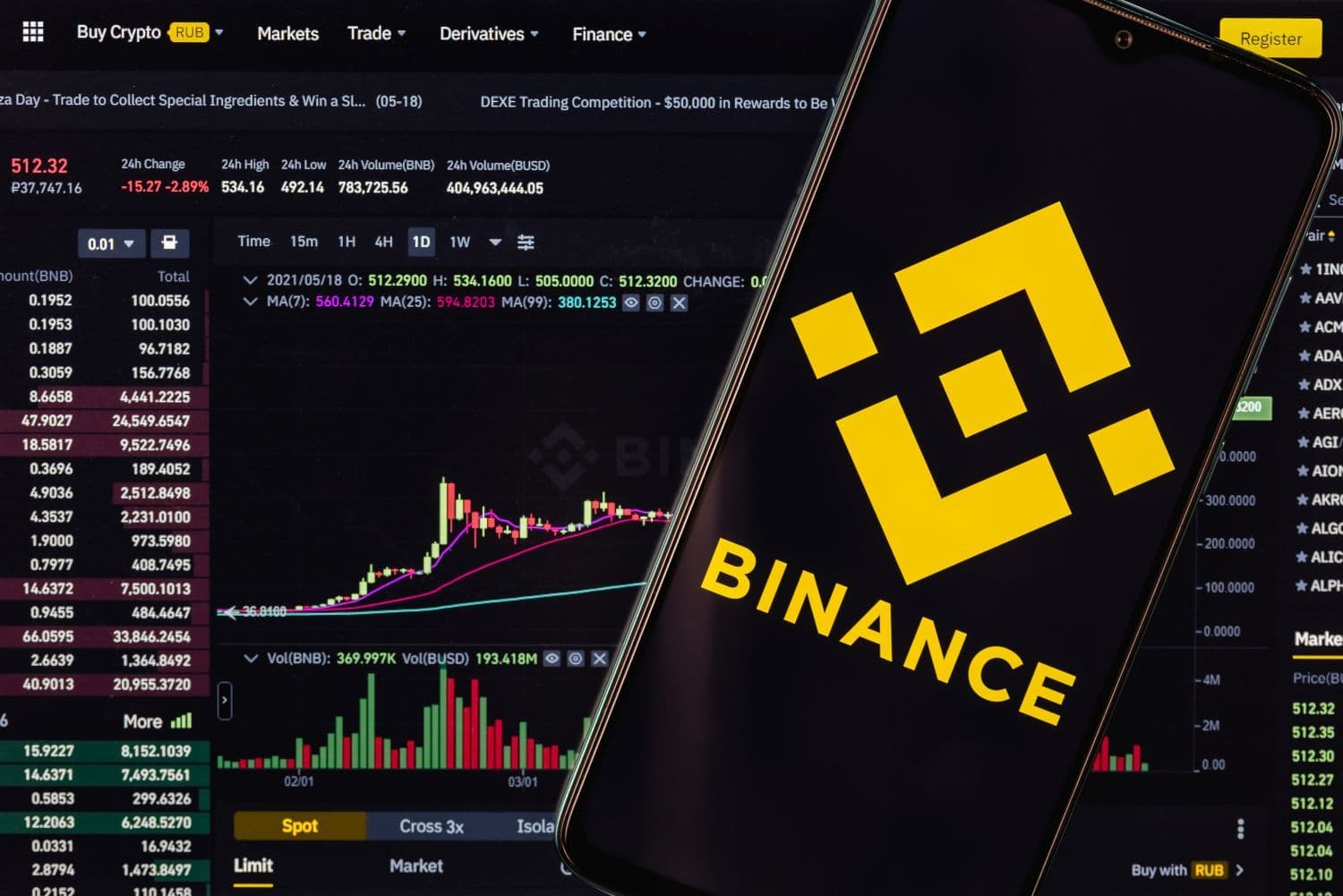
Binance on Thursday introduced an Indication of Interest (IOI) feature, that marks a notable development in the cryptocurrency market structure, bringing a mechanism commonly used in equities and foreign exchange into a sector that has historically relied on public order books and informal OTC channels.
What Happened
The IOI system allows institutional participants to signal non-binding interest in buying, selling, borrowing, or lending large amounts of assets without immediately displaying those intentions publicly.
In traditional markets, IOIs serve as a way to identify potential counterparties while minimizing signal leakage that could move prices.
Their appearance in crypto suggests that exchanges are beginning to formalize processes that, until now, have taken place largely in private broker networks or fragmented communication channels.
The introduction of IOIs does not change how most retail users interact with markets, but it could alter how block-size trades are negotiated and executed.
Large orders placed directly on public books can create slippage, widen spreads, or trigger automated trading responses.
Providing a separate channel for size discovery may reduce those effects, though it also raises questions about how transparency and price discovery evolve if more volume is negotiated off-screen.
The move also aligns with a broader shift in crypto participation.
Also Read: Data Shows Bitcoin Enters 'Cost-Basis Cycle' Era As ETFs Redefine Market Structure
Why It Matters
As institutions increase activity across spot, lending, and structured products, exchanges are adjusting their infrastructure to accommodate execution methods that mirror traditional finance.
Whether IOIs eventually lead to further segmentation, such as conditional orders, midpoint matching, or dedicated institutional liquidity pools, remains to be seen, but the introduction reflects a market preparing for more varied order-handling requirements.
The development comes at a time when overall market volatility and liquidity conditions remain uneven across different tokens.
For less liquid assets, execution quality can fluctuate sharply, and features designed to limit market impact may become more common across venues.
“Binance continues to lead the development of institutional crypto trading by delivering tools that prioritize liquidity and efficiency. Our Indication of Interest feature aligns with TradFi standards and meeting the sophisticated requirements of institutional traders who need to execute large transactions, Catherine Chen, Head of VIP & Institutional at Binance, said.