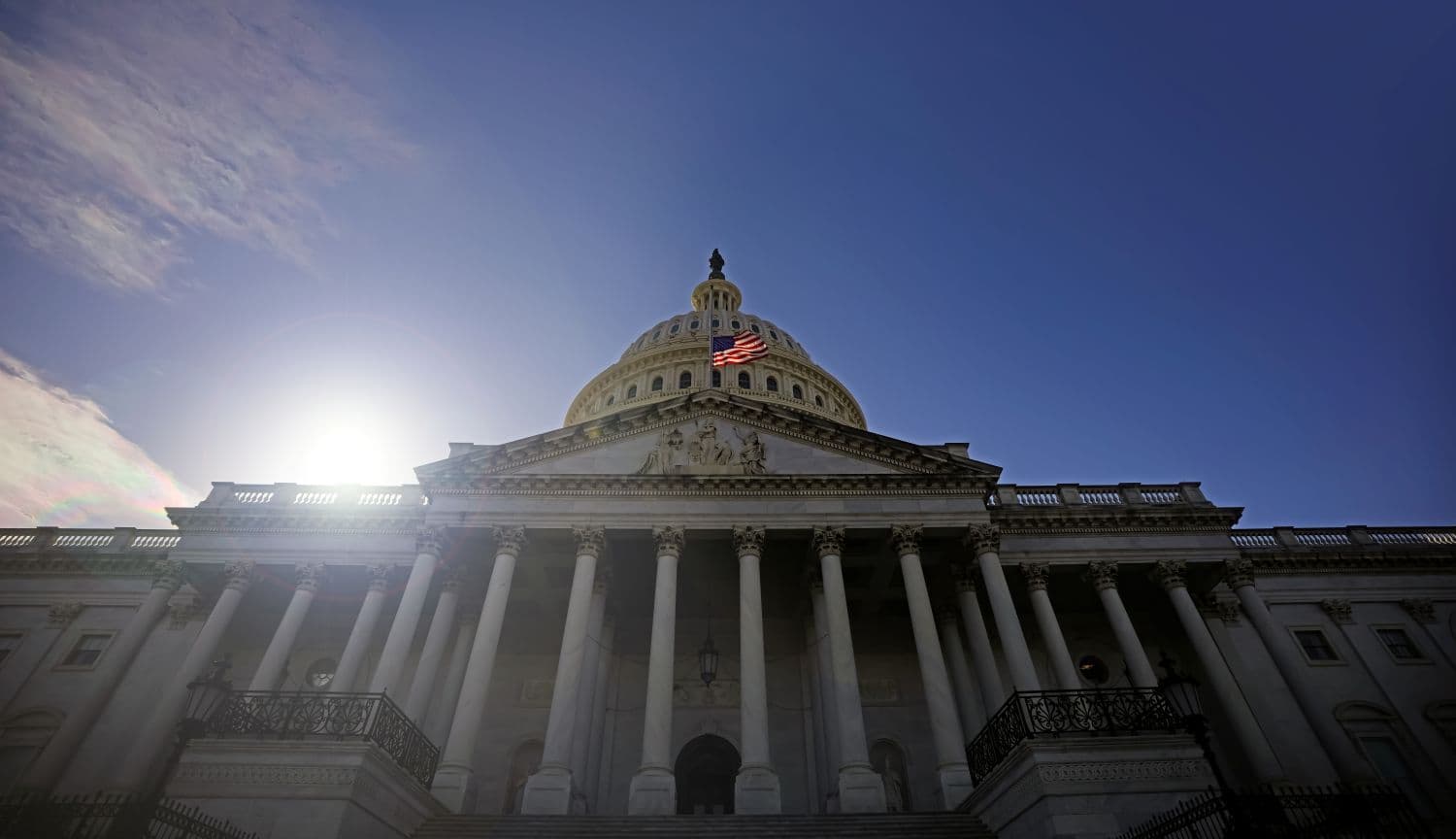
Senate Banking Committee Chairman Tim Scott said lawmakers are preparing to advance a sweeping cryptocurrency market structure bill next week, arguing that clearer rules for digital assets could play a direct role in improving affordability and expanding financial access for Americans. In an interview with Breitbart news on Tuesday, Scott said the Senate Banking Committee is scheduled to vote on the legislation, known as the CLARITY Act, following months of internal negotiations and multiple draft revisions circulated among committee members.
The bill is designed to establish a regulatory framework for the cryptocurrency industry that Scott described as deliberately “light-touch” while still providing guardrails for consumers and markets.
Scott said the legislation aligns with broader Republican efforts in 2026 to focus on affordability, positioning crypto policy as an economic tool rather than a niche technology issue.
He argued that clearer market rules could reduce transaction costs, expand competition, and allow Americans to move money more efficiently through always-on, digital financial systems.
A Push To Tie Crypto Policy To Affordability
Scott framed the legislation as part of a broader economic agenda centered on lowering costs and increasing financial flexibility.
He said market structure rules could help everyday users by improving access to financial services, increasing choice, and supporting real-time transactions that operate beyond traditional banking hours.
Drawing on his own background growing up in poverty, Scott said expanded financial access could have meaningful consequences for families struggling to make ends meet.
He linked the bill’s goals to what he described as an effort to reverse economic pressures felt by households in recent years.
The senator emphasized that the committee has spent more than six months refining the proposal, aiming to ensure lawmakers are fully informed ahead of the upcoming markup vote.
What The CLARITY Act Seeks To Do
While the bill’s final language is still being finalized, Scott outlined several core objectives.
These include reducing transaction costs by encouraging competition, establishing clearer definitions so companies understand which rules apply to them, and strengthening consumer and investor protections.
The legislation also seeks to install safeguards against money laundering and illicit finance, while clarifying how different segments of the crypto ecosystem should be regulated at the federal level.
One key focus is defining the treatment of decentralized finance under U.S. law, as well as drawing a sharper line between the oversight roles of the Securities and Exchange Commission and the Commodity Futures Trading Commission.
Supporters say clearer jurisdictional boundaries could reduce regulatory uncertainty that has pushed some crypto companies to operate outside the United States.
Keeping Crypto Jobs In The U.S.
Scott said the bill is also intended to ensure that future crypto-related jobs, investment, and innovation remain in the U.S. rather than migrating overseas.
L76awmakers have increasingly framed market-structure legislation as a competitiveness issue, arguing that prolonged uncertainty risks ceding leadership in digital finance to other jurisdictions.
The senator said he is confident the bill can advance out of committee and move through the Senate, ultimately reaching President Donald Trump for signature.
Scott described Trump’s broader economic agenda as supportive of making the U.S. a global hub for crypto and financial innovation.
He added that market-structure reform is central to maintaining America’s economic position, arguing that regulatory clarity will play a decisive role in shaping the country’s long-term competitiveness in digital assets.
Read Next: MSCI Pauses Bitcoin Company Exclusion, Preventing Forced Selling Wave From Passive Funds