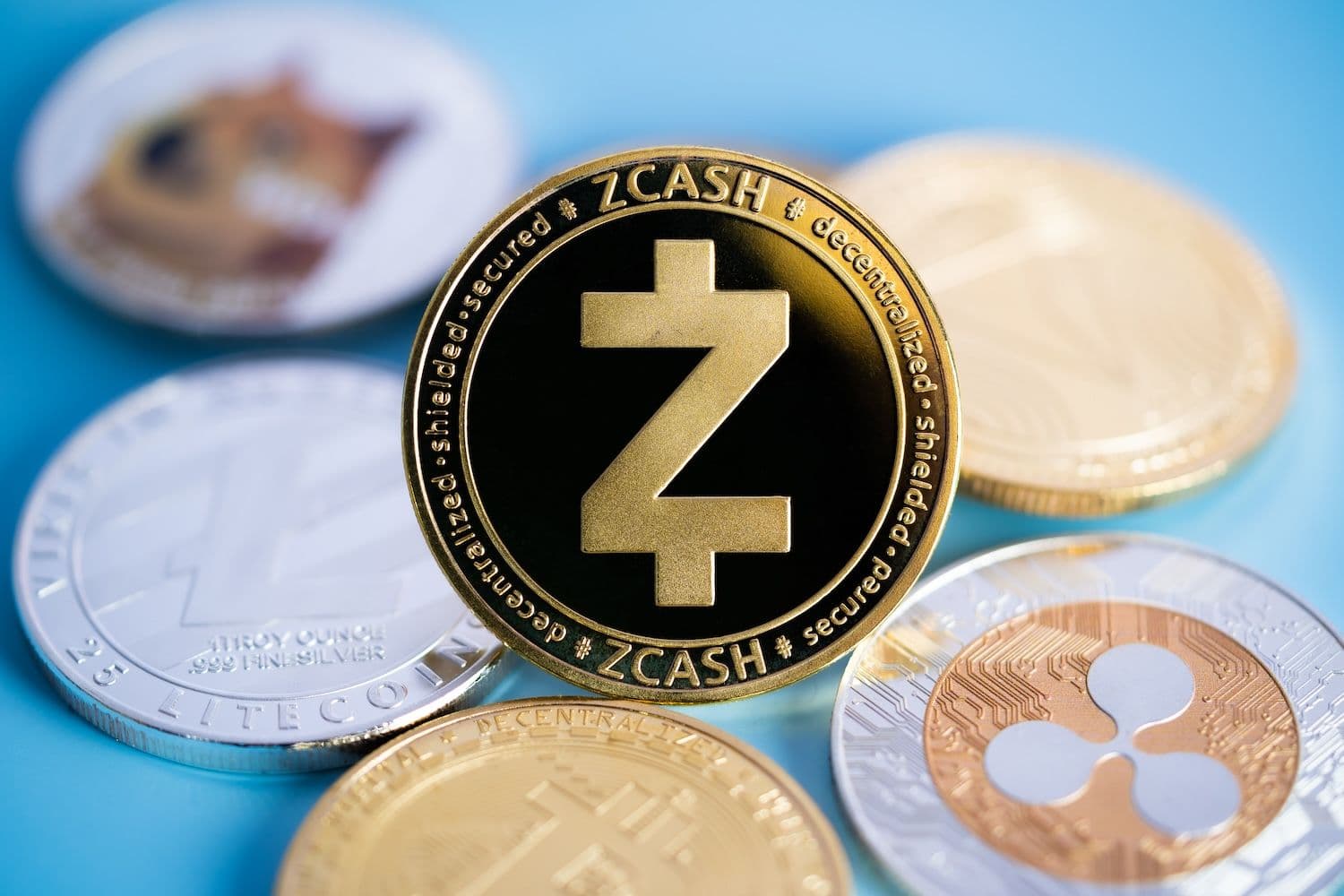
Zcash (ZEC) activated Ironwood, sealing a $1.7 billion private pool and forcing funds through a deposit-limited migration gate.
Key Points:
- Ironwood retired Orchard and opened a replacement shielded pool with no ZEC at activation.
- Orchard held about 3.66 million ZEC, valued near $1.7 billion.
- The migration turnstile blocks withdrawals above verified deposits, isolating any counterfeit ZEC left inside.
Zcash Ironwood Migration
Zcash activated Ironwood, formally NU6.3, at block 3,428,143 on Jul. 28 as planned, CoinDesk reported. The new pool began with zero ZEC.
Owners must move funds individually, and the only exit from Orchard runs through a turnstile that limits withdrawals to the pool's verified deposits. Transfers crossing the pool boundary remain public, although amounts and participants inside shielded transactions stay hidden through zero-knowledge proofs.
Shielded Labs researcher Taylor Hornby found on May 29 that Orchard's proof circuit could allow counterfeit ZEC to be created without an onchain trace. The bug had existed since May 2022. Developers patched it within days, but they could not reconstruct four years of private transactions or prove that no counterfeit coins had entered circulation.
Also Read: Ethereum And Solana Get Their Cheapest ETFs Yet From Morgan Stanley
Zcash Security Protections
A July report from CoinDesk Research found no signs of exploitation because Orchard's balance rose steadily, even during last year's price rally, when selling counterfeit ZEC would have been attractive. Still, the pool's privacy prevents certainty.
Ironwood addresses that uncertainty by trapping any unverified surplus inside Orchard, while allowing legitimate deposits to migrate into a pool that cannot inherit hidden inflation. It also uses ZIP 2005 records designed to remain recoverable if quantum computers break current cryptography, while formal verification aims to prove the new circuit works across every possible case.
About 1,500 ZEC had entered Ironwood by press time, and ZEC remained roughly tenfold higher year over year despite recent losses. It traded near $463 before activation. The token fell 8% that day and 15% for the week.
Read Next: iPhone Air 2 Slips To Spring 2027 — Here's What Apple Fixed