Crypto executives and analysts are turning to U.S. regulators after the CLARITY Act fell short of the 60 Senate votes it needed to advance on Tuesday.
Key Points:
- The Senate failed to advance the CLARITY Act in a procedural cloture vote.
- Industry leaders now look to the SEC and CFTC to write crypto rules.
- Analysts warn firms face more uncertainty as Congress runs short on time.
CLARITY Act Vote
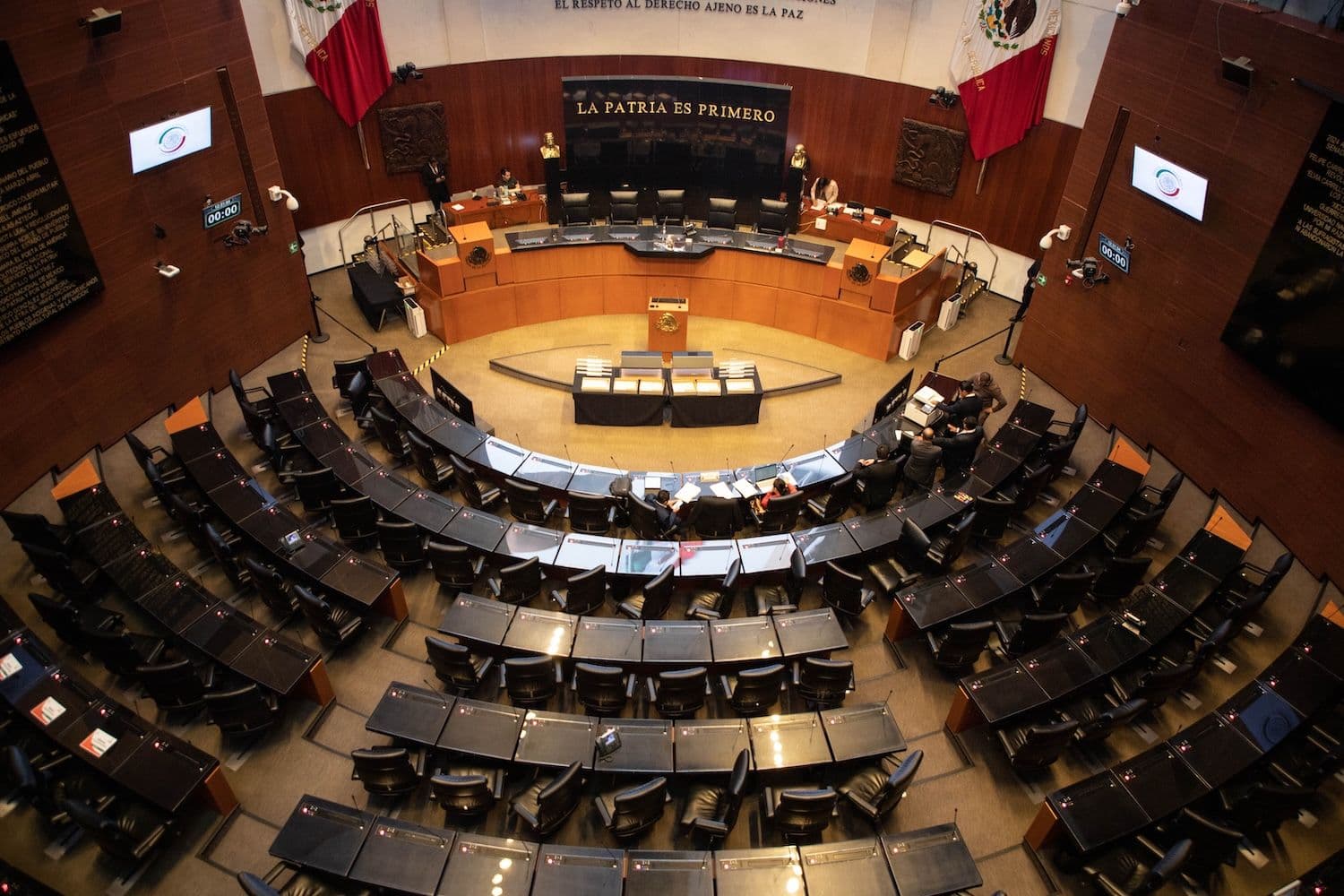
Industry leaders turned to the Securities and Exchange Commission and the Commodity Futures Trading Commission after the Senate on Tuesday rejected a procedural cloture motion on the market structure bill. The measure would have split crypto oversight between the two agencies. Bitcoin (BTC) slipped to about $76,000 as the vote unfolded, while shares of crypto companies extended their earlier losses.
Brad Garlinghouse, chief executive of Ripple, said the SEC under Chair Paul Atkins and the CFTC under Chair Michael Selig would keep working hard on rules to fill the legislative gap. Atkins renewed his own commitment on Monday at the Solana Policy Institute Summit, saying the SEC would deliver clearer crypto rules with or without help from Congress.
Also Read: XRP Futures Reach 6-Month High As Utility Growth Outpaces Price
Vaidyanathan Warns Firms
Not everyone sees agency rulemaking as a lasting fix.
Abhishek Vaidyanathan, chief legal officer at NEAR, said rejecting the bill leaves companies completely dependent on agency guidance and ongoing administrative discretion. He added that firms drawing up 2027 budgets would face another prolonged delay, forcing them back into case-by-case judgments and repeated legal work. Counterparties, he said, will keep pricing in regulatory uncertainty.
Alvin Kan, chief operating officer at Bitget Wallet, pointed to continued uncertainty over how securities, commodities and money-transmission rules apply across different products. Orest Gavryliak, chief legal officer at 1inch, took a softer view and called the result a delay rather than a verdict, arguing that bills of this scale rarely move in a straight line.
CLARITY Act Odds
A revival remains possible because Sen. Thom Tillis switched his vote to no, a procedural step that keeps a motion to reconsider alive and could allow another cloture vote. Vaidyanathan called the next Congress the likely next chance to address market structure, noting the House canceled its weeks of Sept. 21 and 28 and the Senate breaks Oct. 5 before the Nov. 3 election. Polymarket odds on 2026 enactment reportedly fell to 5%.
The defeat tracked warnings from Jaret Seiberg, a policy analyst at TD Cowen, who had put the chance of a failed opening vote at 60% and said a loss would likely mean Democrats found Republican changes insufficient. A day earlier, Seiberg wrote that Democrats were being handed a final product rather than a negotiated deal, and he kept his odds of enactment this year at 25%.
Read Next: Iran Sold Oil, Chinese Firms Took The Crypto, Now The DOJ Wants $61M