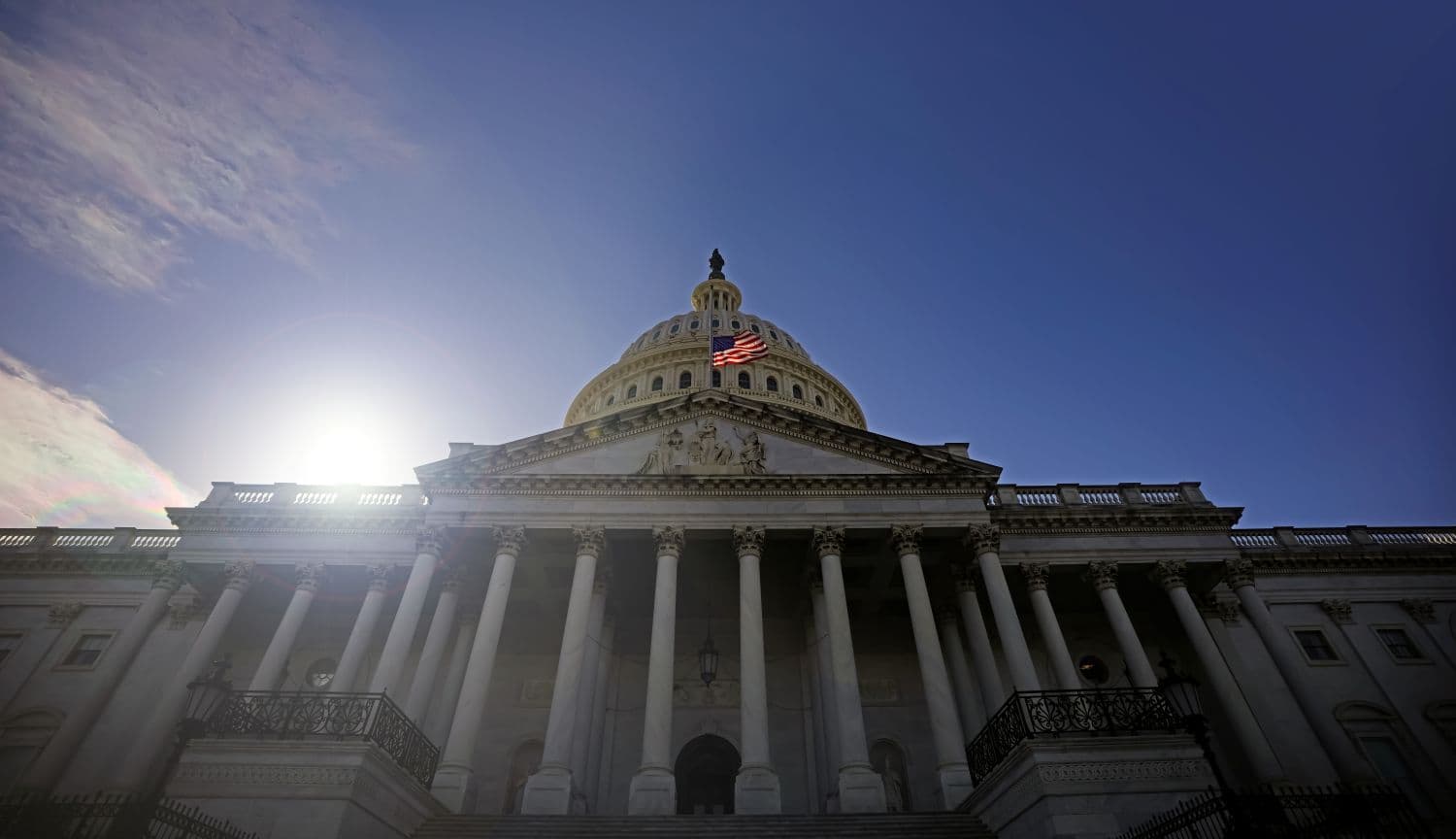
The U.S. cryptocurrency market structure bill faces a narrow legislative window, with a veteran Washington policy expert warning that July is the last viable deadline before the push risks collapsing until after November's midterm elections.
The prediction came as President Donald Trump publicly attacked banks on Tuesday for blocking the legislation, and Polymarket odds for passage in 2026 climbed to roughly 85%.
The bill in question - formally the Digital Asset Market Clarity Act, passed by the House in July 2025 with 294-134 votes - remains deadlocked in the Senate, split between competing drafts from the Banking and Agriculture committees.
Stablecoin yield is the central sticking point: banks warn that allowing cryptocurrency exchanges to pay interest on stablecoin holdings could trigger deposit outflows of up to $6.6 trillion, while the cryptocurrency industry argues the practice was already permitted under last year's GENIUS Act.
What Happened
Kristin Smith, president of the Solana Policy Institute and former head of the Blockchain Association, told Fortune this week that the Senate Banking Committee must advance a markup in March or April for the bill to reach a floor vote by July.
Missing that date would push the next opportunity to the fall, with the midterm election season further compressing the calendar.
The Senate Agriculture Committee advanced its companion measure 12-11 on a party-line vote in January, but the Banking Committee postponed its own markup after Coinbase CEO Brian Armstrong withdrew support, objecting to the draft's restrictions on stablecoin yield. The informal White House deadline of March 1 passed without a resolution.
Read also: Florida Becomes First U.S. State To Pass A Stablecoin Law, Eyes DeSantis Signature
Why It Matters
Smith identified White House involvement as the key variable distinguishing this attempt from prior failures.
Crypto adviser David Sacks and aide Patrick Witt are personally mediating between cryptocurrency companies and banking lobbyists, while traditional financial firms have entered negotiations for the first time, either to protect competitive interests or to shape the bill's final terms.
On Tuesday, Trump posted on Truth Social that banks were holding the Clarity Act "hostage" and warned that regulatory inaction would push the industry to China. Sen. Elizabeth Warren (D-Mass.) remains a structural obstacle: her opposition as the ranking Democrat on the Banking Committee blocks the procedural tactic of attaching the bill to must-pass legislation.
Democratic senators Chuck Schumer (N.Y.) and Ruben Gallego (D-Ariz.) have expressed support, though no bipartisan deal has emerged.
Read next: Strike Clears New York's BitLicense To Offer Bitcoin Brokerage And Bill Pay To State Residents