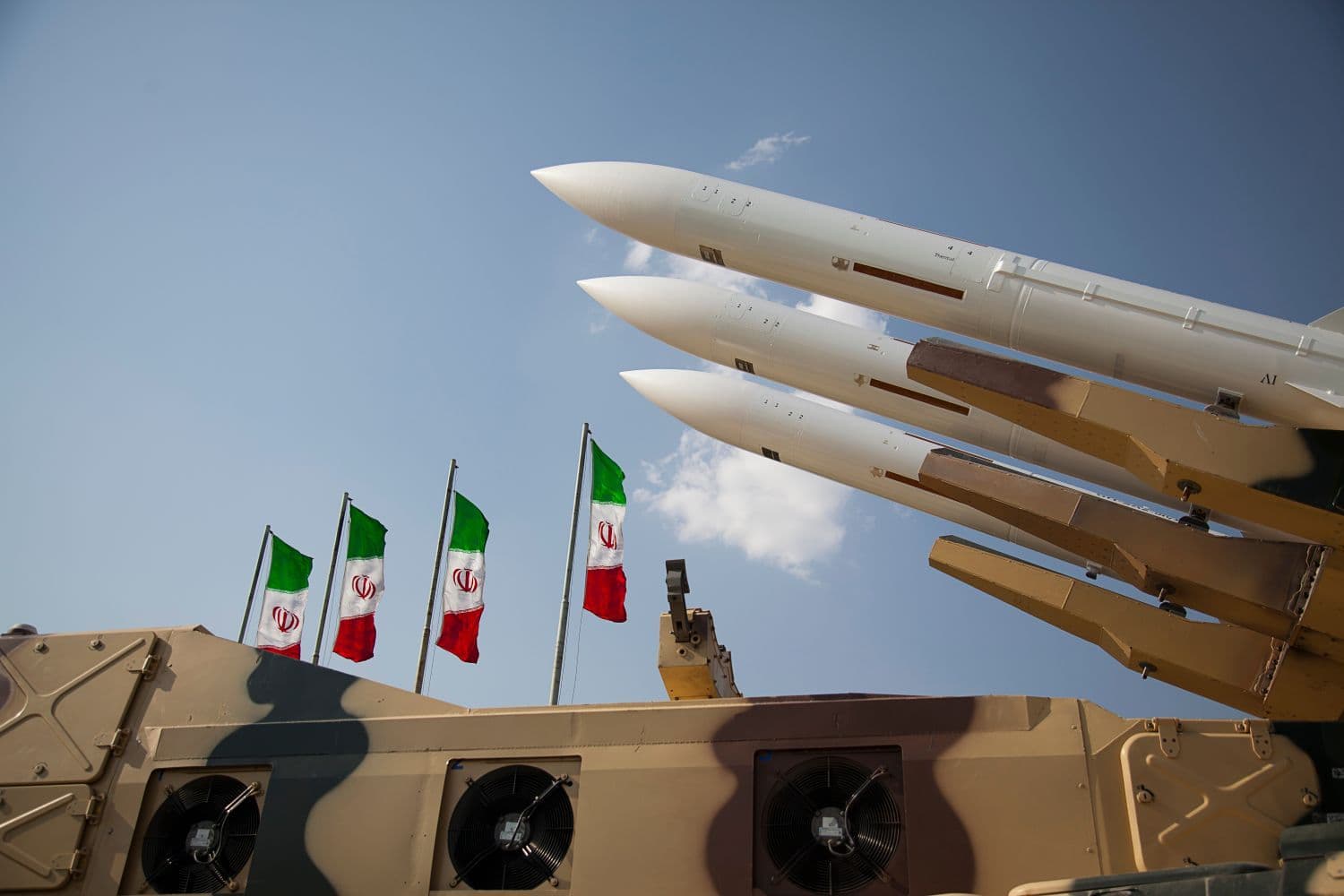
Iran has signaled a willingness to accept cryptocurrency as payment for the overseas sale of advanced weapons systems, highlighting how heavily sanctioned states are turning to digital assets to navigate restrictions imposed by Western governments.
According to documents and payment terms reviewed by the Financial Times, Iran’s Ministry of Defence Export Center, known as Mindex, has introduced options allowing foreign buyers to settle arms contracts using digital currencies, barter arrangements, or Iran’s local currency.
The policy appears to have been rolled out over the past year and applies to a range of strategic military equipment.
The move represents one of the clearest public indications to date that a nation state is prepared to use cryptocurrency in transactions involving sensitive military hardware.
Crypto Offered As Alternative To Traditional Payments
Mindex, a state-run body overseeing Iran’s defence exports, advertises relationships with more than 30 foreign customers and promotes a catalogue that includes ballistic missiles, armed drones, naval vessels and air defense systems.
Among the systems listed are long-range missiles, Shahed-series drones and warships designed for coastal operations.
The export centre’s website, available in several languages, also markets small arms, rockets and cruise missiles.
Western governments and United Nations reporting have previously linked some of these weapons to Iranian-backed militant groups operating in the Middle East.
The Financial Times verified the authenticity of the online platform through archived records, domain registration data and technical analysis.
The site is hosted on an Iranian domestic cloud provider that has been sanctioned by the U.S. Treasury, which has described the service as having ties to Iranian intelligence agencies.
Sanctions Risks Acknowledged But Dismissed
Mindex’s online portal includes a virtual assistant and guidance tools designed to walk prospective buyers through the procurement process.
A frequently asked questions section addresses concerns about international sanctions, stating that Iran’s long-standing experience in circumventing restrictions ensures contracts can be executed and deliveries completed.
Also Read: Bitcoin's Q4 Pattern Held For A Decade, Then 2025 Delivered A -23% Outlier
The export centre notes that weapons use conditions may apply, particularly in the event of armed conflict, but says such terms are subject to negotiation between the parties involved.
While prices are not publicly disclosed, Mindex indicates that payment can be arranged inside the destination country and that on-site inspections in Iran are possible, pending security approvals.
Part Of A Broader Sanctions-Evasion Trend
The use of cryptocurrency in arms-related trade reflects a broader pattern among countries facing extensive U.S. and European sanctions.
Washington has previously taken enforcement action against Russian entities accused of using digital assets to bypass financial controls, and U.S. officials have long alleged that Iran has relied on cryptocurrency to facilitate oil sales and move funds outside the traditional banking system.
In September, the U.S. Treasury sanctioned individuals it said were linked to Iran’s Revolutionary Guards for operating a covert financial network that used cryptocurrency to process state-related transactions.
The disclosures come as Western governments intensify pressure on Tehran over its nuclear programme.
In August, Britain, France and Germany initiated a United Nations mechanism aimed at restoring international sanctions after efforts to revive negotiations with the United States failed.
According to data from the Stockholm International Peace Research Institute, Iran ranked among the world’s top arms exporters in 2024, placing just outside the top tier.
Analysts at the Atlantic Council have previously noted that Iran could expand its role in global arms markets as Russia’s export capacity remains constrained by the war in Ukraine.
Read Next: Will Michael Saylor’s Strategy Go Bankrupt If Bitcoin Drops To $74,000?