
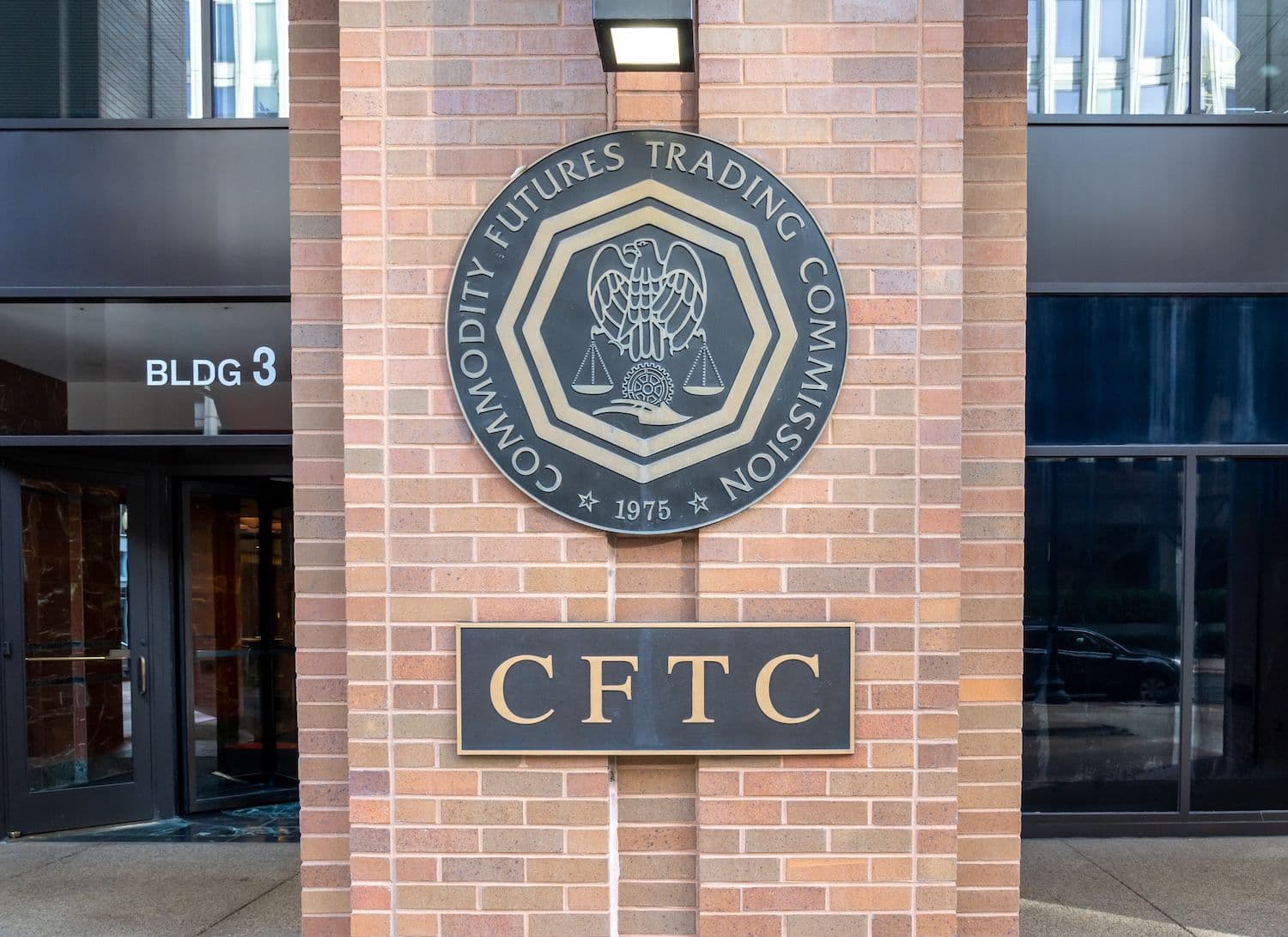
Commodity Futures Trading Commission Chair Michael Selig filed an amicus brief Tuesday in the Ninth Circuit Court of Appeals asserting federal authority over prediction market regulation.
The filing supports Crypto.com in its dispute with the Nevada Gaming Control Board as nearly 50 state-level cases challenge platforms including Kalshi, Polymarket, Robinhood and Coinbase.
Selig announced the move in a Wall Street Journal op-ed titled "States Encroach on Prediction Markets," writing that the CFTC "will no longer sit idly by" as states attempt to regulate event contracts under gambling statutes.
The agency's motion argues the Commodity Exchange Act grants exclusive federal jurisdiction over derivatives trading.
Federal vs. State Regulatory Conflict
The CFTC brief contends prediction markets qualify as swaps and derivatives rather than gambling under the Commodity Exchange Act. Selig emphasized that Congress granted the agency authority over commodity-based contracts following the 2008 financial crisis, with an "extraordinarily broad" definition covering nearly all commodities except onions and movie tickets.
State regulators have challenged this interpretation, with 34 state attorneys general joining an amicus brief opposing federal preemption. Multiple states have issued cease-and-desist letters and filed suits arguing prediction markets - particularly those tied to sports outcomes - violate state gambling laws.
Selig notably avoided mentioning sports in his op-ed, instead highlighting hedging examples like temperature changes affecting crops or energy price spikes.
The omission reflects the central legal tension: whether federally regulated event contracts preempt state gambling enforcement when tied to sports.
Read also: EToro Stock Surges 19% on Record Annual Profit as Equities Offset Crypto Volume Slump
Market Size and Industry Growth
Weekly combined prediction market volume is estimated between $4.3 billion and $5.3 billion in recent weeks, with peaks above $6 billion earlier in February 2026.
Global user counts have grown fourfold over the past two years to approximately 15 million, according to industry estimates Selig cited.
The jurisdictional dispute has drawn conflicting district court rulings across the country, with legal observers suggesting the issue may ultimately require Supreme Court resolution.
In his Tuesday video statement, Selig's message to jurisdictional challengers was direct: "We will see you in court."
Read next: Bitmine Accumulates 4.37M ETH At $2,000 Levels Despite $6B Unrealized Losses
