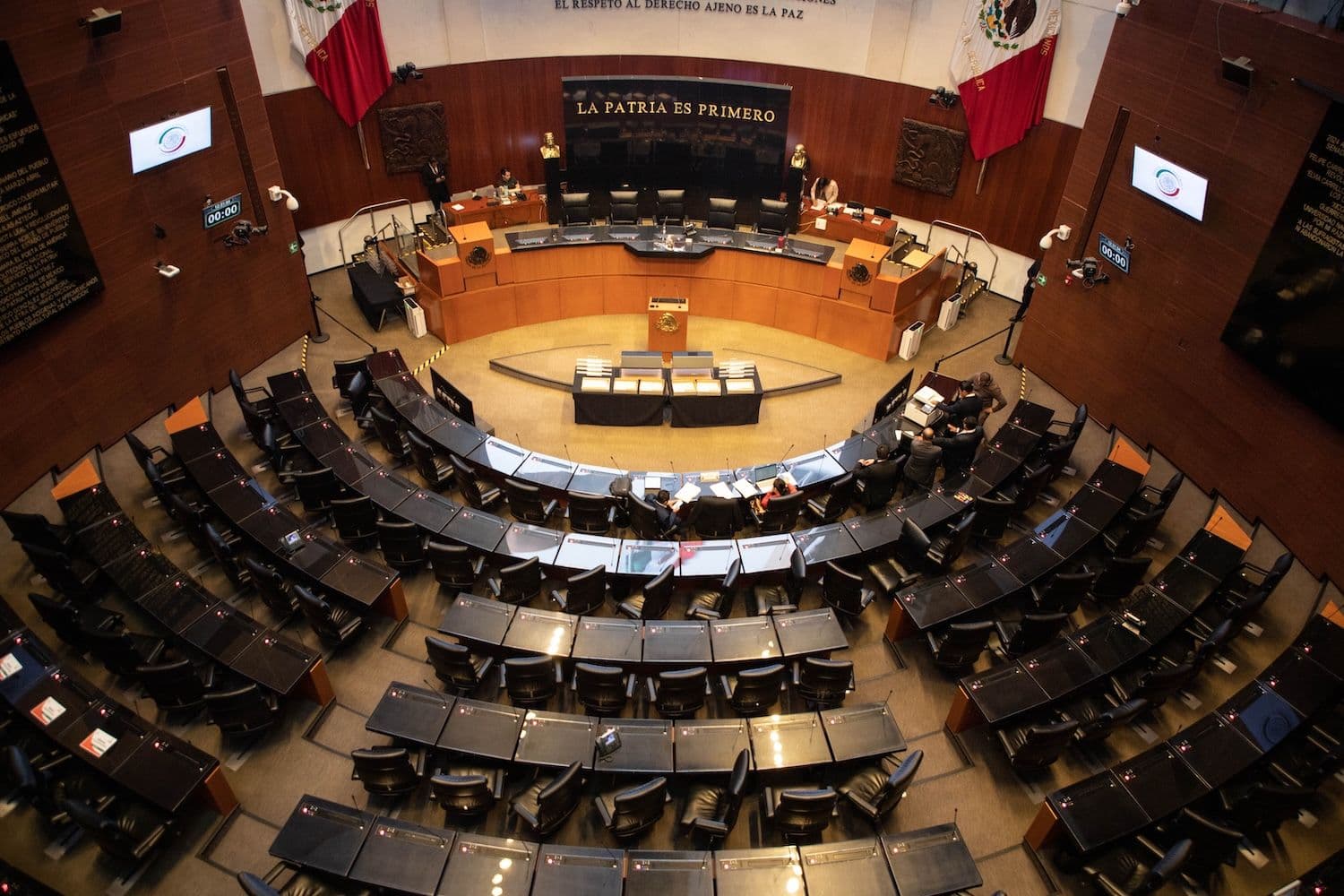
Prediction-market traders now view CLARITY Act passage in 2026 as unlikely after John Thune declined to start a Senate cloture process before the August recess.
Key Points:
- Kalshi-based reporting put the chance of enactment this year at 27% after Tuesday’s delay.
- The Senate has only days before its Aug. 10 to Sept. 11 state work period.
- Ethics rules, developer protections and the vote count remain unresolved.
CLARITY Act Delay
Thune, the Senate majority leader, did not file cloture on the motion to proceed Tuesday, leaving the crypto market structure bill outside the procedural sequence needed for a near-term vote. The Senate’s tentative calendar begins a state work period Aug. 10, limiting the remaining floor time.
Investor’s Business Daily reported Wednesday that Kalshi traders assigned a 27% chance to the bill becoming law in 2026, down from 82% earlier in the year.
Separate contracts cited in the initial report put implementation before Jul. 1, 2027, at 41%, before Oct. 1, 2027, at 58%, and before Jan. 1, 2028, at 65%. The market had recorded more than $5.42 million in volume.
A Wednesday cloture filing could still start the Senate clock, but rules require an intervening day before the first vote and allow up to 30 hours of debate after cloture.
Also Read: Chinese EV Maker Nio Posts 35,934 Deliveries In July And Wall Street Blinks
CLARITY Act Stakes
Journalist Eleanor Terrett said procedural work on the continuing resolution helped explain the delay, while uncertainty over support and unresolved provisions likely affected Thune’s decision. Negotiations have centered on ethics restrictions and the Blockchain Regulatory Certainty Act, which addresses when software developers should face financial regulation.
Matt Hougan, chief investment officer at Bitwise, has argued that crypto can continue advancing even without immediate passage, citing regulatory changes and institutional adoption.
That view does not make the delay irrelevant. The bill would define federal oversight of digital assets, including rules for exchanges, decentralized finance, tokenized securities and stablecoin rewards.
The House passed its version 294-134 in Jul. 2025, and the Senate Banking Committee approved a related measure 15-9 on May. 14, 2026. The legislation still needs a 60-vote Senate threshold, reconciliation with the House and presidential approval, making lost floor time especially costly before the midterm campaign intensifies.
Read Next: Europe's MiCA Register Hits 321 As Banks Outpace Crypto Exchanges