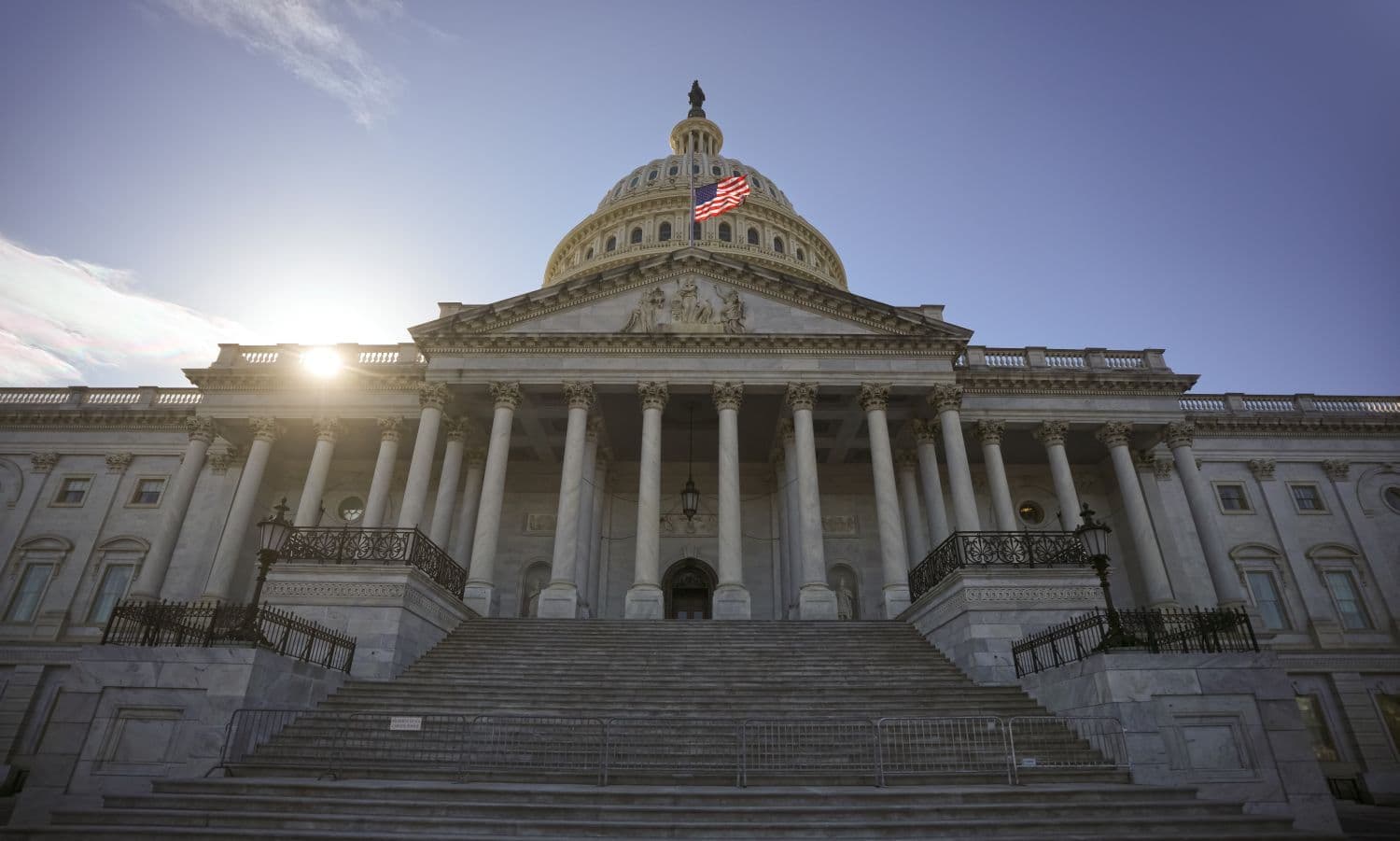
The U.S. Senate delayed a procedural vote on the Clarity Act until September, narrowing the window for a major crypto market structure bill before November elections.
Key Points:
- The Senate moved the Clarity Act vote to September after failing to resolve disputes before recess.
- Supporters still need 60 votes to advance the bill, requiring Democratic backing while Republican support has also weakened.
- September may be the final practical window before the November midterm elections dominate congressional attention.
Clarity Act Delay
Senate Majority Leader John Thune, R-S.D., confirmed the delay late Aug. 6, saying lawmakers will take up the procedural vote after returning from the monthlong recess. “We’re getting that queued up first thing when we come back,” Thune said.
The Senate leaves Washington on Friday and is expected back in mid-September, giving supporters only several weeks before attention shifts toward the November midterm elections.
The timetable is tight. A source familiar with the negotiations said Senate Democrats were reluctant to vote before the elections because of the political implications and the crypto industry’s growing influence.
The delay gives sponsors additional time to seek the 60 votes required to advance the bill, which means Democratic support remains necessary as Republican backing has also shown signs of wavering. If the Senate passes the measure, it must return to the House before reaching President Donald Trump.
Also Read: Bitcoin ETFs Absorb $626M And Open August With Renewed Demand
Clarity Act Hurdles
Cody Carbone, CEO of The Digital Chamber, said the outcome was not what supporters wanted but argued that negotiations can continue during the recess. He said the group will keep searching for enough common ground to set up a successful September vote.
Ji Hun Kim, CEO of the Crypto Council for Innovation, called the delay disappointing but said the organization would continue working with senators from both parties and the administration. Those efforts matter because unresolved disputes still cover stablecoin rewards, political ethics and the tools available to authorities combating illicit finance.
Over the past year, the Clarity Act has repeatedly stalled over how to regulate stablecoin rewards and whether regulators would have enough tools to police illicit finance. Ethics concerns have also complicated the negotiations. The latest proposal under discussion would restrict public officials and their spouses from issuing or sponsoring digital assets and could require Trump to divest from crypto-related businesses.
Read Next: OpenAI Agents Traded Exploits For Two Months Before Hugging Face Breach