
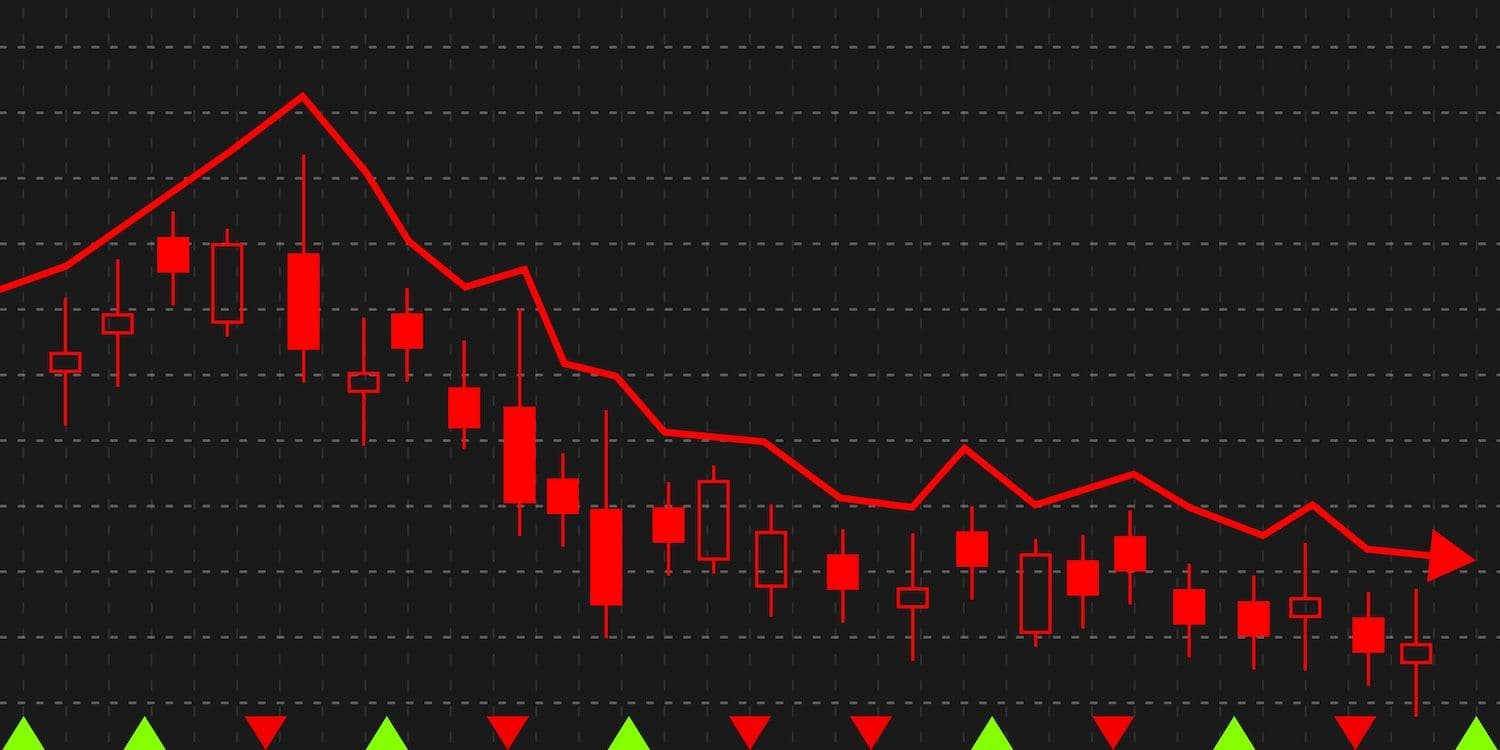
Bitcoin plunged below $86,000 on Monday as cryptocurrency markets shed $140 billion in total capitalization within hours, driven primarily by delays in key U.S. regulatory legislation. The sell-off pushed total digital asset market capitalization to a three-week low of $3.02 trillion.
What Happened: Legislative Setback
A U.S. Senate Banking Committee spokesperson confirmed Monday that planned crypto market structure legislation will not advance this year, pushing the bipartisan bill into early 2026.
"The Committee is continuing to negotiate and looks forward to a markup in early 2026," the spokesperson stated.
The proposed legislation would grant the Commodity Futures Trading Commission authority over spot cryptocurrency markets, a development the industry had anticipated before year-end.
Bitcoin dropped from $90,000 to $85,200 during Monday's late trading session, marking its lowest level since a Dec. 2 leverage liquidation event. The asset traded near $86,000 during Tuesday's Asian session.
Also Read: UK Regulator Sets February Deadline For Industry Input On Digital Asset Framework
Why It Matters: Market Stress
James Check, a cryptocurrency analyst, noted that "Bitcoin market stress is now the highest we've seen since the 2022 bear." He cited $100 billion in unrealized losses, declining hash rates, 60% of exchange-traded fund inflows trading underwater, and treasury stocks below net asset values.
Analyst Sykodelic attributed the decline to derivatives market dynamics, specifically elevated open interest levels.
"Basically, it is becoming extremely accepted to be bearish with everyone really feeling the pinch of the downtrending market," Sykodelic said. "Its creating the environment where traders are chasing every drop with shorts, and short liquidity building up over and over."
At press time, $2 billion in open interest sits at the $85,000 strike price.
Short sellers typically hedge by selling spot or futures contracts as prices approach their strike levels, amplifying downward momentum.
Read Next: Bitcoin Could Reach $600,000 In 2026 If Fed Policy Shifts, Analyst Projects
